
Propagation
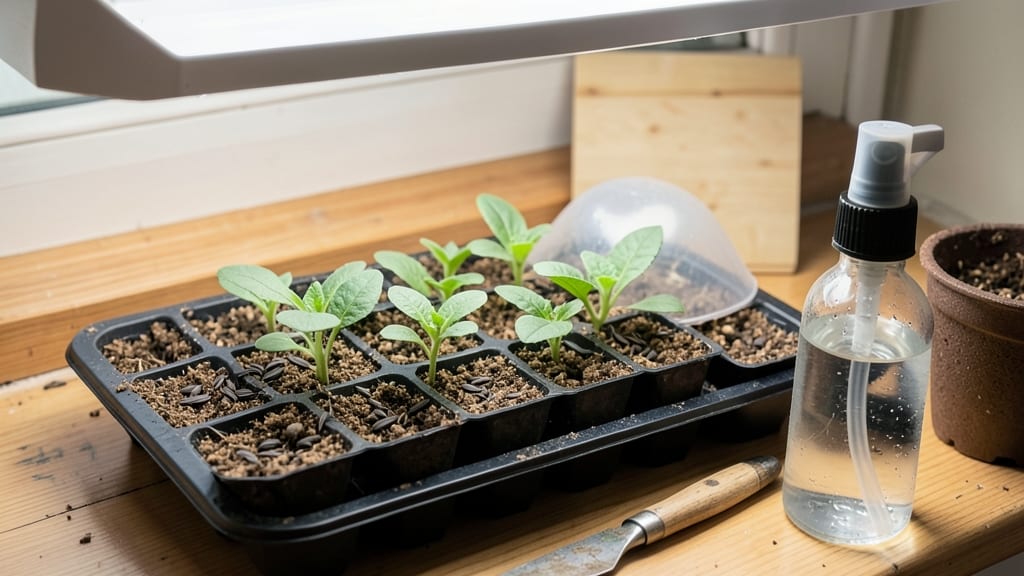
Growing zinnias from seed indoors means bold blooms in just 6-8 weeks—if you nail the germination tricks. 🌱 I learned the hard way that zinnias need warmth, light, and patience to break through soil, and skipping any step means weak seedlings that struggle outdoors.
The payoff? Vibrant, long-stemmed flowers that outshine store-bought bouquets by summer.
Start with quick-draining seed-starting mix (never garden soil) in small pots or a seed tray, and keep the soil warm—zinnias germinate best at 70-75°F. A heating mat helps, but a sunny windowsill works too if you're patient.
Plant seeds ¼-inch deep, just like the packet says, and mist the soil lightly to keep it damp but never soggy. The first sprouts appear in 5-10 days—faster with warmth and light.
Once seedlings pop up, move them to a bright spot (grow lights if natural light is weak) and thin to 2 inches apart to avoid crowding. Zinnias hate being root-bound, so handle them gently when transplanting.
By the time they’re 3-4 inches tall, they’ll be ready to harden off and head outside—just don’t rush it, or you’ll shock those tender stems.
Here’s the secret: zinnias thrive on neglect once established, but they hate damp soil or cold drafts. Let the top inch dry between waterings, and pinch back leggy stems to encourage bushier growth.
With these tricks, you’ll skip the nursery section entirely and grow showstopping zinnias that neighbors will beg for cuttings from.
📚 In This Guide
- What you need
- Instructions
- Tips and common mistakes
- Wrapping up and next steps
What you need
- ● Zinnia seeds: Choose heirloom or hybrid varieties (e.g., 'Benary’s Giant,' 'Profusion'). Aim for 2–3 seeds per cell in seed trays or 1 seed every 1–2 inches in soil blocks.
- ● Seed-starting trays or pots: Cell trays with 3–4 inch deep cells (for 12+ cells) or
- ● Small biodegradable pots (2–3 inches in diameter) for transplant-friendly options.
- ● Seed-starting mix: A sterile, lightweight mix (e.g., Pro-Mix BX or Black Gold Seedling Mix)—avoid garden soil to prevent damping-off.
- ● Containers for watering: A spray bottle (for gentle moisture) or a small watering can with a fine rose.
- ● Grow lights or sunny windowsill: Grow lights: LED or fluorescent (e.g., Spectrum 90034) with 12–16 hours of light/day, positioned 2–4 inches above seedlings.
- ● South-facing window: If natural light is your only option, ensure 6+ hours of direct sunlight daily.
- ○ Plastic wrap or humidity dome: Keeps moisture locked in during germination (optional but highly recommended).
- ○ Heating mat (optional but helpful): A seedling heat mat (e.g., Growers Solution) set to 70–75°F speeds up germination.
- ● Fertilizer: A balanced, water-soluble fertilizer (e.g., Jack’s Classic at ½-strength) for post-germination feeding.
- ● pH test kit: Ensures your mix is 6.0–7.0 (zinnias prefer slightly acidic to neutral soil).
- ● Labels & markers: Track varieties and planting dates—zinnias grow fast!
- ● Fan (small oscillating): Placed on low for 1–2 hours/day to toughen seedlings and prevent damping-off.
- ● Thermometer/hygrometer: Monitors temperature (70–75°F) and humidity (40–60%) for optimal conditions.
Step-by-step instructions for growing zinnias from seed indoors
Here's how to coax those vibrant zinnias from seed indoors—fast and without the usual germination delays.
🌱 Step 1: Prep Seeds and Containers for Fast Germination
Zinnia seeds germinate best when prepped properly. Soak them in warm water for 12 hours before planting—this softens the outer shell and speeds up sprouting. While they soak, fill 4-inch pots with a lightweight seed-starting mix (never garden soil, which compacts too much). Moisten the mix until it feels like a damp sponge when squeezed.
Press the soil down gently to remove air pockets but avoid compacting it. You want the surface firm enough to hold seeds in place but loose enough for roots to push through easily. I like to tap the pots on the counter once or twice to settle everything evenly. This ensures the seeds make immediate contact with moist soil when you plant them.
💧 Step 2: Plant Seeds at the Right Depth and Cover Strategically
Zinnia seeds are tiny but don't bury them too deep. Plant them ¼ inch below the soil surface—any deeper and they'll struggle to reach light. Use a toothpick to poke small holes in the soil, then place 1-2 seeds per pot (you can thin later). Cover lightly with a fine sprinkle of additional mix—just enough to hide the seeds but not smother them.
Mist the surface with a spray bottle until the soil looks uniformly damp. Avoid heavy watering, which can wash seeds deeper or create crusty soil that blocks germination. I like to set the pots in a shallow tray of water for 10 minutes to ensure even moisture without disturbing the seeds. This step is critical for fast germination.
☀️ Step 3: Provide Warmth and Humidity for Rapid Sprouting
Zinnias germinate fastest at 70-75°F, so place your pots on a seedling heat mat or in a warm spot like on top of the fridge. Cover the pots with a clear plastic dome or wrap them in plastic wrap to trap humidity. Check daily for condensation—this tells you the environment is just right for sprouting.
Keep the soil consistently moist but never soggy. You'll see the first sprouts in 5-7 days if conditions are ideal. That's when the real fun begins—watch for the first true leaves (not the initial cotyledons) to appear. Once 50% of seeds have sprouted, remove the cover immediately to prevent damping-off, a fungal disease that can wipe out seedlings overnight.
🌿 Step 4: Move to Bright Light and Encourage Strong Growth
As soon as you see sprouts, place the pots under grow lights or in the brightest window you have. Zinnias need 14-16 hours of light daily to grow strong and compact. If you're using a grow light, position it 2-3 inches above the seedlings and raise it as they grow to maintain that distance.
Leggy seedlings (thin, stretched stems) mean your light isn't intense enough. You'll notice this when leaves are spaced far apart and stems bend toward the light. Rotate the pots a quarter turn daily so plants grow evenly. Once seedlings have 2 sets of true leaves, thin to the strongest one per pot. Use clean scissors to snip the weaker stems at soil level—this prevents disturbing the roots of the remaining plant.
⏰ Step 5: Harden Off and Transplant for Bold Blooms
Two weeks before your last frost date, start hardening off your zinnias. Place them outside in a sheltered, shaded spot for 1-2 hours the first day, then gradually increase their time outdoors by 1 hour daily. This prepares them for the garden's conditions without shock. By the end of the week, they should tolerate a full day outside.
Transplant on an overcast afternoon to reduce stress. Dig a hole slightly larger than the pot, place the seedling in, and firm soil around the base. Water deeply at the base to settle the roots. Zinnias thrive in full sun and well-draining soil. Once planted, they'll reward you with bold blooms in as little as 60 days—that's the payoff for fast germination!
Tips & tricks for perfect indoor zinnia germination
Speeding up zinnia germination indoors isn't just about following steps—it's about creating the perfect conditions from day one. Here's how to maximize your chances of those first sprouts appearing in record time.
Soaking Strategy: The 12-hour soak in warm water is your secret weapon, but don't skip the final rinse! After soaking, drain the seeds and rinse them gently with cool water to remove any residual soap or debris that could inhibit germination. I've found this extra step cuts down sprouting time by nearly 24 hours—especially important when you're eager to see those first green shoots.
Container Selection: While 4-inch pots work perfectly, you can also use seedling trays or even repurposed egg cartons for the initial planting. Just make sure whatever you choose has drainage holes—waterlogged seeds won't sprout. The key is maintaining that perfect balance of moisture without creating anaerobic conditions that suffocate roots.
Light Positioning: When moving seedlings to bright light in Step 4, don't just place them anywhere—rotate your pots a quarter turn daily. This prevents seedlings from leaning toward one light source, creating lopsided growth. I've seen zinnias grow so dramatically toward a single window they become unbalanced. The daily rotation keeps them compact and sturdy, setting them up for those bold blooms you're after.
Harden Off Gradually: The 1-2 hour outdoor exposure in Step 5 might seem short, but it's crucial to start slow. I've learned the hard way that rushing this process can shock seedlings, causing them to wilt or even die. Gradually increase their outdoor time by just 1 hour daily—this mimics natural conditions and prepares them for transplanting like a pro.
Pro Tips for Growing Zinnias From Seed Indoors
- Speeding up zinnia germination indoors isn't just about following steps—it's about creating the perfect conditions from day one.
- Soaking Strategy: The 12-hour soak in warm water is your secret weapon, but don't skip the final rinse!
- Container Selection: While 4-inch pots work perfectly, you can also use seedling trays or even repurposed egg cartons for the initial planting.
Frequently asked questions
Got questions about growing zinnias from seed indoors? You’re not alone! Here are answers to the most common concerns—so you can skip the guesswork and dive right into those vibrant blooms.
How long does it take for zinnia seeds to germinate indoors?
Zinnia seeds typically sprout in 7–14 days indoors, depending on warmth and moisture. Keep soil consistently moist (not soggy) and maintain temperatures between 70–75°F (21–24°C). For faster results, use a heat mat—germination can happen in just 5–7 days!
Do zinnias need light to germinate, or can I keep them in the dark?
Zinnia seeds don’t need light to germinate—keep them in darkness until you see sprouts (usually 3–5 days). Once they emerge, move them to a bright, indirect light source (like a grow light) to prevent leggy seedlings. A sunny windowsill works too, but rotate trays daily for even growth.
Why aren’t my zinnia seeds sprouting? Troubleshooting tips.
If your seeds aren’t germinating, check these fixes:
Temperature too low? Zinnias need warmth—try a heat mat or move pots to a warmer spot (like near a fridge or heater).
Soil too dry or compacted? Gently moisten soil with a spray bottle and avoid pressing seeds too deep (max ¼ inch).
Old or low-quality seeds? Test viability by soaking seeds in water—if they sink, they’re likely good. Store seeds in a cool, dry place for future use.
Fungal issues? Overwatering causes mold. Use sterile potting mix and ensure pots have drainage holes.
Still stuck? Try a fresh batch of seeds—some varieties (like ‘Benary’s Giant’) germinate more reliably than others.Can I grow zinnias indoors year-round, or do they need outdoor time?
Zinnias love sunlight and thrive outdoors once they’re 3–4 inches tall with 2–3 true leaves. However, you can grow them indoors year-round with:
- A south-facing window or grow lights (14–16 hours/day).
- Pruning to encourage bushiness (pinch back stems when they’re 6 inches tall).
- Thinning seedlings to 2–3 inches apart to prevent crowding.
What’s the best indoor container size for zinnia seedlings?
Start with small cells or biodegradable pots (2–3 inches deep) to prevent overwatering. Once seedlings have 2 sets of leaves, transplant them to 3–4 inch pots or a shared tray with 12+ inches of depth for root growth. Avoid overcrowding—zinnias need space to avoid leggy, weak stems. Pro tip: Use self-watering trays to keep moisture consistent without drowning roots!
Wrapping up and next steps
Growing zinnias from seed indoors is a rewarding journey that brings vibrant blooms into your life—and you’ve got all the tools to succeed! 🌱 With the right warmth, light, and patience, those tiny seeds can transform into stunning flowers that brighten any space.
Now that you’re armed with fast germination tricks and troubleshooting tips, it’s time to roll up your sleeves and start planting!
Your next step? Pick a sunny spot (or set up those grow lights!) and let those zinnias thrive. Happy growing—your garden (and pollinators!) will thank you! 🌸