
Propagation
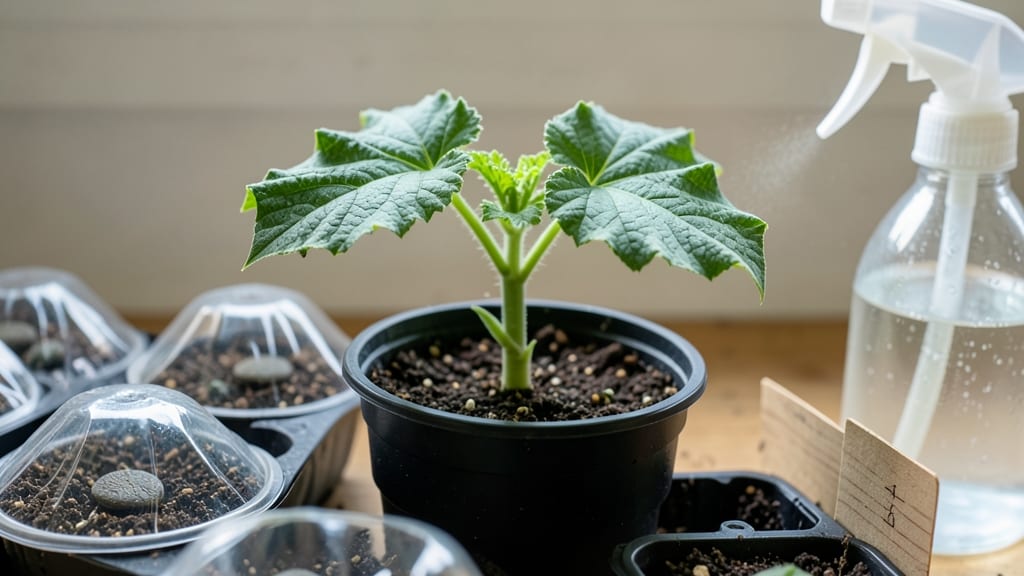
Growing zucchini from seed indoors delivers fast germination—those first green shoots appear in just 3-5 days with the right setup. 🌱 I’ve started dozens of zucchini plants this way, and the secret isn’t fancy equipment but matching light, warmth, and moisture to what zucchini seeds crave.
Most beginners overwater or skimp on light, but once you nail those two things, success is almost guaranteed.
You’ll need 3-4 inch deep containers, a grow light (or sunny windowsill), and a mix of 50% potting soil and 50% perlite to prevent damping off. Plant seeds 1 inch deep, two per container, and keep the soil warm—70-80°F speeds up germination.
A seedling heat mat helps if your home runs cooler. Water gently from below to avoid washing seeds away, and keep the soil damp but never soggy.
Within 10-14 days, you’ll have sturdy seedlings ready for transplanting. The key is strong stems and true leaves—not leggy, stretched-out plants. If yours get too tall before moving outside, bury them deeper at transplant time (they’ll root along the buried stem).
By late spring, you’ll be harvesting zucchini weeks earlier than neighbors who bought transplants.
This method works for any zucchini variety—from bush types to vining varieties—and adapts to small spaces. Just adjust your grow light height as seedlings grow. Here’s how to avoid the most common pitfalls and get those plants thriving.
📚 In This Guide
- What you need
- Instructions
- Tips and common mistakes
- Wrapping up and next steps
What you need
- ● Zucchini seeds: 3–5 seeds (choose heirloom or hybrid varieties like 'Black Beauty' or 'Eight Ball' for reliable results).
- ● Seed-starting containers: 4–6 small pots (3–4 inches deep) or
- ● A seed tray with individual cells (2–3 inches deep).
- ● Seed-starting mix: 1–2 bags (sterile, lightweight mix designed for seedlings—avoid garden soil!).
- ● Grow lights: 1 full-spectrum LED or fluorescent bulb (12–16 inches above seedlings, 12–16 hours/day).
- ● Spray bottle: 1 (for gentle watering).
- ○ Heat mat (optional but helpful): 1 (70–75°F range to speed up germination).
- ● Humidity dome or plastic wrap: 1 (to retain moisture while seeds germinate).
- ● Fertilizer: A balanced, water-soluble fertilizer (5-5-5 or 10-10-10, diluted to half-strength).
- ● pH testing kit: To check soil acidity (ideal range: 6.0–6.8 for zucchini).
- ● Thermometer: To monitor soil temperature (seeds germinate best at 70–90°F).
- ● Self-watering trays: For consistent moisture without overwatering.
- ● Grow light timer: To automate lighting cycles (12–16 hours/day).
- ● Organic compost: To mix into soil for extra nutrients once seedlings sprout.
Step-by-Step instructions for growing zucchini from seed indoors
Here's how to jumpstart your zucchini with speed and precision—no waiting for spring.
🌱 Step 1: Prepare Containers and Seed Starting Mix
Use 4-inch deep pots or a seed-starting tray with cells at least 2 inches deep—zucchini roots need room to spread. I like biodegradable pots because they eliminate transplant shock later. Fill each container with sterile seed-starting mix (never garden soil—it's too dense and may harbor diseases). Moisten the mix until it's damp like a wrung-out sponge, but not dripping.
Press the soil down gently so it's firm but not compacted. Tap the container on the table once to settle everything evenly. The goal is a fine, crumbly texture that holds moisture without clumping. I always label my pots with the variety and date—zucchini varieties germinate at different speeds, and you'll want to track which ones are fastest.
🌱 Step 2: Sow Seeds at the Right Depth for Fast Germination
Plant 2-3 seeds per pot at a depth of about 1 inch deep—this is critical for zucchini. Sowing too shallow can dry out the seeds before they sprout, while planting too deep forces seedlings to struggle upward, wasting energy. Use your finger to make a small hole, drop in the seeds, and cover lightly with additional mix.
Mist the surface gently with a spray bottle until the soil looks evenly moist. Avoid heavy watering, which can dislodge seeds or create pockets of air around them. I like to tap the tray gently after watering to ensure seeds make full contact with the soil. Place the tray in a warm spot—zucchini seeds germinate fastest at 75-85°F, so a seedling heat mat helps if your home runs cooler.
💧 Step 3: Provide Warmth and Moisture for Speedy Sprouting
Cover the tray with a clear plastic dome or plastic wrap to retain warmth and humidity. Check daily but resist the urge to water—condensation inside the dome keeps moisture levels perfect. You'll see the first sprouts in 3-7 days (faster with warmth), and they'll emerge quickly once they start. The moment 50% of seeds have sprouted, remove the dome immediately—trapped moisture encourages damping-off, a fungal disease that collapses seedlings overnight.
Keep the soil consistently moist but never soggy. Stick your finger in the mix—it should feel damp 1 inch deep but not wet. Zucchini seedlings are sensitive to overwatering, so I water only when the top inch feels dry to the touch. A spray bottle works best to avoid disturbing the delicate stems.
☀️ Step 4: Move to Bright Light Immediately After Germination
The instant those first true leaves appear (not the initial seed leaves), move seedlings under grow lights for 14-16 hours daily. Zucchini grow fast but need intense light to avoid becoming leggy and weak. Position a full-spectrum LED grow light 2-4 inches above the plants—closer for seedlings, farther as they grow. You'll see strong, compact growth when leaves are dark green and spaced closely together.
Rotate the tray a quarter turn daily so plants grow straight instead of bending toward the light. Without enough light, seedlings stretch desperately, developing thin stems and pale leaves. If you notice stems growing longer than 4 inches or leaves spaced more than 1 inch apart, your light isn't strong enough—move it closer or add another bulb.
⏰ Step 5: Harden Off and Transplant Before Bolting
Two weeks before your last frost date, start hardening off seedlings by placing them outside in a sheltered spot for 1-2 hours the first day. Gradually increase outdoor time by 1 hour daily over 10-14 days, slowly introducing more sun and wind. Zucchini plants mature quickly, so don't delay transplanting—they bolt (flower prematurely) if left indoors too long.
Transplant on an overcast afternoon to reduce shock. Dig a hole the same depth as the root ball, place the seedling in, and water deeply at the base. Space plants 2-3 feet apart in the garden—zucchini vines spread widely. Mulch around the base to retain moisture and prevent weeds. You'll see rapid growth once they're in the ground, with some varieties producing flowers in as little as 4-6 weeks.
Tips & tricks for fast zucchini germination indoors
Speeding up your zucchini's growth starts with these game-changing details that turn good results into great ones.
Container Wisdom: In Step 1, those 4-inch deep pots aren't just about depth—they're about drainage too. I always poke a small drainage hole in the bottom of each pot before adding soil, even if they're labeled as "drainage-friendly." This prevents waterlogging, which can cause root rot before your seedlings even emerge. For trays, use cells with drainage holes or place the entire tray on a saucer to catch excess water.
Seed Depth Secret: That 1-inch planting depth in Step 2 is your sweet spot—any shallower and seeds dry out before germinating, any deeper and they'll waste energy pushing upward. I use a pencil to make a consistent hole depth across all pots. For extra insurance, I place a tiny pinch of sterile mix over each seed after planting to ensure full soil contact without burying them.
Germination Temperature Hack: The 75-85°F range in Step 2 is perfect, but here's what nobody tells you: place your seed tray on top of your refrigerator (not inside!) for consistent warmth without the risk of overheating. If your home runs cooler than 70°F, a seedling heat mat set to low will give you that critical boost to cut germination time from 7 to just 3-4 days. Monitor with your hand—if the soil feels warmer than 85°F, reduce the heat immediately.
Light Transition Strategy: When moving seedlings to grow lights in Step 4, don't just flip the switch—ease them into it. On day one, give them just 2-3 hours under light, then gradually increase to the full 14-16 hours over 3-4 days. This prevents shock and helps them adjust to the artificial light spectrum. I also keep a small fan blowing gently on them (not directly) to simulate wind and strengthen stems from day one.
Pro Tips for Growing Zucchini From Seed Indoors
- Speeding up your zucchini's growth starts with these game-changing details that turn good results into great ones.
- Container Wisdom: In Step 1, those 4-inch deep pots aren't just about depth—they're about drainage too.
- Seed Depth Secret: That 1-inch planting depth in Step 2 is your sweet spot—any shallower and seeds dry out before germinating, any deeper and they'll waste energy pushing upward.
Frequently asked questions
How long does it take for zucchini seeds to germinate indoors?
Zucchini seeds typically germinate in 5–10 days indoors with consistent warmth (70–90°F) and moisture. Using a seedling heat mat can speed this up to 3–5 days. Keep soil damp but not soggy—overwatering can delay sprouting. Patience is key!
When should I transplant zucchini seedlings outdoors?
Wait until after the last frost and when nighttime temps stay above 55°F (13°C). Seedlings need 2–3 weeks of indoor hardening (acclimating to outdoor conditions) before transplanting. Use grow lights to strengthen stems—weak seedlings struggle in direct sun.
Can I grow zucchini indoors year-round without a greenhouse?
Yes, but it’s tricky! Zucchini needs 6–8 hours of sunlight daily and plenty of space (2–3 feet tall). Use full-spectrum grow lights on a 14-hour cycle and a large container (5+ gallons). Expect smaller yields than outdoors, but it’s doable with patience and care!
What should I do if my zucchini seedlings look leggy or weak?
Leggy seedlings mean too little light. Move them closer to grow lights (2–4 inches away) and adjust the timer to 14–16 hours/day. Rotate pots daily for even growth. If soil is dry, water gently—overwatering stresses seedlings. A balanced fertilizer (like 5-5-5) can help too!
Are there faster-growing zucchini varieties for indoor starts?
Look for bush-type varieties like ‘Eight Ball’ or ‘Patio Star’—they mature 45–55 days and stay compact. Avoid vining types (like ‘Black Beauty’) unless you have vertical space. Check seed packets for “early harvest” labels for quicker results!
Wrapping up and next steps
Growing zucchini from seed indoors is a rewarding journey that starts with patience, the right tools, and a dash of sunlight—or grow lights! 🌱 With these steps, you’ll soon be enjoying fresh, homegrown zucchini straight from your windowsill or indoor garden.
The key is consistency: keep those seeds cozy, monitor moisture, and watch as tiny sprouts transform into thriving plants.
Now that you’re armed with the know-how, why not take the next step? Once your seedlings are strong enough, transplant them outdoors (or keep them indoors if you’re in a cooler climate) and let them flourish. Happy growing—your future harvest is waiting! 🎉