
Vegetables
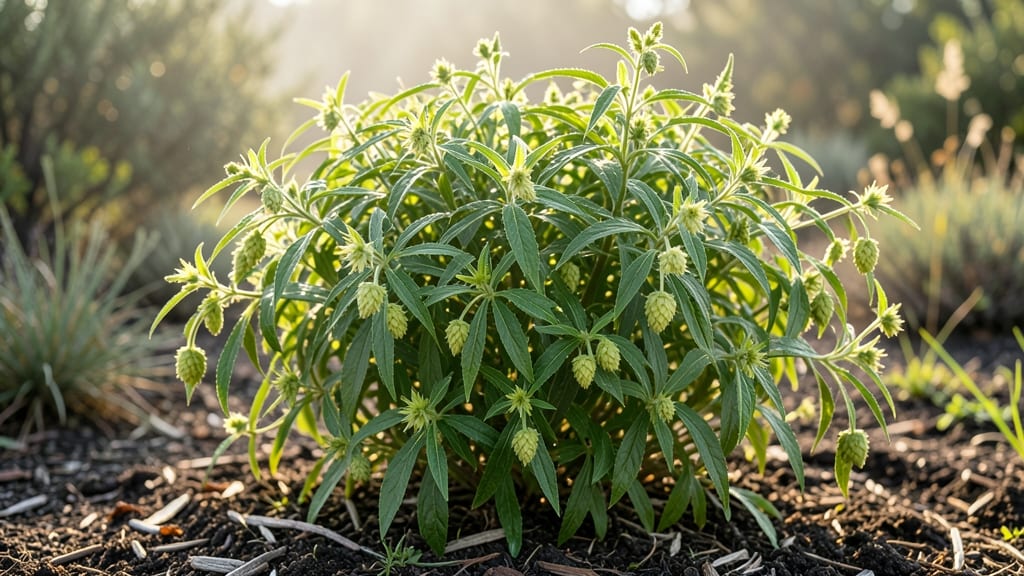
Growing the green hopseed bush in Arizona means finally having a drought-tolerant perennial that thrives where most plants struggle. 🌵 This native wonder handles our intense sun and dry spells like a pro, producing edible seed pods and glossy foliage year after year—no fuss, no drama.
The secret lies in its desert roots: it craves well-draining soil and minimal watering once established, making it perfect for low-maintenance landscapes. Unlike finicky imports, this bush actually wants our heat, rewarding you with fast growth and minimal pest issues compared to other perennials.
By late spring, you’ll see clusters of edible seed pods that taste like licorice—great for teas or snacks—and the bird-friendly flowers attract pollinators all season. The only real challenge? Avoid overwatering in its first year, or it’ll flop like a sad cactus.
Works in full sun to partial shade, pairs beautifully with native agave or yucca, and even handles our occasional cold snaps better than most. Let’s get yours planted before the monsoons hit!
📚 In This Guide
- What you need
- Instructions
- Tips and common mistakes
- Wrapping up and next steps
What you need
- ● Seeds or Nursery Plants: 3–5 Dodonaea viscosa seeds (or 1–2 young plants for faster growth). Opt for organic, non-GMO seeds if possible.
- ● Well-Draining Soil: 5–10 gallons of a mix of: 60% cactus/succulent soil
- ● 30% perlite or pumice
- ● 10% compost (for nutrients)
- ● Containers (if not planting in-ground): 2–3 large pots (12–18 inches deep) with drainage holes.
- ● Watering Can or Hose: With a gentle spray nozzle for hydration.
- ● Sunlight Access: A south-facing spot with 6+ hours of direct sunlight daily (Arizona’s full sun is ideal!).
- ● Fertilizer: 1 cup of balanced organic fertilizer (10-10-10) or a slow-release granular formula.
- ● Gloves & Pruning Shears: For handling thorny branches and shaping the bush.
- ● Mulch: 2–3 inches of gravel or coarse mulch to retain moisture and deter weeds.
- ● pH Test Kit: To ensure soil pH is between 6.0–7.5 (slightly acidic to neutral).
- ○ Drip Irrigation System (Optional): For automated, efficient watering in larger gardens.
- ● Shade Cloth: Lightweight fabric (30–50% shade) for seedlings during Arizona’s intense summer heat.
Step-by-step instructions for planting and cultivating green hopseed bush in Arizona
Here’s how to establish these drought-tolerant perennials for lush, low-maintenance growth in Arizona’s climate.
🌱 Step 1: Choose the Perfect Planting Spot
Select a location with full sun exposure—at least 6-8 hours of direct sunlight daily—since hopseed bush thrives in warmth but needs protection from intense afternoon heat. In Arizona’s desert conditions, a spot with partial afternoon shade (like near a west-facing wall) prevents leaf scorch while still allowing enough light for robust growth.
Check soil drainage before planting. Hopseed bush despises soggy roots, so avoid low-lying areas where water pools. If your soil drains poorly, amend it with 3-4 inches of coarse sand or gravel mixed into the top 12 inches of soil. The goal is loose, well-aerated earth that mimics the native desert environment.
🪴 Step 2: Plant at the Right Depth and Spacing
Dig a hole twice as wide as the root ball but only as deep as the container’s base. This prevents burying the stem too deeply, which can suffocate the plant. Gently loosen the roots if they’re tightly bound, then place the hopseed bush in the hole so the top of the root ball sits level with the surrounding soil. Fill the hole with native soil, pressing lightly to eliminate air pockets.
Space plants 4-6 feet apart to allow for mature growth. In Arizona’s dry climate, this spacing ensures airflow reduces fungal risks while giving each bush room to develop its signature rounded shape. Water deeply after planting to settle the soil and encourage root establishment.
💧 Step 3: Water Deeply but Infrequently
For the first 2-3 weeks, water every 2-3 days to help roots establish, but avoid wetting the leaves to prevent disease. Once established, hopseed bush is drought-tolerant—water once every 10-14 days during dry spells, providing 1-2 gallons per plant each time. The key is deep watering: let the soil dry out completely between sessions to encourage strong root development.
In Arizona’s heat, you’ll notice the plant’s thick, waxy leaves as a sign it’s conserving moisture well. If leaves start curling or yellowing, it’s a sign of either overwatering (soft, mushy leaves) or underwatering (brittle, crispy edges). Adjust your schedule accordingly—this bush is resilient but not drought-proof.
☀️ Step 4: Prune for Shape and Encourage Bushiness
Light pruning in early spring promotes dense, bushy growth. Trim back any dead, damaged, or crossing branches to improve airflow and sunlight penetration. Cut just above a leaf node or bud to encourage new growth. Avoid heavy pruning—hopseed bush blooms on old wood, so aggressive cuts reduce flowering.
Watch for seed pods forming in late summer or fall. These are the plant’s signature feature and indicate maturity. If you’re growing for ornamental purposes, leave them intact. For a tidier look, snip them off after they turn brown, but this won’t harm the plant—it’s purely aesthetic.
⏰ Step 5: Protect from Extreme Heat and Frost
Arizona’s summers can push temperatures beyond 100°F, which stresses hopseed bush. Mulch around the base with 2-3 inches of gravel or bark to reflect heat and retain moisture. This also suppresses weeds, reducing competition for water. In winter, if temperatures dip below 20°F, cover young plants with burlap or frost cloth to prevent cold damage.
Mature hopseed bush is cold-hardy down to 10°F, but young plants need extra care. If your winter nights drop below freezing, a lightweight row cover for a few nights can make all the difference. Once established, these bushes bounce back quickly in spring, proving their resilience to Arizona’s climate swings.
Tips & tricks for perfect green hopseed bush cultivation in Arizona
Arizona’s unique climate demands some smart adjustments to help your green hopseed bush thrive. Here’s what I’ve learned from growing these resilient perennials successfully in the desert.
Sunlight Strategy: While the instructions mention 6-8 hours of sunlight, I’ve found that positioning your bush near a west-facing wall during the hottest months (June-August) creates that perfect balance of sun exposure. The wall acts as a natural heat shield, protecting leaves from the intense afternoon sun while still allowing plenty of light. This is especially important when temperatures regularly exceed 100°F—your plants will thank you with lush, healthy growth.
Soil Preparation Secret: The instructions recommend amending soil with 3-4 inches of coarse sand or gravel, but I take this a step further by adding a handful of perlite to the mix. This extra amendment improves aeration even more, which is crucial in Arizona’s heavy clay soils. The key is to work these amendments into the top 12 inches of soil thoroughly—don’t just sprinkle on top. This creates the ideal loose, well-draining environment these plants love.
Watering Wisdom: During the critical first 2-3 weeks, I’ve discovered that watering in the early morning (before 8 AM) prevents evaporation and fungal issues. Once established, I’ve found that the 10-14 day watering schedule works beautifully, but I always check soil moisture by inserting my finger 2 inches deep—if it feels dry, that’s when to water. The thick, waxy leaves are your best indicator of proper moisture balance; they should feel firm, not crispy or soft.
Pruning Precision: When doing your early spring pruning, I focus on removing any branches that are growing inward or crossing others. This isn’t just about aesthetics—it’s about creating that perfect airflow that prevents fungal diseases in Arizona’s humid summer nights. I also make sure to cut just above a leaf node or bud, which encourages new growth while maintaining the bush’s natural shape. The seed pods are fascinating—they’re the plant’s way of telling you it’s mature and ready for its ornamental purpose!
Pro Tips for Green Hopseed Bush Arizona
- Arizona’s unique climate demands some smart adjustments to help your green hopseed bush thrive.
- Sunlight Strategy: While the instructions mention 6-8 hours of sunlight, I’ve found that positioning your bush near a west-facing wall during the hottest months (June-August) creates that perfect balance of sun exposure.
- Soil Preparation Secret: The instructions recommend amending soil with 3-4 inches of coarse sand or gravel, but I take this a step further by adding a handful of perlite to the mix.
Frequently asked questions
Got questions about growing green hopseed bush (Cardiospermum halicacabum) in Arizona? You’re in the right place! This hardy perennial is a favorite for its drought tolerance and edible seeds, but it’s natural to have a few uncertainties. Here are answers to the most common queries from Arizona gardeners:
Is green hopseed bush really cold-hardy in Arizona’s desert climate?
The good news is yes! This plant thrives in USDA Zones 3-10, making it perfect for Arizona’s winters (down to 10°F). However, in extreme heat (110°F+), it may go dormant—just water deeply once a week during dry spells to keep it happy. Mulch with straw to retain moisture.
How long does it take for green hopseed bush to produce edible seeds?
Patience pays off! From seed, expect first flowers in 60-90 days and seeds ready for harvest in 3-4 months. If starting from a nursery plant, you’ll see seeds in 1-2 seasons. Pro tip: Prune spent flowers to encourage more blooms and a longer harvest window.
Can I grow green hopseed bush in containers, or does it need ground space?
Containers work great for small spaces! Use a 5-gallon pot minimum with drainage holes and fill with well-draining soil. Place in full sun to partial shade—just avoid harsh afternoon heat. Rotate pots occasionally for even growth. Warning: It’s a vigorous climber, so provide a trellis or cage!
Why aren’t my green hopseed bushes flowering or producing seeds?
No flowers? Check these fixes:
- Not enough sun: Move to a sunnier spot (6+ hours/day).
- Over-fertilizing: Too much nitrogen = leafy growth, no blooms. Use a low-nitrogen fertilizer or compost instead.
- Stress: Drought or extreme heat can delay flowering. Water at the base (not leaves) to avoid fungal issues.
If the problem persists, your plant may need a winter rest—trim back in early spring to encourage new growth.
Are there any non-edible look-alikes I should avoid in Arizona?
Green hopseed bush is unique, but milkweed (Asclepias spp.) and wild cucumber (Echinocystis lobata) can resemble it. Key differences:
Feature
Green Hopseed Bush
Milkweed
Wild Cucumber
Leaves
Pinnate (feather-like), toothed edges
Opposite, milky sap
Heart-shaped, rough texture
Seeds
Green, pea-sized pods with edible seeds
Fluffy seed pods (not edible)
Spiky, inedible
When in doubt, harvest seeds only from confirmed plants or grow from reputable seeds.
Wrapping up and next steps
The green hopseed bush is a resilient, low-maintenance perennial that thrives in Arizona’s climate—perfect for gardeners seeking year-round harvests with minimal fuss! 🌱 Whether you’re drawn to its nutrient-rich seeds, drought tolerance, or wildlife-friendly appeal, this plant proves that growing your own food can be both sustainable and rewarding.
Ready to transform your garden? Start by planting a few bushes this season and watch them flourish with little effort—your future self (and your taste buds!) will thank you.