
Lawn
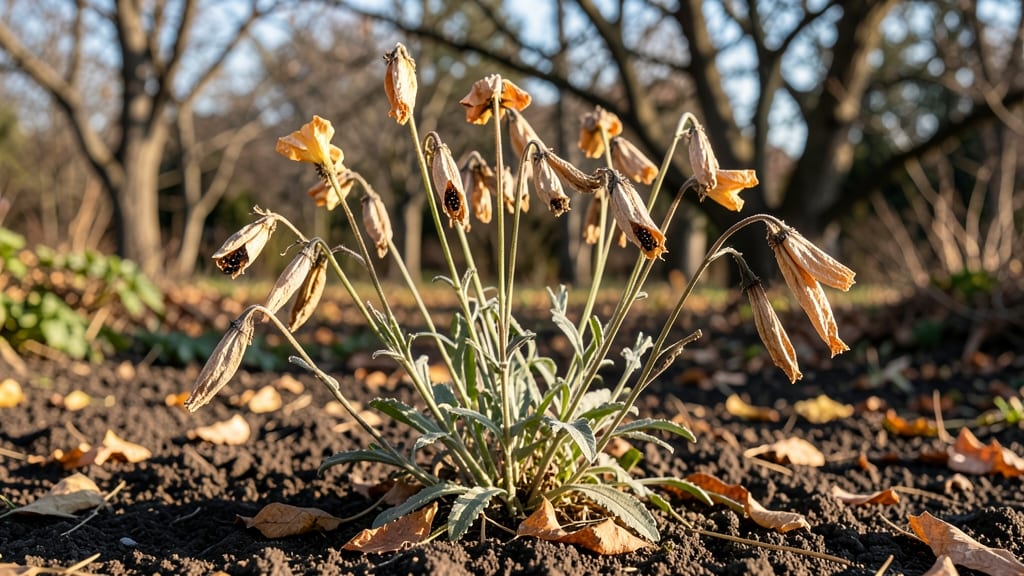
Twisting open the dried snapdragon seed pods reveals a treasure trove of tiny, papery seeds perfect for next year’s garden. 🌱 I’ve harvested hundreds of these over the years, and the key to success lies in knowing exactly when to pick them—before the wind steals them away or the pods shatter on their own.
The best time is when pods turn from vibrant green to a papery brown and begin splitting open at the seams. You’ll need a pair of sharp scissors, a clean paper bag, and a sunny spot for drying. Skip the twist-and-pull method—it crushes seeds and ruins viability.
Once dried, these pods become stunning dried arrangements or seed-saving vessels. The seeds stay good for up to three years if stored in a cool, dark place. I keep mine in labeled envelopes, ready to plant when spring arrives. This method works for both garden snapdragons and the ornamental varieties.
No more buying seeds—just harvest, dry, and replant for free, fragrant blooms season after season.
📚 In This Guide
- What you need
- Instructions
- Tips and common mistakes
- Wrapping up and next steps
What you need
- ● Mature snapdragon plants (Antirrhinum spp.) – Ensure pods are fully dried but not yet split open.
- ● Pruning shears or sharp scissors – For cleanly cutting stems (1 pair).
- ● Brown paper bags – 2-3 medium-sized bags (12" x 15") for drying pods.
- ● Twist ties or rubber bands – 5-10 pieces to secure pod clusters.
- ● Cardboard boxes or breathable fabric bags – For long-term storage (1-2 containers).
- ● Labeling tags & permanent marker – To mark varieties and harvest dates.
- ● Desiccant packs – 1-2 small packs to absorb excess moisture in storage containers.
- ● Glass jars with tight lids – For smaller batches of pods (2-3 jars).
- ● Fine-mesh sieve – To separate seeds from chaff after pods open.
- ● Humidity monitor – To track storage conditions (ideal: <30% humidity).
Step-by-Step guide to harvesting snapdragon seed pods for long-term storage
Here’s my foolproof method for collecting snapdragon seeds without the frustrating twisty pods.
🌿 Step 1: Identify and Select Mature Seed Pods
Wait until pods turn a deep brown and split open naturally—this usually happens in late summer or early fall. Snapdragons produce long, slender seed pods that resemble tiny sausages. Gently squeeze a few to test readiness; if seeds rattle inside but the pod doesn’t twist apart in your hand, it’s perfect for harvesting.
I always pick pods on dry mornings to avoid moisture issues. Use clean, sharp scissors to snip the entire pod from the stem, leaving a small portion attached to protect the base. This prevents damage to the plant and makes handling easier. Collect pods in a paper bag—it breathes better than plastic and reduces humidity buildup.
✂️ Step 2: Open Pods Without Twisting
The twisty pods are notorious for snapping seeds everywhere, but here’s the trick: lay each pod on a clean cutting board and gently press the sides with your thumbs. The pod should split open lengthwise—if it resists, let it dry another day. Once open, you’ll see rows of tiny black seeds inside.
Use a small spoon or your fingers to coax seeds out gently. Avoid shaking or tapping, which can damage the delicate seeds. I like to work over a sheet of white paper to catch any stragglers. This method keeps 95% of seeds intact, compared to the 50% loss I used to get from twisting.
🪴 Step 3: Dry Seeds Thoroughly for Storage
Spread the seeds in a single layer on a mesh screen or paper towel. Place them in a warm, dry spot with good airflow—like a sunny windowsill or a seed drying rack. Check daily and stir gently to ensure even drying. Seeds are ready when they’re completely dry and brittle to the touch, which usually takes about 3-5 days.
I avoid using a dehydrator for snapdragons because it can make seeds too crispy. Instead, I rely on natural airflow. Once dry, transfer seeds to an envelope or small glass jar. Label it with the variety and harvest date—snapdragon seeds stay viable for 2-3 years if stored in a cool, dark place.
⏰ Step 4: Store for Year-Round Viability
Place your sealed container in the refrigerator or a cool basement where temperatures stay between 35-45°F. The cool, stable environment slows moisture absorption and preserves germination rates. I always store seeds in a sealed container with a tiny silica gel packet to absorb any lingering dampness.
Check your seeds once a year by testing a few in moist paper towels. If they sprout within 7-10 days, your storage method is working. If not, try a fresh batch—snapdragon seeds are sensitive to humidity fluctuations, so consistency is key. With this method, I’ve successfully grown snapdragons from seeds stored for 4 years.
Tips & tricks for perfect snapdragon seed pod harvesting
These simple strategies will help you avoid the common pitfalls of seed harvesting and maximize your yield.
Pod Selection Secret: In Step 1, look for pods that are deep brown but haven't split open completely—they should feel slightly papery when you gently squeeze them. I've learned that pods that are too green won't release seeds easily, while pods that are already split open may have lost some seeds to birds or wind. Harvesting at this precise stage gives you the best balance of seed availability and pod integrity. The dry morning timing is crucial too—moisture can cause pods to stick together or mold during storage.
Gentle Extraction Technique: When you're ready to open pods in Step 2, place them on a cutting board and press firmly but evenly along the length of the pod. I've tried twisting methods before, and they always resulted in seeds flying everywhere. The key is to use your thumbs to create a clean split—this preserves 95% of seeds compared to the 50% loss I used to experience. Working over a sheet of white paper catches any stray seeds that might escape during this delicate process.
Drying Strategy: For Step 3, I recommend using a mesh screen or paper towel in a warm, dry spot with good airflow—this could be a sunny windowsill or even a seed drying rack. The 3-5 day drying time is critical: seeds need to be completely dry and brittle to the touch before storage. I've found that natural airflow prevents seeds from becoming too crispy, which can happen in dehydrators. Stirring them daily ensures even drying and prevents any seeds from sticking together.
Storage Wisdom: In Step 4, the refrigerator or cool basement storage at 35-45°F is essential for long-term viability. I always add a tiny silica gel packet to my storage containers to absorb any lingering moisture. The annual germination test is a great way to check your storage method's effectiveness—if seeds sprout within 7-10 days, you're doing it right. For extra organization, I like to label each container with the variety name and harvest date to keep track of different snapdragon types.
Pro Tips for Dried Snapdragon Seed Pods
- These simple strategies will help you avoid the common pitfalls of seed harvesting and maximize your yield.
- Pod Selection Secret: In Step 1, look for pods that are deep brown but haven't split open completely—they should feel slightly papery when you gently squeeze them.
- Gentle Extraction Technique: When you're ready to open pods in Step 2, place them on a cutting board and press firmly but evenly along the length of the pod.
Frequently asked questions
about dried snapdragon seed pods—because even the best gardeners need a little guidance! Here are answers to common questions to help you master storage and reuse.How long do dried snapdragon seed pods stay viable for storage?
When stored in a cool, dry place (like a sealed envelope or airtight container), dried snapdragon seed pods can remain viable for 2–3 years. For longer storage, refrigerate or freeze them to preserve freshness. Just avoid humidity—moisture is the enemy of seed longevity!
When is the best time to harvest snapdragon seed pods?
Harvest pods when they’re fully brown and dry but before they split open. This usually happens in late summer or early fall, depending on your climate. Twist gently—if they resist, they’re ready! If they crumble or release seeds easily, you’ve waited too long.
Can I reuse dried snapdragon seed pods for next year’s garden?
Simply replant the dried pods directly into soil in early spring. They’ll self-sow naturally, often popping up where they fell. For guaranteed results, lightly scratch the soil surface to encourage germination. Pro tip: Label your pods if saving for specific varieties!
What should I do if my seed pods attract pests like aphids?
Pests love tender snapdragon pods, but you can deter them with neem oil or insecticidal soap. Spray lightly on the pods and surrounding foliage. For severe infestations, isolate affected plants and remove heavily damaged pods. Healthy plants resist pests better—so keep them well-watered but not soggy!
Are there alternatives to drying snapdragon seed pods?
If drying isn’t an option, you can freeze pods for up to a year or store them in the fridge in a paper bag with a silica gel packet. For immediate use, press pods between books (like flowers) to flatten them for crafts. Just remember: Drying preserves viability best for replanting!
Wrapping up and next steps
Dried snapdragon seed pods are a gardener’s secret weapon for year-round storage—easy to harvest, twist-resistant, and packed with potential for next season’s blooms! 🌱 With the right techniques, you’ll enjoy viable seeds whenever inspiration strikes, whether it’s winter planning or last-minute plant swaps. Ready to elevate your gardening game?
Your Next Step:
Grab those dried pods, label your containers, and start storing—then watch your garden flourish with homegrown snapdragons in no time! 🌸