
Lawn
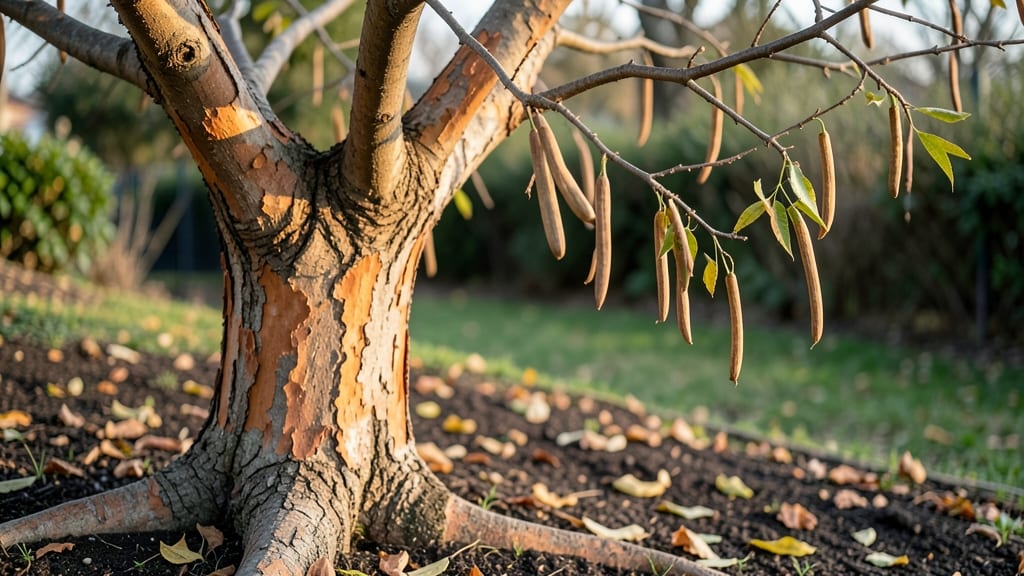
Harvesting crape myrtle seed pods without the annoying twist is the secret to reliable propagation. 🌿 I’ve spent years wrestling with these stubborn pods, and I finally cracked the method that keeps seeds viable while avoiding the frustrating spiral.
The key lies in timing and technique—collecting them at the right moment makes all the difference.
You’ll need just a few simple tools: pruning shears for cutting mature pods, a paper bag for storage, and a damp paper towel for stratification. The pods turn from green to papery brown when ready—usually in late fall.
Once collected, you’ll store them in a cool, dry place until spring, when you’ll break dormancy and watch those seeds sprout.
What you end up with are vigorous new crape myrtles that grow faster and stronger than nursery plants. The process takes patience, but the payoff is worth it—imagine free trees for years to come, with the exact variety you love.
Plus, you’ll skip the hassle of transplant shock that often kills store-bought saplings.
Works for any crape myrtle variety, from dwarf types to towering giants. Here’s how to do it without the usual frustration—no more tangled seed pods or wasted seeds. Let’s get started!
📚 In This Guide
- What you need
- Instructions
- Tips and common mistakes
- Wrapping up and next steps
What you need
- ● Mature crape myrtle trees (preferably Lagerstroemia species) with seed pods—look for brown, papery pods (late fall/winter) or green pods turning brown (early fall).
- ● Pruning shears or sharp scissors (bypass blades work best to avoid crushing pods).
- ● Large paper grocery bags or breathable mesh bags (1–2 bags per tree to collect pods without moisture buildup).
- ○ Gloves (optional but recommended—pods can be sticky or irritating to some skin!).
- ● Newspaper or cardboard (to lay out pods for drying; 1–2 sheets per batch).
- ○ Fan or dehumidifier (optional but highly recommended for speedy drying in humid climates).
- ● Seed catalog or notebook to track pod sources (variety, location, harvest date).
- ● Fine-mesh sieve or strainer (for separating seeds from chaff post-drying).
- ● Humidity monitor (ideal drying range: 30–50% humidity).
- ● Air-tight containers with silica gel packets for long-term seed storage.
How to harvest crape myrtle seed pods without the twist
Here's the simple method I use to collect viable seeds year-round without breaking your back or the pods.
🌿 Step 1: Identify and Select the Right Pods
Wait until the seed pods turn from green to a papery brown color—this means they're fully mature and ready for collection. I look for pods that feel dry and papery to the touch, not leathery or still green. The best time to harvest is in late fall or early winter before the pods split open naturally.
Pick pods from healthy trees that have produced abundant blooms. You'll want at least 4-6 pods per tree for a good seed supply. Avoid pods that show signs of insect damage or disease—those won't yield viable seeds. Gently twist the pod while holding it firmly; if it comes off cleanly, it's ready for processing.
🪴 Step 2: Prepare Your Collection Area
Spread out a large sheet of newspaper or cardboard on a clean, flat surface to catch the seeds and debris. I like to work outside on a dry day to make cleanup easier. Place a small bowl or container nearby to collect the seeds as you extract them.
Wear gloves if you're sensitive to plant fibers—the dried pods can be slightly irritating to bare hands. Have a small brush or your fingers ready to gently separate the seeds from the pod material. This is where you'll see the real seeds: small, brown, and roughly oval-shaped, about the size of a grain of rice.
💧 Step 3: Extract Seeds Without Breaking Them
Hold a pod firmly with one hand and gently twist it open with the other. Don't force it—if it resists, let it dry a few more days. Once open, you'll see the seeds nestled inside the pod's fibers. I like to use my fingers to carefully separate the seeds from the chaff, placing them directly into the bowl.
For stubborn pods, you can lightly tap them against the newspaper to release the seeds. Avoid shaking them vigorously—this can damage the seeds or blow them away. You should end up with about 20-30 seeds per pod, depending on the tree's health. Store the seeds in a paper envelope or small bag until you're ready to plant.
☀️ Step 4: Dry and Store Seeds Properly
Spread the collected seeds out on the newspaper in a single layer and let them dry for 2-3 days in a warm, dry place with good air circulation. This prevents mold and ensures the seeds stay viable. I place them near a sunny window but out of direct sunlight to avoid overheating.
Once completely dry, transfer the seeds to a paper envelope or breathable cloth bag. Label it with the date and tree variety if you know it. Store the seeds in a cool, dark place—like a pantry or seed storage box—where they'll remain viable for 1-2 years. Check them periodically for any signs of moisture or pests.
⏰ Step 5: Plant or Store for Future Use
If you're ready to plant, sow the seeds in a well-draining potting mix in small pots or seed trays. Press them lightly into the soil, about ¼ inch deep, and keep the soil moist but not soggy. Germination can take 2-4 weeks, so be patient. Place the pots in a warm, sunny spot or under grow lights.
For seeds you're not planting immediately, keep them in their storage container until you're ready. Crape myrtle seeds are tough and can handle a bit of neglect, but proper storage ensures you'll have healthy seedlings when you're ready to grow. You'll know they're still good if they germinate quickly when planted.
Tips & tricks for perfect crape myrtle seed pod harvesting
These simple tricks will help you collect viable seeds without damaging the pods or wasting time.
Timing is Everything: Harvest pods when they're fully brown and dry but before they split open naturally—this usually happens in late fall or early winter. I've learned the hard way that waiting too long means the seeds scatter on the ground, and harvesting too early gives you immature, non-viable seeds. The papery texture is your best indicator of readiness.
Tree Selection Matters: Focus on healthy trees with abundant blooms from the previous season. I always check for 4-6 pods per tree minimum to ensure a good seed supply. Avoid trees with signs of disease or insect damage—they'll yield poor-quality seeds. Look for pods that twist off cleanly without resistance; if they feel stubborn, they need more drying time.
Extraction Technique: When twisting open pods in Step 3, use a gentle but firm grip—think of it like opening a stubborn jar. If a pod resists, let it dry another day or two. Once open, use your fingers to carefully separate seeds from the chaff. For particularly stubborn pods, I tap them lightly against newspaper rather than shaking, which prevents seed damage or loss. You should get about 20-30 seeds per pod if the tree was healthy.
Storage Wisdom: After drying seeds for 2-3 days in Step 4, transfer them to a paper envelope or breathable cloth bag—plastic traps moisture and reduces viability. Label each bag with the date and tree variety if known. Store in a cool, dark pantry where they'll stay viable for 1-2 years. I check mine monthly for moisture or pests, especially if humidity rises during summer storage.
Pro Tips for Crape Myrtle Seed Pods
- These simple tricks will help you collect viable seeds without damaging the pods or wasting time.
- Timing is Everything: Harvest pods when they're fully brown and dry but before they split open naturally—this usually happens in late fall or early winter.
- Tree Selection Matters: Focus on healthy trees with abundant blooms from the previous season.
Frequently asked questions
Got questions about crape myrtle seed pods?
You’re not alone! Here are answers to the most common queries—from harvesting tips to troubleshooting—so you can master this twist-free technique with ease.
When is the best time to harvest crape myrtle seed pods?
Harvest pods when they turn tan or light brown and split open naturally—usually in late fall or winter (October–February, depending on your climate). Avoid harvesting green pods; they won’t yield viable seeds. Pro tip: Shake a pod over paper—if seeds rattle inside, it’s ready!
Why do my crape myrtle seed pods twist off the tree?
Twisting is normal as pods mature—they detach to spread seeds naturally. To prevent loss, harvest pods before they twist or use a pod catcher (a tarp under the tree). If pods twist prematurely, check for drought stress or over-pruning—both can trigger early seed dispersal.
Can I store crape myrtle seeds for next year?
Yes! Store seeds in a cool, dry place (like a sealed container in the fridge) for up to 1–2 years. For best germination, stratify seeds (mix with moist sand, refrigerate for 30–60 days) before planting. Don’t skip this step—it mimics winter conditions and boosts success!
What if my crape myrtle doesn’t produce seed pods?
Pods require both male and female flowers (or a single self-pollinating tree). If your tree lacks pods, it may be too young (<10 years), stressed, or pruned incorrectly. Try planting a second tree nearby or hand-pollinate flowers with a soft brush. Patience helps—some varieties take 2–3 years to fruit!
Are there alternatives to harvesting seeds from crape myrtles?
If you want crape myrtle plants without seeds, consider cuttings (root semi-hardwood cuttings in spring) or buying grafted trees (guaranteed varieties). For seeds, native plant nurseries often sell local cultivars—but harvesting your own ensures genetic consistency for your climate!
Wrapping up and next steps
Harvesting crape myrtle seed pods is a rewarding way to ensure a steady supply of seeds year-round—without the frustration of tangles! 🌱 By following the right techniques, you’ll enjoy healthy plants and a thriving garden.
Whether you’re a seasoned gardener or just starting out, this twist-free method makes seed collection simple and effective.
Now that you’re equipped with the knowledge, grab your gloves and get harvesting! Try collecting pods from a few different trees to diversify your seed stock, and share your success with fellow gardeners. Happy growing! 🌿