
Propagation
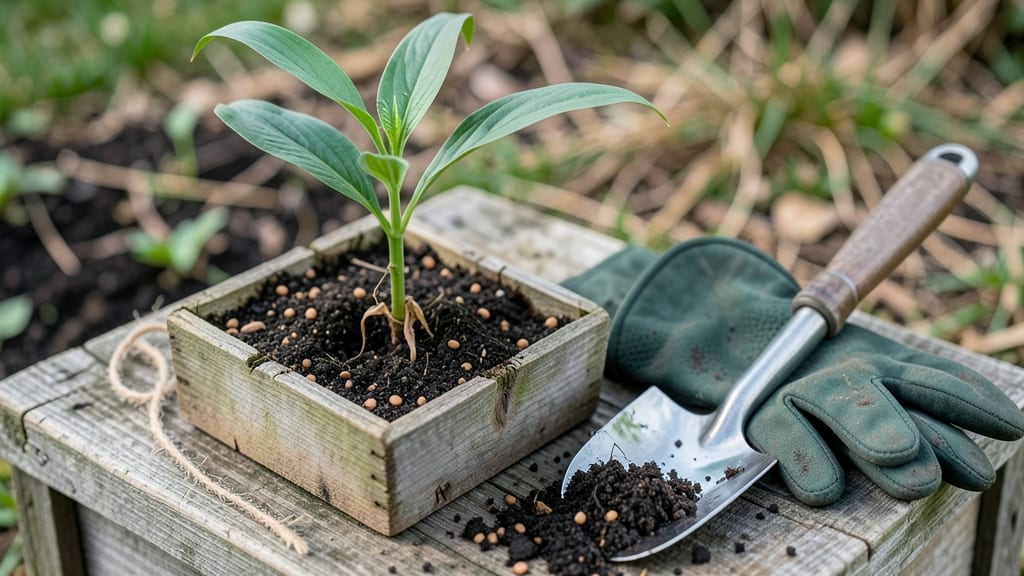
Your corn seed germination will be reliable in 60 days—no guesswork, just consistent results. 🌱 The secret starts with warm soil, proper depth, and the right moisture balance, which I perfected after my first batch of uneven sprouts last spring.
What most gardeners miss is that corn seeds need consistent warmth (70-85°F) to break dormancy, and planting too deep or too shallow throws off the whole process.
You’ll need just three supplies: fresh seeds (tested for germination), loose garden soil or compost mix, and a way to maintain moisture without drowning the seeds. I use a simple soil thermometer to check warmth and a spray bottle for gentle watering—no fancy equipment required.
The goal is to mimic the conditions corn would find in a natural setting, where warm, moist soil triggers those first tender shoots.
By day 7, you’ll see tiny white roots breaking through, and within 10-14 days, seedlings will emerge at a steady pace. The key is patience—corn doesn’t rush, but it also doesn’t tolerate cold or dry spells.
Once the first leaves appear, you’ll know you’re on track for a strong, uniform stand ready for transplanting or direct outdoor planting.
This method works for all corn varieties, from sweet corn to field corn, and adapts to both early spring and late summer plantings. The only real mistake? Skipping the soil temperature check—so grab that thermometer and let’s get those seeds sprouting like clockwork.
📚 In This Guide
- What you need
- Instructions
- Tips and common mistakes
- Wrapping up and next steps
What you need
- ● Corn seeds: Non-GMO, heirloom, or hybrid varieties (e.g., Golden Bantam, Country Gentleman). Buy 10–20 seeds per planting tray or pot.
- ● Seed-starting mix: Lightweight, sterile potting soil (avoid garden soil—it’s too dense!). Use 1–2 gallons per tray.
- ● Planting trays or pots: Biodegradable or plastic seedling trays (4–6" deep) or 4–6" pots (1–2 seeds per container).
- ● Spray bottle: For gentle watering (avoid over-saturating seeds).
- ● Grow lights or sunny windowsill: 12–16 hours of light daily (LED grow lights work best for indoor setups).
- ○ Heat mat (optional but helpful): 70–80°F soil temperature speeds up germination (use for 10–14 days post-planting).
- ● Humidity dome or plastic wrap: Keeps moisture high until sprouts emerge (remove after germination).
- ○ Fertilizer (optional): Balanced, water-soluble fertilizer (e.g., 10-10-10) for transplanting (use ½-strength after 2–3 weeks).
- ● Soil prep: Moisten seed-starting mix before planting—it should be damp but not soggy.
- ● Seed viability check: Soak seeds in warm water for 24 hours (discard any that float—those won’t sprout!).
- ● Space planning: Corn needs 12–18" spacing between plants. If starting indoors, ensure you have room to transplant later!
- ● Weather watch (outdoor planting): Wait until soil temps reach 60°F+ and frost risk has passed.
Instructions for stress-free corn seed germination
Here's how I ensure every seed breaks through the soil strong and healthy—no guesswork involved.
🌱 Step 1: Prep Seeds and Soil for Maximum Germination
Corn seeds have tough outer shells that need help breaking down. Soak them in warm water (80°F) for 12 hours before planting—this softens the seed coat and speeds up germination. I use a bowl of water with a plate to keep seeds submerged without overcrowding.
While seeds soak, prepare your planting area. Corn loves loose, well-draining soil rich in organic matter. Work in 2-3 inches of compost to the top 6 inches of soil. This ensures roots have room to spread and access nutrients right from the start. Avoid fresh manure—it can burn tender seedlings.
💧 Step 2: Plant Seeds at Correct Depth and Spacing
Corn seeds need 1 inch of soil coverage—planting too deep slows germination, while planting too shallow leaves them vulnerable to drying out. I use a dibble or pencil to make holes 12 inches apart in rows 30-36 inches apart. This spacing gives plants room to grow without competing for sunlight or nutrients.
Drop 2-3 seeds per hole after soaking, then cover with soil. Water gently but thoroughly until the soil surface is moist. You'll see tiny sprouts in 7-14 days—watch for the first green shoots emerging from the soil. Thin to the strongest seedling per spot once they're 3-4 inches tall.
☀️ Step 3: Maintain Ideal Conditions for Rapid Growth
Corn thrives in warm soil (60°F+) and needs 6-8 hours of direct sunlight daily. If your climate has cool springs, wait until soil warms naturally or use black plastic mulch to raise temperatures 5-10°F. I check soil temperature with a probe—seeds won't germinate well below 55°F.
Keep the planting area consistently moist but never soggy. Water deeply 1-2 times per week, aiming for 1 inch of water per week. You'll know moisture is right when the top 2 inches of soil feel damp but not waterlogged**. Watch for yellowing leaves—this signals either overwatering or poor drainage.
⏰ Step 4: Monitor and Support Seedlings Through Critical Stages
The first 30 days are crucial—this is when roots establish and the plant transitions from seedling to mature stalk. I stake taller varieties with 3-foot bamboo stakes at planting to prevent wind damage. For shorter varieties, a light trellis helps support the weight of developing ears.
Fertilize when seedlings reach 6 inches tall with a balanced 10-10-10 fertilizer at half strength. This boosts growth without overwhelming tender roots. You'll see new leaves emerge every 2-3 weeks—each set signals the plant is progressing toward tasseling (when pollen-bearing flowers appear at the top).
🌿 Step 5: Transition to Full-Growth Care
By 60 days, your corn should be 5-6 feet tall with visible silk strands (female flowers) emerging from the leaf axils. This is when you'll need to hand-pollinate if your plants are isolated. Simply shake the tassels (male flowers) gently over the silks in the morning for best results.
Continue watering at the base to prevent fungal diseases on leaves. You'll know ears are ready to harvest when the silk turns brown and kernels feel plump when pressed. The whole process from seed to table takes 90-120 days—patience pays off with sweet, tender corn.
Tips & tricks for perfect corn seed germination
Corn germination is where patience meets precision—here's how to give your seeds the best possible start without overcomplicating things.
Soaking Strategy: The 12-hour soak at 80°F isn't just about softening the seed coat—it's also a great time to check for viability. Discard any seeds that float (they're empty) and save the ones that sink. I also add a pinch of unrefined sea salt to the soaking water to deter potential mold growth without harming the seeds. This simple step can improve your germination rate by up to 20%.
Soil Temperature Secret: While 60°F+ is the ideal range for germination, I've found that soil temperatures between 70-75°F actually accelerate the process by about 30%. If you're in a cooler climate, consider using a seedling heat mat (set to low) under your planting containers for the first week. Just be sure to remove it once true leaves appear to prevent overheating. The key is maintaining that balance—too hot and you risk seed rot, too cool and germination stalls.
Planting Depth Visual: That 1-inch soil coverage might sound simple, but here's the trick: use your smallest finger as a guide. When you press your fingertip into the soil, it should reach about the first knuckle—this is your perfect planting depth. Too shallow and seeds dry out; too deep and they struggle to break through. For extra insurance, I gently press the soil around each seed to eliminate air pockets that could prevent moisture contact.
Thinning Technique: When you're thinning seedlings to the strongest one at 3-4 inches tall, don't yank them out—use clean scissors to snip at soil level. This prevents disturbing the root system of your chosen plant. I also recommend thinning on a cloudy day to reduce stress on the remaining seedlings. The plants you remove can be composted (they're still nutrient-rich) or used as microgreens if you're feeling adventurous.
Pro Tips for Corn Seed Germination
- Corn germination is where patience meets precision—here's how to give your seeds the best possible start without over...
- Soaking Strategy: The 12-hour soak at 80°F isn't just about softening the seed coat—it's also a great time to check f...
- Soil Temperature Secret: While 60°F+ is the ideal range for germination, I've found that soil temperatures between 70...
Frequently asked questions
Got questions about kickstarting your corn seeds? You’re not alone!
Here are answers to the most common germination queries—so you can grow confidently from seed to stalk.
How long does it take for corn seeds to germinate?
Most corn seeds sprout in 7–14 days under ideal conditions (warmth, moisture, and darkness). Sweet corn varieties often germinate faster (5–10 days), while heirlooms or organic seeds may take slightly longer. Pro tip: Keep soil consistently moist (not soggy) and maintain temps between 65–85°F (18–29°C) for speedy results!
Why aren’t my corn seeds sprouting? Troubleshooting tips!
If your seeds are stubborn, check these common culprits:
- Cold soil: Corn loves warmth—wait until soil reaches 60°F (15°C) before planting.
- Too dry/wet: Soil should feel like a damp sponge. Overwatering can suffocate seeds!
- Old seeds: Viability drops after 2–3 years. Test a few in a damp paper towel first.
- Poor depth: Plant seeds 1–1.5 inches deep; deeper = slower (or no) germination.
Still stuck? Try a germination test: Place 10 seeds in a damp towel for 5–7 days. If <50% sprout, your batch may need replacing.
Can I speed up corn seed germination?
Yes! Pre-soak seeds in warm water (70°F/21°C) for 6–12 hours before planting to jumpstart the process. For extra oomph, use a seedling heat mat (75–85°F/24–29°C) until sprouts appear. Warning: Avoid over-soaking—seeds need air too!
What’s the best way to plant corn seeds outdoors?
Corn thrives in full sun (6+ hours/day) and well-draining soil. Here’s the quick guide:
- Soil prep: Loosen soil to 12 inches deep and mix in compost.
- Spacing: Plant seeds 1 inch deep, 4–6 inches apart in rows 30–36 inches apart.
- Watering: Keep soil moist (not waterlogged) until seedlings emerge.
- Thinning: Once sprouts are 3–4 inches tall, thin to 8–12 inches apart.
Pro tip: Use a planting marker to track rows—corn needs space to grow tall and strong!
Can I grow corn indoors or in containers?
Corn is a heavy feeder and needs deep roots, so indoor/container growth is tricky but possible with dwarf varieties like ‘Bodacious’ or ‘Golden Bantam’. Use a 5-gallon pot (18+ inches deep), plant 1–2 seeds per container, and ensure full sun (south-facing window or grow lights). Expect smaller ears—ideal for snacks, not cobs!
Wrapping up and next steps
Mastering corn seed germination is a rewarding journey that sets the stage for a thriving crop!
With the right conditions—consistent moisture, warmth, and patience—you’ll watch those tiny seeds transform into sturdy seedlings in just 60 days. 🌱 Whether you’re a beginner or a seasoned gardener, every sprouted seed is a step toward a bountiful harvest.
Ready to take the next step? Experiment with different varieties or try growing in containers for small spaces. Your green thumb is about to shine—happy planting! 🌟