
Planting
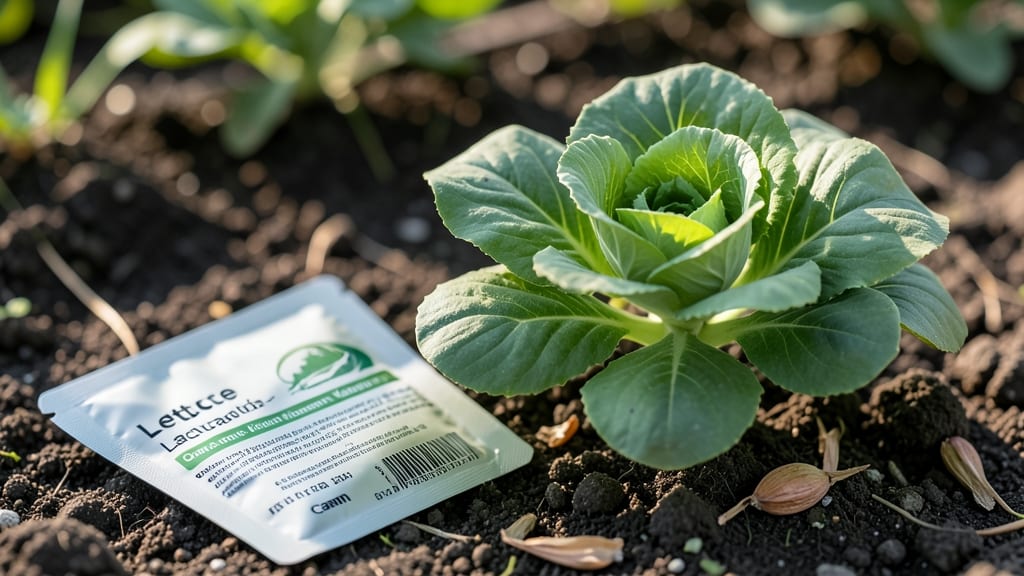
You can start planting seeds now if you're sowing cold-hardy varieties like peas or spinach 4-6 weeks before your last frost date, but tender plants (tomatoes, peppers) should wait until after frost risk or use indoor starting methods. Always verify your USDA zone for exact timing.
Whether you can start planting seeds now hinges on your local frost date and the hardiness of your chosen plants. 🌱 Cold-resistant crops like lettuce or radishes thrive when sown weeks before the last frost, while heat-lovers such as basil or cucumbers need warmer soil.
I recommend checking your USDA zone and average frost dates—this ensures you avoid shocking delicate seedlings with unexpected chilly nights. For example, gardeners in Zone 5 might start peas in early April, while Zone 8 can plant tomatoes as early as February indoors.
If you're eager to get a head start, indoor seed starting is your best friend. 💡 Use seedling trays with drainage, a warm spot (around 70°F), and a grow light if natural light is limited.
Just remember: tender plants will need to harden off for 7-10 days before moving outdoors to prevent shock. This method lets you enjoy a longer growing season without risking frost damage to your seedlings.
💡 In This Article
- How Frost Dates Determine Seed Planting Windows
- Indoor Seed Starting Hacks for Early Planting
How frost dates determine seed planting windows
Frost dates aren't just random calendar markers—they're based on precise temperature thresholds that vary by plant type. Most gardeners consider the average last frost date (when temps drop to 28°F or below) as the critical benchmark, but many plants have specific cold tolerances.
For instance, peas and spinach can handle light frosts (30-32°F) and often thrive when planted 4-6 weeks before the last frost, while tomatoes and peppers wilt instantly in 32°F conditions. 🌱 This is why your USDA zone (1-13) matters so much—it predicts your local frost window with remarkable accuracy.
The science behind frost timing involves plant hardiness zones, which account for both average minimum temperatures and soil conditions.
For example, Zone 5 (typical last frost: April 15) allows cold-hardy crops like kale to be planted by March 1, while Zone 10 (last frost: January 31) can plant tomatoes outdoors in December.
What most gardeners don't realize is that soil temperature is just as critical as air temperature—seeds like carrots need soil at 50°F to germinate, while beans prefer 60°F or warmer. This is why early sowings often fail even when air temps seem mild.
Calculating your safe planting window involves three key steps: find your USDA zone (via the USDA Plant Hardiness Zone Map), locate your average last frost date (typically 5-7 days after the zone's minimum), then subtract the days-to-maturity for your crop.
For example, if your last frost is May 1 and you're growing bush beans (60 days to harvest), you'd plant by March 2.
This method ensures your plants reach maturity before fall frosts arrive. 🌿 The National Weather Service's frost prediction tools can help refine these dates with local accuracy.
One common mistake is planting too early based on air temperature alone. Even if daytime highs reach 70°F, nighttime lows can still drop to 35°F—enough to damage tender seedlings.
This is why gardeners in transitional zones (like Zone 6) often use row covers or cold frames to extend early planting. The goal is to match your planting schedule with your region's frost-free period, which typically spans 120-200 days depending on your zone.
For instance, Zone 3 has only 90-120 days, while Zone 10 enjoys 300+ days.
Advanced gardeners also track heat units (growing degree days) to predict when soil warms enough for warm-season crops. These calculations combine daily highs and lows to estimate when tomatoes or peppers can be transplanted outdoors. For example, tomatoes need 1,000-1,500 growing degree days above 50°F to mature.
This level of precision helps explain why some gardeners in Zone 5 can successfully plant tomatoes in early June while others in the same zone fail with May plantings—the difference often comes down to microclimates and specific heat accumulation patterns. 🌡️
For those eager to push boundaries, succession planting is a game-changer. This technique involves planting small batches of fast-growing crops (like radishes or lettuce) every 2-3 weeks to ensure a continuous harvest. The key is to stagger plantings so that each batch matures before the next frost threat.
For example, in Zone 7, you might plant lettuce on March 1, March 15, and April 1 to enjoy fresh greens from spring through fall. This approach maximizes your growing season while minimizing frost-related losses. 💫