
Planting
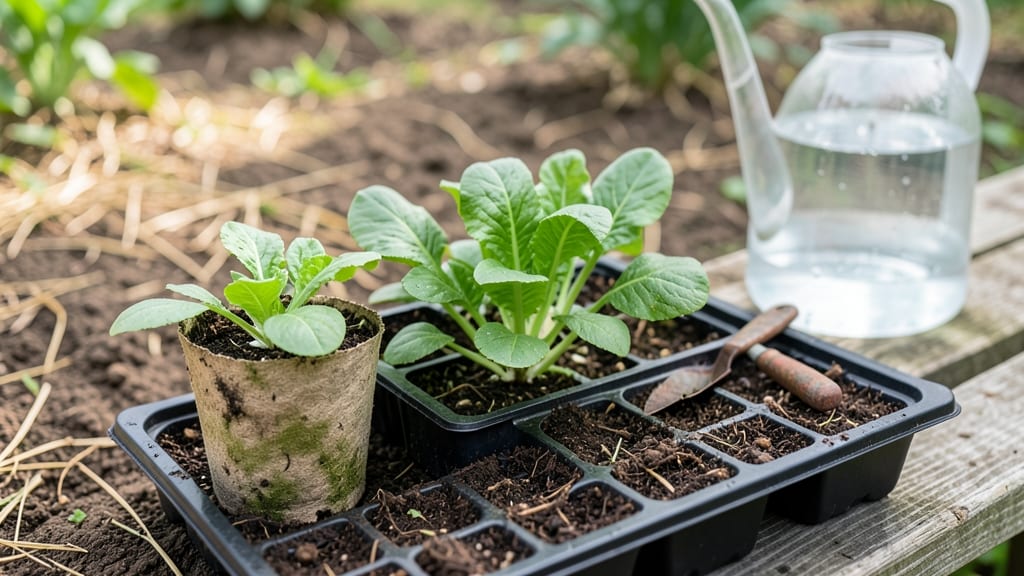
Planting lettuce seeds in pots gives you crisp greens in just 2 weeks—no yard needed. 🌱 I’ve grown enough salad for the week from a single 12-inch pot on my balcony, and the secret is keeping it simple: shallow containers, loose soil, and consistent moisture.
The right setup turns your windowsill into a mini greenhouse for tender leaves. You’ll need 4-inch-deep pots (or deeper for larger varieties), well-draining potting mix, and a sunny spot with at least 4-6 hours of light daily.
Lettuce seeds are tiny but eager to sprout—just scatter them lightly on top of damp soil and press in gently. Overcrowding is the #1 mistake, so thin seedlings to 1-2 inches apart once they’re 2 inches tall.
Within 7-10 days, you’ll see those first true leaves unfurl—bright green and eager to grow. Keep soil moist (not soggy) and watch as your lettuce reaches harvestable size in 2 weeks. The secret to bushy growth?
Snip outer leaves as they mature, and your plants will keep producing for 6+ weeks. This method works for butterhead, romaine, and leaf lettuce alike. Pair with radishes or chives in the same pot for pest control and flavor. Ready to grow your own salad?
Let’s get those seeds in the soil!
📚 In This Guide
- What you need
- Instructions
- Tips and common mistakes
- Wrapping up and next steps
What you need
- ● Pots: 6–12-inch deep containers (at least 1 per plant or 2–3 seeds per pot). Ensure they have drainage holes!
- ● High-quality potting mix: Lightweight, well-draining soil (avoid garden soil—it’s too dense!). A seed-starting mix works best.
- ● Lettuce seeds: Choose fast-maturing varieties (e.g., Buttercrunch, Romaine, or Leaf Lettuce). Aim for 2–3 seeds per pot (thin later if needed).
- ● Watering can or spray bottle: Gentle watering prevents seed displacement.
- ○ Plant labels: Optional but helpful to track varieties and planting dates.
- ● Grow lights or sunny windowsill: 6–8 hours of sunlight daily (south-facing window or LED grow lights if indoors).
- ● Fertilizer: A balanced, water-soluble fertilizer (e.g., 10-10-10) or compost tea for a nutrient boost after sprouting.
- ● Mulch or row cover: Lightweight fabric to protect seedlings from pests or harsh weather.
- ● Tweezers or small scissors: For gently thinning crowded seedlings.
Step-by-Step instructions for planting lettuce seeds in pots
Here's how I grow crisp, ready-to-harvest lettuce in just two weeks using simple containers.
🌱 Step 1: Prepare Containers and Soil Mix
Choose 4-inch diameter pots with drainage holes—lettuce roots need airflow to prevent rot. I use lightweight plastic pots because they're easy to move as the plants grow. Fill each pot with 2 cups of seed-starting mix (never garden soil—it's too dense for young seedlings). Moisten the mix until it feels like a damp sponge when squeezed.
Press the soil down gently with your fingers to remove air pockets, but don't compact it too tightly. The goal is a loose, crumbly texture that lets water penetrate evenly. Tap each pot lightly on the table to settle the soil without disturbing the surface. This ensures consistent moisture and root development from day one.
🌱 Step 2: Plant Seeds at the Right Depth
Sow 3-4 seeds per pot at a depth of ¼ inch—about the width of a pencil lead. Planting too deep slows germination because seedlings must push through extra soil. I use my finger to make small indentations, then place seeds inside and cover lightly with additional mix.
Mist the surface with a spray bottle until evenly damp, but avoid soaking the soil. Overwatering at this stage can wash seeds too deep or create crusts that block sprouts. Place pots in a shallow tray to catch excess water, then set them in a warm spot—65-75°F is ideal for germination.
💧 Step 3: Maintain Moisture and Light
Cover the pots with a clear plastic dome or plastic wrap to retain humidity, then place them under grow lights 2-3 inches above the soil. Lettuce seeds germinate in 5-10 days, but they need consistent warmth and moisture. Check daily and remove the cover once sprouts appear—condensation can promote fungal diseases.
Keep the soil surface damp (not soggy) by watering from the bottom—place pots in an inch of water for 10 minutes, then drain. This method prevents disturbing seedlings while ensuring even moisture. Once first true leaves appear (not the initial seed leaves), thin to the strongest seedling per pot by snipping the others at the base with scissors.
☀️ Step 4: Transition to Outdoor Conditions
After 10-14 days, when seedlings have 2-3 sets of true leaves, move pots to a shaded outdoor spot for 2 hours daily. Gradually increase exposure over 5-7 days to prevent shock. Lettuce thrives in partial shade (4-6 hours of morning sun), so avoid hot afternoon rays that cause bolting.
Water when the top inch of soil feels dry—lettuce prefers consistent moisture but hates soggy roots. A drip irrigation system or watering can with a gentle spray head works best. Fertilize lightly with ½-strength liquid fertilizer once after thinning to support leaf development.
✂️ Step 5: Harvest for Continuous Growth
You can harvest outer leaves when they reach 3-4 inches tall—this encourages the plant to produce more growth. Use clean scissors to cut leaves at the base, leaving the inner rosette intact. For full heads, wait until leaves fill the pot (about 3-4 weeks total
Here's the thing—lettuce grows fastest when kept cool. If temperatures rise above 75°F, move pots to shade and harvest aggressively to prevent bolting. With this method, you'll have fresh greens ready in just 2 weeks and can continue harvesting for 4-6 weeks per planting.
Tips & tricks for perfect lettuce seed planting in pots
A few simple strategies will help you avoid common pitfalls and maximize your lettuce harvest. The difference between thriving seedlings and struggling sprouts often comes down to these key details.
Soil Texture Matters: When preparing your 2 cups of seed-starting mix in Step 1, I recommend adding a handful of perlite or vermiculite to improve drainage. This prevents compaction that can suffocate young roots. After moistening, the mix should hold its shape when gently squeezed but not drip water—think of a damp sponge. This balance is critical for the 5-10 day germination window where seeds are most vulnerable to moisture stress.
Germination Temperature Secret: While the instructions specify 65-75°F as ideal, I've found that placing pots on a seedling heat mat (set to 70°F) speeds germination to the lower end of that 5-10 day range. The key is consistency—fluctuations above 80°F can cause seeds to dry out before sprouting. If your home runs cooler, consider using a clear plastic dome to trap warmth from grow lights placed just 2-3 inches above the soil.
Thinning Technique: In Step 3, when thinning to the strongest seedling, I use sterilized scissors to snip at soil level rather than pulling. This prevents disturbing the remaining seedling's roots. Mark your thinning spots with a toothpick before cutting to avoid accidental damage. The goal is to leave one seedling per pot with its root system intact—this gives you the best chance for bushy growth in your 3-4 week harvest window.
Light Transition Strategy: For the 10-14 day transition in Step 4, I recommend placing pots on a wheeled cart so you can easily move them between indoor grow lights and outdoor shade. Start with just 2 hours of morning sun (the gentlest light) and gradually add 1 hour per day. This slow acclimation prevents the shock that causes seedlings to wilt or bolt prematurely. Remember, lettuce thrives in partial shade—think dappled sunlight rather than full sun exposure.
Pro Tips for Plant Lettuce Seeds In Pots
- A few simple strategies will help you avoid common pitfalls and maximize your lettuce harvest.
- Soil Texture Matters: When preparing your 2 cups of seed-starting mix in Step 1, I recommend adding a handful of perlite or vermiculite to improve drainage.
- Germination Temperature Secret: While the instructions specify 65-75°F as ideal, I've found that placing pots on a seedling heat mat (set to 70°F) speeds germination to the lower end of that 5-10 day range.
Frequently asked questions
Got questions about growing lettuce in pots?
You’re not alone! Here are answers to the most common concerns—from timing to troubleshooting—so your leafy greens thrive from seed to harvest.
Can I plant lettuce seeds year-round in pots?
Lettuce loves cooler weather, so aim for spring or fall planting in most climates. In hot summers, seeds may bolt (go to seed too quickly) or struggle to germinate. If you live in a warm zone, opt for heat-tolerant varieties like Romaine or grow lettuce in shade during peak heat.
How long does it take for lettuce seeds to sprout in pots?
With consistent moisture and warmth (60–75°F), lettuce seeds typically sprout in 5–10 days. Keep the soil damp (not soggy) and place pots in bright, indirect light until sprouts appear. If germination takes longer than 2 weeks, check soil moisture or seed viability.
What’s the best pot size for lettuce seeds?
Start with small pots (2–3 inches deep) for seedlings, then transplant to 5–6 inch containers when leaves form. Lettuce has shallow roots, so wider pots (like 12-inch planters) work well for multiple plants. Ensure pots have drainage holes to prevent root rot.
Why are my lettuce seedlings wilting or turning yellow?
Yellowing leaves often signal overwatering or nutrient deficiency. Let the top inch of soil dry slightly between waterings, and fertilize lightly with a balanced organic fertilizer (like 5-5-5) every 2–3 weeks. Pests like aphids can also stress plants—rinse leaves with water if you spot them.
Can I reuse pots for lettuce after growing other plants?
Yes! Clean pots thoroughly with soapy water and a 10% bleach solution (1 part bleach to 9 parts water) to kill pathogens. Rinse well before reuse. Avoid reusing pots from cruciferous veggies (like cabbage) to prevent disease carryover.
Wrapping up and next steps
Growing lettuce in pots is a rewarding and beginner-friendly way to enjoy fresh, crisp greens right at home—without needing a sprawling garden! 🌱 With the right soil, sunlight, and care, you’ll be harvesting tender leaves in just two weeks.
Whether you’re a green thumb or a curious newbie, your efforts will pay off with delicious, homegrown salads.
Ready to take the next step? Try experimenting with different lettuce varieties or even microgreens for even faster results. Happy planting—your future meals (and taste buds) will thank you! 🥗✨