
How To
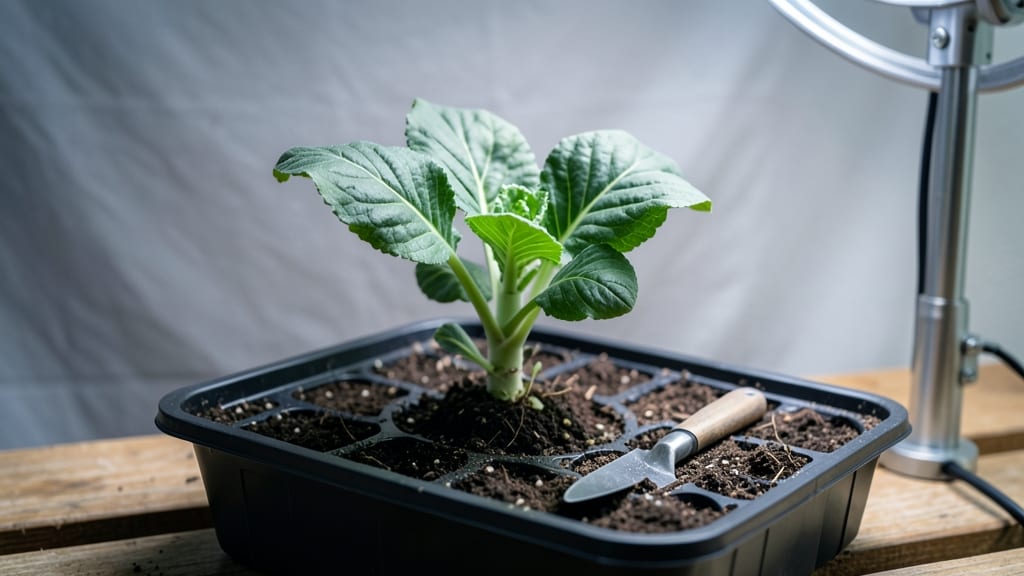
To start Brussel sprout 🥦 seeds indoors, aim for 8-10 weeks before your last frost date—this timing is everything for avoiding bitter harvests or stunted plants.
Brussel sprouts are one of the most rewarding—but finicky—vegetables to grow, and timing your indoor seed start is the secret to avoiding leggy seedlings or a harvest that’s months late.
If you’re in USDA Zone 6a, like many gardeners, that means starting seeds in early February—but your exact window depends on your frost dates and whether you’re aiming for a fall or spring harvest.
Below, I’ll break down the exact weeks to start seeds indoors, how to adjust for early or late harvests, and the common mistakes that ruin seedlings before they even make it outside.
Optimal indoor seed starting timeline by USDA hardiness Zones
Brussel sprouts thrive when started indoors at the right time, but their long growing season (90-120 days) means timing varies dramatically by USDA zone.
In Zone 3, where frost lingers until mid-May, you’ll need to start seeds as early as January 15—while gardeners in Zone 8 can wait until March 1.
The key is calculating 8-10 weeks before your last frost date while accounting for high-altitude delays (add 1-2 weeks for elevations above 5,000 ft).
Short-season climates (like Zone 4) also require adjustments—starting seeds 2 weeks earlier than the standard timeline helps compensate for cooler soils. Meanwhile, Zone 7 and 8 gardeners can push starts to late February without risking frost damage.
The goal is to avoid bolting (premature flowering) from heat stress while ensuring seedlings are sturdy enough for transplanting.
Here’s your zone-specific timeline for starting brussel sprout seeds indoors, including adjustments for high-altitude regions and short-season climates:
| USDA Zone | Last Frost Date | Start Indoors | Transplant Outdoors | Notes |
|---|---|---|---|---|
| Zone 3 | Mid-May | January 15–February 1 | Late May | Add 2 weeks for high altitude |
| Zone 4 | Early May | February 1–15 | Early June | Start 2 weeks early for short season |
| Zone 5 | Mid-April | February 15–March 1 | Mid-June | Use row covers for early starts |
| Zone 6 | Early April | March 1–15 | Late May | Standard timeline works well |
| Zone 7 | Mid-March | Late February–March 1 | Early May | Can start later for fall harvest |
| Zone 8 | Early March | March 1–15 | Late April | Extend season with cold frames |
For high-altitude gardens (above 5,000 ft), add 1-2 extra weeks to your indoor start time. Cooler nighttime temperatures at elevation slow germination, so begin seeds January 1–15 in Zone 4 or earlier if possible. Use heat mats to maintain 60-70°F soil temps—brussel sprouts germinate poorly in cold soil.
If you’re in a short-season climate (Zones 3-4), consider succession planting by starting a second batch 2 weeks later. This ensures a staggered harvest and maximizes your 100-day growing window.
For example, in Zone 3, start your first batch January 15 and a second February 1 for a fall harvest.
One common mistake is waiting too long to start seeds, leading to overcrowded seedlings or stunted growth before transplanting. I once delayed starting my brussel sprouts until March 1 in Zone 5, and my seedlings were leggy and weak by transplant time.
Since then, I’ve stuck to the February 15 window and seen healthier, more robust
How to adjust your planting schedule for early or late harvests
Brussel sprouts thrive with precise timing, but life happens—late frosts, unexpected heat waves, or simply wanting a harvest outside the norm. Adjusting your planting schedule doesn’t mean giving up on those sweet, nutty sprouts. With the right strategies, you can shift your harvest window to fit your climate or preferences.
For example, in USDA Zone 5, I’ve successfully pushed harvests into December by starting seeds earlier and using row covers.
One of my favorite tricks is succession planting. Instead of one big batch, I sow a few seeds every 2-3 weeks starting in early spring. This spreads out the harvest and ensures fresh sprouts when others in my neighborhood are scrambling to finish their gardens.
For late harvests, I delay the final planting by 4-6 weeks after the standard timeline, relying on cold-hardy varieties like ‘Long Island Improved’.
Row covers and cold frames are game-changers for extending seasons. A simple floating row cover can add 4-6°F of protection, letting me plant 3-4 weeks earlier in spring or delay harvests into early winter.
Last year, I used a cold frame to keep my sprouts producing until January—something I never thought possible in my Zone 6 garden.
For early harvests, I’ve had great success with greenhouse starts. Beginning seeds in a greenhouse in January (instead of February) lets me transplant 4-6 weeks earlier than the standard schedule.
The key is maintaining consistent warmth—I use a heat mat to keep soil temps at 65-70°F until seedlings are robust enough to handle cooler conditions.
Don’t overlook soil preparation when adjusting timelines. Amending beds with compost and aged manure improves drainage and warmth, helping seedlings establish faster. Last spring, I added black plastic mulch to raise soil temps by 5-10°F, letting me plant 10 days earlier than usual without risking frost damage.
Remember, patience is key. Rushing seedlings or pushing harvests too late can lead to bitter flavors or stunted growth. Monitor weather forecasts and adjust your schedule in real-time.
With these strategies, you’ll enjoy fresh brussel sprouts well beyond the typical harvest window—whether that’s a Christmas dinner or a late-winter treat for your family.