
Lawn
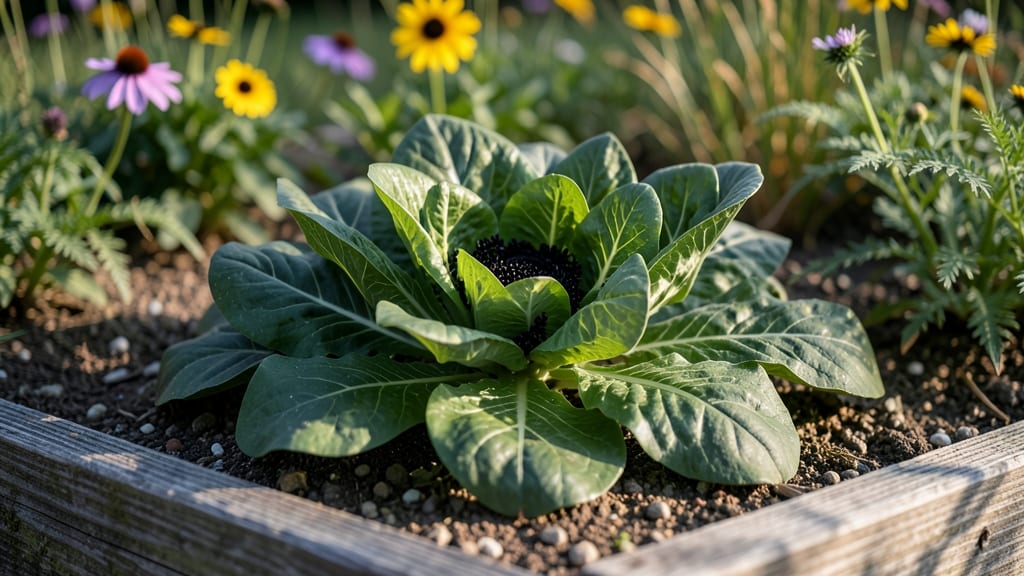
Growing Black Seed Simpson lettuce means crisp, dark green leaves in just 45 days—perfect for gardeners who want fast results without sacrificing flavor. 🌱 I’ve grown this variety for years, and it’s my go-to for early spring and fall harvests because it handles cool weather better than most lettuces.
The secret lies in its cold tolerance and quick maturity, so you can enjoy fresh salads even when other greens struggle.
Start by preparing loose, well-draining soil rich in organic matter—this lettuce thrives in partial shade to full sun, making it ideal for gardens with afternoon heat. For direct sowing, scatter seeds ¼ inch deep, spacing them 12 inches apart in rows 18 inches apart.
If transplanting, set young plants 10-12 inches apart to give them room to spread. Water gently after planting to settle the soil without disturbing the seeds.
Keep the soil consistently moist but never soggy—lettuce roots are shallow, and overwatering can cause rot. A 1-inch layer of mulch helps retain moisture and keeps weeds at bay.
Within 3-4 weeks, you’ll see baby leaves ready for harvesting, and the full head will be mature in 45 days. The flavor improves with cool weather, so late summer or early fall plantings often taste the best.
Watch for slugs and aphids, which love tender lettuce leaves. Handpick pests early or use row covers for protection. If your lettuce starts to bolt (sending up flower stems), it’s usually a sign of heat stress—provide afternoon shade or harvest outer leaves frequently to encourage continued growth.
With the right care, you’ll have a steady supply of crisp, flavorful lettuce long after other varieties have given up.
📚 In This Guide
- What you need
- Instructions
- Tips and common mistakes
- Wrapping up and next steps
What you need
- ● Black Seed Simpson Lettuce Seeds: 1 packet (approx. 500 seeds) – Look for organic or heirloom varieties for best results.
- ● Growing Containers or Garden Bed: Containers: 5-6" deep pots (3-4 plants per container) or a raised bed (12" deep).
- ● Garden Bed: Well-draining soil, 6-12" deep, with full sun to partial shade.
- ● High-Quality Potting Soil or Garden Soil: 2-3 cubic feet (for containers) or amended garden soil (for in-ground planting).
- ○ Compost or Organic Fertilizer: 1 cup per plant (optional but recommended for nutrient boost).
- ● Hand trowel or transplanting tool
- ● Watering can or hose with a gentle spray nozzle
- ○ Gloves (optional, for comfort)
- ○ Row cover or frost cloth (optional, for early/late planting in colder climates)
- ● Measuring tape or ruler (for spacing seeds)
- ● Timing: Plant seeds 4-6 weeks before the last frost (ideal for spring/fall harvests).
- ● Climate: Thrives in USDA Zones 2-11; tolerates light frost (down to 20°F).
- ● Sunlight: 4-6 hours of direct sunlight daily (partial shade in hotter climates).
- ● Watering Schedule: Keep soil consistently moist (not soggy) until harvest.
Step-by-step instructions for growing Black Seed Simpson lettuce
This cold-hardy variety rewards patience with crisp, flavorful leaves in just 45 days—here’s how to grow it right.
🌱 Step 1: Prepare Soil and Plant Seeds Directly
Black Seed Simpson thrives in cool weather, so I skip starting indoors unless frost is imminent. Instead, I prepare the soil by mixing in 2 cups of compost per square foot—this variety hates soggy roots but loves rich, crumbly soil. Work the compost into the top 6 inches of soil, breaking up any clods so water penetrates evenly.
Scatter seeds ¼ inch deep in rows 12 inches apart—don’t thin too early, because the seedlings will crowd out weeds naturally. Water gently with a fine spray to avoid washing seeds away. You’ll see sprouts in 7-14 days, depending on soil temperature, so keep the area moist but not saturated until germination.
☀️ Step 2: Manage Light and Water for Optimal Growth
This lettuce loves full sun to partial shade, especially in hot climates. In summer, I provide afternoon shade with a 30% shade cloth to prevent bolting—the plant’s way of flowering early when stressed by heat. Watch for wilted leaves as your signal to adjust shading or water more frequently.
Water deeply 1-2 times per week, aiming for 1 inch of water total. Let the top 1-2 inches of soil dry between waterings—consistent moisture prevents bitter flavors. Mulch with 2 inches of straw to retain soil moisture and suppress weeds, which compete aggressively with young lettuce.
🌿 Step 4: Harvest for Continuous Yield
Black Seed Simpson is a cutting variety, so you’ll harvest leaves as they reach 4-6 inches tall. Use clean scissors to snip outer leaves just above a set of smaller leaves—this encourages the plant to fill out rather than bolt. You’ll get 3-4 harvests per plant before the center forms a loose head.
For a second crop, leave the base intact after the first harvest. With consistent water and shade, the plant often produces a second flush of leaves in 3-4 weeks. If the center starts to tighten into a head, harvest the whole plant before it bolts—this variety tastes best when leaves are loose and tender.
⏰ Step 5: Extend the Season with Succession Planting
This lettuce handles light frosts down to 20°F, so I plant it again 4-6 weeks before the first frost for a fall harvest. For spring, sow seeds 8-10 weeks before the last frost date—earlier plantings may bolt as days lengthen. Space each new batch 10-12 inches apart to prevent overcrowding.
Real talk: If your summer heat is extreme, try growing Black Seed Simpson in partial shade or under a row cover during peak afternoon sun. The key is keeping soil consistently moist and temperatures below 75°F—any hotter, and you’ll trigger bolting before harvest.
Tips & tricks for perfect Black Seed Simpson lettuce
Here's what nobody tells you about growing this resilient variety—these tricks will turn your garden into a crisp, flavorful lettuce powerhouse.
Soil Prep Secret: The 2 cups of compost per square foot isn't just about nutrients—it's about creating the perfect air-to-water ratio. Work that compost into the top 6 inches to prevent compaction, which can strangle young roots. I've found that adding a handful of perlite to the mix helps break up any remaining clods while improving drainage, especially if your soil tends to stay damp. This variety's sensitivity to soggy roots means proper aeration is just as important as the compost itself.
Shade Strategy: That 30% shade cloth during summer isn't just a suggestion—it's a lifeline. I've seen Black Seed Simpson bolt in as little as 10 days when exposed to temperatures above 75°F without protection. The key is positioning the cloth to cover only the afternoon sun (when temperatures peak) while allowing morning sunlight to energize the plants. If you don't have shade cloth, a simple row cover or even a sheet draped over stakes works in a pinch.
Harvest Hack: When harvesting those 4-6 inch leaves, I've learned to use a pair of sharp kitchen scissors rather than my fingers. The clean cuts prevent tearing and encourage the plant to produce more leaves from the center. What's even better? I harvest every other leaf in a pattern—this creates a staggered growth that gives you continuous yield without overwhelming the plant at once. This method has given me up to 5 harvests from a single planting instead of the usual 3-4.
Frost Protection: The 20°F tolerance is impressive, but don't push your luck. I've found that while the plants can survive light frosts, they'll taste significantly better if you provide some protection when temperatures drop below 25°F. A simple row cover or even an old blanket draped over the plants during hard freezes prevents frost damage while still allowing sunlight through. This extra step can extend your fall harvest by several weeks and keep those leaves crisp and sweet.
Pro Tips for Black Seed Simpson Lettuce
- Here's what nobody tells you about growing this resilient variety—these tricks will turn your garden into a crisp, flavorful lettuce powerhouse.
- Soil Prep Secret: The 2 cups of compost per square foot isn't just about nutrients—it's about creating the perfect air-to-water ratio.
- Shade Strategy: That 30% shade cloth during summer isn't just a suggestion—it's a lifeline.
Frequently asked questions
about Black Seed Simpson Lettuce—here’s what you need to know before planting!How cold-hardy is Black Seed Simpson Lettuce?
Black Seed Simpson is one of the hardiest lettuces, tolerating light frosts down to 20–25°F (-6 to -4°C). It’s perfect for early spring or fall planting in cooler climates. For best results, start seeds indoors 4–6 weeks before the last frost or sow directly in well-drained soil when temperatures are between 40–75°F (4–24°C).
How long does it take to harvest Black Seed Simpson Lettuce?
This variety matures in just 45–55 days for baby leaves and 60–70 days for full heads. For continuous harvests, sow seeds every 2–3 weeks in spring or early summer. Cut outer leaves first to encourage regrowth, or harvest whole heads when firm and crisp.
Can I grow Black Seed Simpson Lettuce in containers?
This lettuce thrives in containers as long as the pot is at least 6–8 inches deep and has drainage holes. Use a high-quality potting mix and place containers in a spot with 4–6 hours of sunlight daily. For urban gardens, opt for shallow, wide pots to mimic ground conditions.
What pests or diseases should I watch for?
Common issues include aphids, slugs, and downy mildew. To prevent pests, use row covers or neem oil. For slugs, set up beer traps or diatomaceous earth. Ensure good airflow by spacing plants 8–12 inches apart and avoid overhead watering to reduce mildew risk.
How do I store harvested Black Seed Simpson Lettuce?
Store whole heads in a plastic bag in the fridge for up to 10–14 days. For loose leaves, wrap them in a damp paper towel and refrigerate. To extend freshness, trim stems and place in a jar of water in the fridge—like a bouquet! For long-term storage, blanch and freeze leaves for up to 8 months.
Wrapping up and next steps
Growing Black Seed Simpson lettuce is a rewarding experience—whether you're a seasoned gardener or just starting out! 🌱 This cold-hardy variety delivers fast, flavorful harvests in just 45 days, making it perfect for early spring or fall planting.
With minimal space and effort, you’ll enjoy crisp, nutrient-packed greens that elevate any meal.
Ready to dive in? Start small—plant a few seeds in a sunny spot, keep the soil moist, and watch your garden transform. Why wait? Grab your gloves, head to the garden, and enjoy the satisfaction of homegrown goodness!