
Propagation
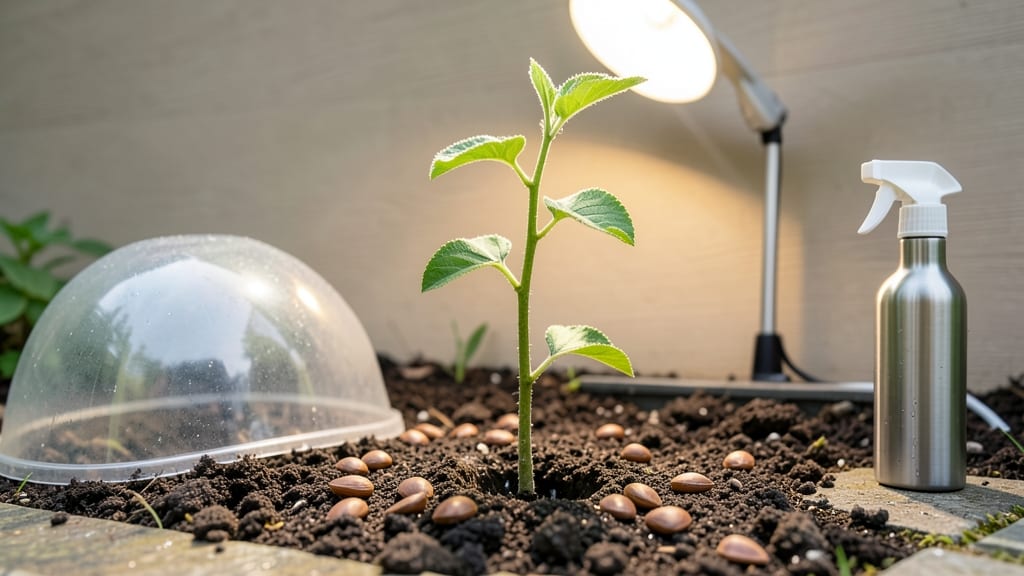
Growing apple tree seed germination is a thrilling challenge that starts with stratification—a cold trick that mimics winter and breaks dormancy. 🌱 I’ve watched tiny seeds sprout into seedlings that could one day grow into fruit-bearing trees, and the process is simpler than you’d think if you know the right steps.
The key is patience and precision: seeds need 60-90 days of cold, moist conditions before planting. Store-bought apple seeds won’t grow true to the parent tree (think wild, unpredictable varieties), but the adventure of growing your own is worth it—especially when you see those first leaves unfurl in spring.
You’ll need a mix of sand, peat moss, and a plastic bag to create the perfect cold environment. Keep it damp but not soggy, and place it in the fridge for the full stratification period. The payoff? Vigorous seedlings ready for transplanting when temperatures rise.
This method works year-round if you plan ahead, but outdoor sowing in fall can skip the fridge step. Just be prepared for slower germination—nature’s timing is its own reward.
📚 In This Guide
- What you need
- Instructions
- Tips and common mistakes
- Wrapping up and next steps
What you need
- ● Apple seeds: 5–10 fresh, viable seeds (from a preferred apple variety—avoid hybrid seeds if you want true-to-type fruit).
- ● Paper towels or dampened coffee filters: 2–3 sheets (for stratification).
- ● Plastic bag or airtight container: 1 (to maintain moisture during stratification).
- ● Small pots or seed trays: 2–4 (4–6 inches deep, with drainage holes).
- ● Well-draining potting mix: 1 bag (sterile, seed-starting blend or 50% peat/50% perlite).
- ● Spray bottle: 1 (for gentle watering).
- ● Grow lights or sunny windowsill: 1 (12–16 hours of light daily for seedlings).
- ● Refrigerator or cold stratification setup: (40–50°F / 4–10°C for 6–8 weeks).
- ○ Heating mat (optional): 1 (for faster germination, 70–75°F / 21–24°C).
- ● Humidity dome or plastic wrap: 1 (to retain moisture while waiting for sprouts).
- ● Fertilizer (balanced, low-nitrogen): 1 (e.g., 5-5-5 or fish emulsion, diluted to half-strength).
- ● Pruning shears or scissors: 1 (for transplanting or trimming seedlings).
- ● Label markers & tags: 10+ (to track seed varieties and planting dates!).
Step-by-step instructions for germinating apple tree seeds
Here's the straightforward method I've used to successfully sprout apple tree seeds—no fancy equipment, just patience and the right timing.
🌱 Step 1: Harvest and Clean the Seeds
Collect fresh apple seeds from a ripe, organic apple—store-bought varieties often contain chemicals that inhibit germination. Rinse the seeds thoroughly under cool water to remove any remaining fruit residue. I like to spread them on a paper towel to air-dry for 24 hours at room temperature. This prevents mold and prepares them for the next step.
Once dry, store the seeds in a sealed container in the refrigerator for 3-4 months. This cold stratification mimics winter conditions and breaks the seed's natural dormancy. I label the container with the apple variety and date—this way, I won’t forget which seeds I’m working with later.
💧 Step 2: Stratify the Seeds for Germination
After the cold treatment, remove the seeds and soak them in lukewarm water for 12-24 hours. This softens the seed coat and speeds up germination. You’ll know they’re ready when the outer skin starts to wrinkle slightly. Drain the water and place the seeds between two damp paper towels in a sealed plastic bag.
Store the bag in a warm, dark place—like on top of the fridge—where the temperature stays between 65-75°F. Check the towels every few days and mist with water if they feel dry to the touch. Germination can take 3-6 weeks, so be patient. You’ll see the first tiny root (radicle) emerge first, followed by the shoot.
☀️ Step 3: Plant the Sprouted Seeds
Once the seeds sprout and the shoot reaches about 1 inch tall, it’s time to plant them. Fill small pots—3-4 inches deep—with a light, well-draining potting mix. I like to use a blend of 50% potting soil and 50% perlite to keep the roots aerated. Plant each seedling 1 inch deep and gently firm the soil around it.
Place the pots in a bright, indirect light spot—like a sunny windowsill—but avoid direct sunlight at first. This prevents the seedlings from drying out or getting too hot. Water lightly from the bottom to avoid disturbing the roots, keeping the soil consistently moist but never soggy. You’ll know it’s right when the top inch feels damp but not wet.
🌿 Step 4: Transplant and Care for Young Seedlings
After 4-6 weeks, when the seedlings have developed their first true leaves and are about 4-6 inches tall, it’s time to transplant them into larger containers—6-8 inches deep. Choose a spot with partial shade to protect the tender new growth. I like to harden them off gradually by placing them outside for a few hours each day, increasing the time over 1-2 weeks.
Once they’re fully acclimated, move them to a permanent spot in the garden where they’ll receive full sun. Keep the soil moist but not waterlogged, and fertilize lightly with a balanced, organic fertilizer every 4-6 weeks during the growing season. Remember, apple trees from seeds may not produce fruit true to the parent tree, but they’re a fun experiment in patience and growth!
Tips & tricks for perfect apple tree seed germination
Patience pays off when growing apple trees from seeds—here's how to avoid the most common pitfalls and give your seedlings the best start.
Cold Stratification Matters: That 3-4 month refrigerator period is non-negotiable for breaking dormancy. I've tried skipping it, and seeds either never sprout or take twice as long. Place your seeds in a sealed container with a bit of damp paper towel to maintain moisture without creating a moldy environment. Label everything with the apple variety and date—trust me, you'll thank yourself later when you're waiting for those first sprouts.
Soaking Secrets: The 12-24 hour lukewarm soak is your signal to start. You'll know it's working when the seed coats wrinkle slightly—this means the seed is absorbing water and preparing to break through. Don't skip this step! Some people soak too long, which can actually damage the seed. I set a timer to remind myself to drain and move them to the damp paper towels promptly.
Light and Temperature Balance: Those 65-75°F temperatures during germination are crucial. Too cold and growth slows; too warm and seeds may rot. I place my germination bags on top of my fridge where it stays consistently warm. Once sprouted, move to bright indirect light—direct sun at this stage can scorch tender seedlings. A simple grow light works wonders if you don't have a good windowsill spot.
Transplanting Timing: Wait until those seedlings reach 1 inch tall before planting—this gives them enough energy reserves to handle the transplant shock. I use small pots (3-4 inches deep) with that 50/50 soil/perlite mix because it drains well while still holding enough moisture. The key is gentle handling—those tiny roots are fragile! Plant just 1 inch deep and firm the soil lightly around them to eliminate air pockets.
Pro Tips for Apple Tree Seed Germination
- Patience pays off when growing apple trees from seeds—here's how to avoid the most common pitfalls and give your seed...
- Cold Stratification Matters: That 3-4 month refrigerator period is non-negotiable for breaking dormancy. I've tried s...
- Soaking Secrets: The 12-24 hour lukewarm soak is your signal to start. You'll know it's working when the seed coats w...
Frequently asked questions
Got questions about growing an apple tree from seed? You’re not alone—this process can feel tricky at first! Below, we’ve rounded up the most common questions to help you navigate apple tree seed germination like a pro.
How long does it take for apple seeds to germinate?
With proper stratification (cold treatment), apple seeds typically sprout in 6–12 weeks. Some varieties may take longer, especially if moisture or temperature conditions aren’t ideal. Patience is key—keep them in a cool, damp environment (like a fridge) until you see tiny sprouts!
Can I plant apple seeds straight from the fruit?
Nope! Raw apple seeds won’t sprout without stratification. First, clean and dry them, then refrigerate in a damp medium (like peat moss) for 6–8 weeks to mimic winter. Skipping this step often leads to rot or no germination. Think of it as “waking up” the seed! →
What if my seeds mold or rot during stratification?
Mold or rot usually means too much moisture or poor airflow. To fix it:
- Use a well-draining medium (like perlite + peat mix).
- Store seeds in a sealed but breathable container (e.g., a mesh bag).
- Check weekly—discard any slimy or foul-smelling seeds.
Will my seed-grown apple tree produce fruit like the parent?
Probably not! Seedlings often grow into wild, unpredictable trees with different flavors, sizes, or even thorns. For consistent fruit, graft a known variety onto your seedling later. If you’re okay with surprises, enjoy the adventure—nature’s lottery!
What’s the best alternative if my seeds won’t germinate?
Try these backup methods:
- Buy grafted saplings from nurseries (guaranteed fruit!).
- Layering: Propagate from a branch of an existing tree (takes ~1 year).
- Root cuttings (best in late winter).
Pro Tip:
Label your seeds and track their stratification start date—it’s easy to lose count! A simple spreadsheet or sticky note on the fridge works.
Wrapping up and next steps
Growing an apple tree from seed is a rewarding journey that blends patience with the joy of nurturing life! 🌱 By following the right stratification and care steps, you can watch tiny seeds transform into a thriving sapling in just 90 days.
Remember, while the process takes time, each step—from chilling to planting—sets the stage for success.
Ready to take the next step? Once your seedlings sprout, transplant them into pots or directly into your garden soil, ensuring they get plenty of sunlight and water. Who knows? Your little seed could grow into the next great heirloom apple tree! 🍏✨