
Planting
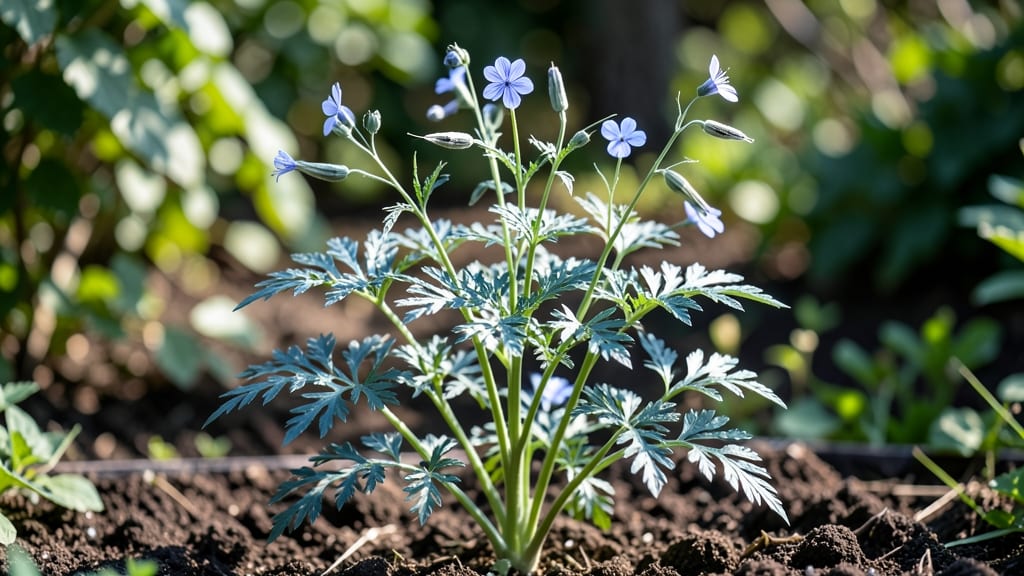
Growing the black cumin seed plant (Nigella sativa) is like cultivating a tiny sunflower with big flavor—its delicate blooms and aromatic seeds are easier than you think. 🌻 I’ve grown this self-seeding annual for years, and once established, it practically takes care of itself, producing seeds year after year with almost no effort.
The key is mimicking its native Mediterranean habitat: well-draining soil, full sun, and minimal fuss. Plant seeds directly in spring after the last frost, or even in fall for a surprise spring harvest. Spacing them 12–18 inches apart gives them room to spread without competing for nutrients.
By midsummer, you’ll have clusters of papery blue flowers that dry into seed pods—just let them mature on the plant. Harvest the seeds when the pods turn brown and brittle, then dry them in the sun for that signature earthy, nutty taste used in everything from bread to remedies.
This plant thrives in USDA zones 3–10, making it perfect for temperate climates. Even in small gardens, it’s a foolproof way to grow your own spices and attract pollinators. Ready to try?
📚 In This Guide
- What you need
- Instructions
- Tips and common mistakes
- Wrapping up and next steps
What you need
- ● Black cumin seeds (Nigella sativa) – 1–2 oz (30–60g) (organic, untreated preferred)
- ● Well-draining potting soil – 1–2 gallons (3.8–7.6L) (mix with perlite or sand for aeration)
- ● Containers or garden bed – For containers: 6–8" deep pots with drainage holes (2–4 plants per pot)
- ● For in-ground: Full-sun spot (6+ hours/day) with loose, fertile soil
- ● Watering can or spray bottle – Keep soil consistently moist but not soggy
- ○ Fertilizer (optional) – Balanced 10-10-10 or compost tea (apply lightly every 4–6 weeks)
- ○ Gloves – Protect hands from prickly stems (optional but handy!)
- ● Pruning shears – For trimming dead flowers to encourage seed production
- ● Drying rack or mesh bag – To air-dry harvested seeds (hang in a dark, dry place)
- ● Sunlight or grow lights – If indoors, ensure 12+ hours of light/day
Step-by-Step guide to growing black cumin seed plants
Here's how I cultivate this aromatic powerhouse—from seed to sun-dried harvest—with minimal fuss.
🌱 Step 1: Select and Prepare Your Planting Site
Black cumin thrives in full sun with at least 6-8 hours of direct light daily. Choose a well-draining spot in your garden bed or a container with at least 12-inch depth—this plant hates soggy roots. I always test drainage first by pouring a gallon of water into a hole; if it drains within 30 minutes, the site is perfect.
Loosen the top 6 inches of soil with a garden fork, breaking up any compacted layers. Mix in a handful of compost or aged manure to enrich the soil without overfeeding—black cumin prefers lean conditions. The ideal soil pH is slightly acidic to neutral, around 6.0-7.0. You'll know you've got it right when the soil crumbles easily between your fingers.
🌱 Step 2: Plant Seeds at the Right Depth and Spacing
Sow seeds ¼ inch deep in early spring after the last frost date, when soil temperatures reach 60°F. Space seeds 12-18 inches apart in rows 18 inches apart—this gives plants room to mature without competing for nutrients. I use a small hand trowel to make individual holes and place 2-3 seeds per hole for better germination rates.
Cover seeds lightly with soil and water gently using a fine spray nozzle. Avoid soaking the area—black cumin seeds need just enough moisture to soften their outer coating. You'll see the first sprouts in 10-20 days, depending on your climate. Thin seedlings to the strongest plant per hole once they reach 2 inches tall, using clean scissors to avoid disturbing roots.
☀️ Step 3: Maintain Consistent Watering and Light
Water black cumin plants deeply once a week during dry spells, aiming for 1 inch of water per week. Let the top 2 inches of soil dry out between waterings—overwatering leads to root rot, which this plant resists poorly. I check moisture by sticking my finger into the soil; if it feels dry at 1 inch down, it's time to water.
Mulch around plants with 1-2 inches of straw or wood chips to retain moisture and suppress weeds. Avoid piling mulch against stems—keep it 2 inches away to prevent rot. Black cumin is drought-tolerant once established, but young plants need consistent moisture. You'll know they're thriving when they develop deep green, lance-shaped leaves and a sturdy stem.
✂️ Step 4: Harvest and Dry Seeds for Year-Round Use
Harvest begins when the plant's lower leaves yellow and the stems turn brown and papery, usually 90-120 days after planting. Cut the entire plant at the base with pruning shears and bundle stems together. Hang bundles upside down in a dry, well-ventilated area away from direct sunlight—this prevents mold while allowing seeds to dry evenly.
After 2-3 weeks, the seed pods will open naturally. Rub the dried stems between your hands to release the tiny, dark seeds. Store seeds in an airtight container in a cool, dark place for up to 2 years. You'll know they're ready for storage when they rattle easily in the pods and smell intensely aromatic.
🌿 Step 5: Overwintering and Year-Round Care
Black cumin is an annual, but you can extend harvests by planting successive crops every 4-6 weeks in warm climates. In colder regions, start seeds indoors 6-8 weeks before the last frost for early harvests. I've found that transplanting seedlings 3-4 inches tall gives them a head start in cooler weather.
Fertilize lightly with a balanced organic fertilizer (10-10-10) at planting and again when flowers appear, but avoid heavy feeding—black cumin prefers nutrient-poor soil. Watch for aphids or spider mites; a strong spray of water usually dislodges them. With proper care, you'll enjoy 4-6 harvests per year from successive plantings.
Tips & tricks for cultivating black cumin seed plants
These practical insights will help you maximize your harvest and avoid common pitfalls with this aromatic powerhouse.
Soil Preparation Secret: The 6-inch soil loosening in Step 1 is crucial for root development. I've found that adding a thin layer of coarse sand to heavy clay soils improves drainage dramatically—just mix in about 10% sand by volume. This mimics the plant's natural preference for well-draining conditions while preventing compaction. The 30-minute drainage test is your best friend here; if water pools after 30 minutes, amend with more organic matter or consider raised beds.
Germination Boost: For that critical 10-20 day germination window in Step 2, try soaking seeds overnight in warm water before planting. This softens the hard seed coat and speeds up sprouting. I also recommend planting in blocks rather than rows—this creates a more uniform canopy and makes thinning easier. When thinning to 2-inch seedlings, leave the strongest plant per hole and snip the others at soil level to avoid disturbing roots of your keepers.
Watering Wisdom: The once-weekly watering guideline in Step 3 works beautifully, but I've learned to adjust based on rainfall. In my region, we get 1-2 inches of rain every 2-3 weeks during growing season, so I often skip watering after heavy rains. For containers, use pots with drainage holes and water when the top 2 inches feel completely dry—black cumin's drought tolerance kicks in after the first month of growth.
Harvest Timing: That 90-120 day window in Step 4 can feel like an eternity, but there's a simple trick: watch the flowers first. When about 20% of flowers have turned brown and crispy, your plants are ready. I harvest in batches every 2-3 days to extend the season—just cut stems when they start yellowing at the base. The 2-3 week drying time is flexible; I've had perfect results with 10 days in a well-ventilated garage during cool weather.
Pro Tips for Black Cumin Seed Plant
- These practical insights will help you maximize your harvest and avoid common pitfalls with this aromatic powerhouse.
- Soil Preparation Secret: The 6-inch soil loosening in Step 1 is crucial for root development.
- Germination Boost: For that critical 10-20 day germination window in Step 2, try soaking seeds overnight in warm water before planting.
Frequently asked questions
Got questions about growing and harvesting black cumin seed plants? Here are some of the most common ones—and their answers—to help you get started on your sun-dried seed adventure!
How long does it take for a black cumin seed plant to mature?
A black cumin seed plant typically matures in 90 to 120 days after sowing, depending on climate and growing conditions. In warmer regions, you might see faster growth, while cooler areas may extend the timeline slightly. Keep an eye out for seed pods forming—this is your cue that harvest time is near!
Can I grow black cumin seeds indoors?
Yes, but with some adjustments! Black cumin thrives in full sun (6+ hours daily), so if you’re growing indoors, place it near a south-facing window or under grow lights. A sunny balcony or greenhouse also works well. Just ensure good airflow to prevent mold, and use pots with drainage holes. Patience is key—indoor plants may take longer to mature.
When is the best time to harvest black cumin seeds?
Harvest when 70-80% of the seed pods turn brown and dry but before they split open. Use sharp scissors to snip the stems, then spread the pods in a well-ventilated, dry area (like a tray under the sun) for 1-2 weeks. Once fully dry, gently rub the pods to release the seeds. Avoid harvesting too early—they won’t store well!
What can I do if my black cumin plants aren’t flowering?
Lack of flowers? Check these fixes:
- Light: Ensure it gets 6+ hours of direct sunlight daily.
- Soil: Use well-draining, slightly alkaline soil (pH 7.0-8.0). Amend with compost if needed.
- Water: Avoid overwatering—black cumin prefers moderate moisture and hates soggy roots.
- Fertilizer: A light dose of phosphorus-rich fertilizer (like bone meal) can encourage blooming.
Are there any alternatives to black cumin seeds for similar benefits?
If you’re looking for similar health benefits, try these seed alternatives:
- Fenugreek seeds: Rich in nutrients, supports digestion, and has a slightly bitter taste.
- Flaxseeds: Packed with omega-3s and fiber, great for heart health.
- Sesame seeds: High in calcium and antioxidants, versatile in cooking.
- Nigella sativa (black cumin’s cousin): Nearly identical in flavor and benefits!
Wrapping up and next steps
The black cumin seed plant is a true gift from nature—packed with year-round potential and remarkable benefits! Whether you're growing it for its medicinal properties, culinary uses, or simply to enjoy its hardy resilience, this plant proves that small seeds can yield big rewards. 🌱
Ready to take the next step? Start small—plant a few seeds in your garden or balcony, and let their magic unfold. With patience and care, you’ll soon be harvesting sun-dried seeds to enjoy (or share!) all year long. Your journey begins today!