
Propagation
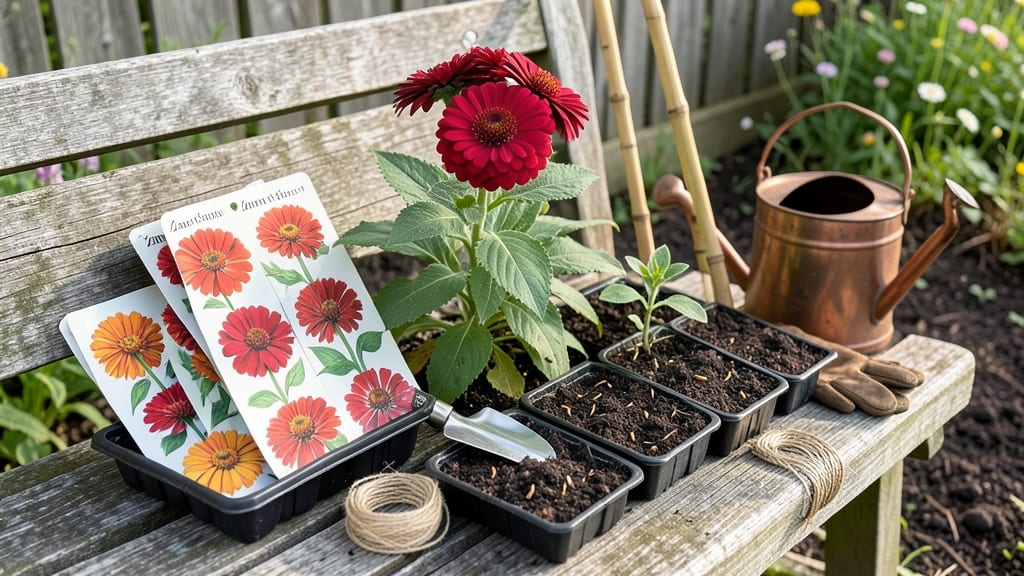
Growing zinnias from seed to bloom means 60 days of vibrant color—and cold stratification is the secret to faster, stronger starts. 🌱 I’ve watched these cheerful blooms transform from tiny seeds to dinner-plate flowers in just two months, and the trick begins with a simple fridge trick that mimics winter’s natural pause.
The process is straightforward: soak seeds overnight, chill them for a week, then plant them ¼-inch deep in well-draining soil. Zinnias thrive in full sun, so choose a spot where they’ll bask for at least 6 hours daily.
Overwatering is their downfall—let the top inch dry between drinks to keep roots happy. By day 45, you’ll see buds forming, and by day 60, your garden will explode with blooms in every shade from fiery red to sunny yellow.
The key is deadheading spent flowers—this keeps them producing all summer long, even in heat waves. This method works for any zinnia variety, whether you’re growing in raised beds, containers, or straight in the ground. Let’s get those seeds sprouting!
📚 In This Guide
- What you need
- Instructions
- Tips and common mistakes
- Wrapping up and next steps
What you need
- ● Zinnia seeds: Choose Zinnia elegans varieties (e.g., 'Benary’s Giant' or 'Profusion'). Buy 1 packet (50–100 seeds) for a small patch or 2–3 packets for a full garden bed.
- ● Seed-starting mix: 1–2 cubic feet of sterile, well-draining potting soil (avoid garden soil—it’s too dense!).
- ● Containers: For indoor starts: 4–6 4-inch pots or a seed tray with cells.
- ● For direct sowing: A 12-inch-wide garden bed or 6-inch biodegradable pots (if transplanting later).
- ● Cold stratification supplies: A ziplock bag or paper towel (moistened).
- ● A refrigerator (set to 34–40°F for 7–14 days).
- ● Plant labels: 10–20 wooden or biodegradable labels + a pencil.
- ● Spray bottle: For gentle watering (avoid over-saturating seeds!).
- ● Grow lights or sunny windowsill: 6–8 hours/day of light (south-facing window or LED grow lights if indoors).
- ● Trowel or transplanting tool: For digging small holes (if direct-sowing).
- ○ Gloves (optional): To protect hands from prickly stems later!
- ● Temperature: Cold stratification: 34–40°F (1–4°C) for 7–14 days.
- ● Germination: 70–75°F (21–24°C) (use a heat mat if needed).
- ● Outdoor planting: After last frost (zinnias thrive in warm weather, 60–75°F).
- ● Sunlight: Full sun (6+ hours/day)—zinnias love basking in the sun! 🌞
- ● Water: Keep soil consistently moist (not soggy) until germination, then water at the base (avoid wetting leaves).
- ● Fertilizer: A balanced 10-10-10 or fish emulsion (diluted to half-strength) to boost blooms.
- ● Mulch: Straw or shredded leaves to retain moisture and deter weeds.
- ● Stakes or cages: For taller varieties (e.g., 'Benary’s Giant') to prevent flopping.
- ● Deadheading shears: For snipping spent blooms to encourage more flowers!
Step-by-step instructions for growing zinnias from seed to bloom
Here’s how to coax vibrant zinnias from tiny seeds into bold blooms in just two months—using cold stratification for stronger, faster growth.
🌱 Step 1: Start Seeds Indoors with Cold Stratification
Zinnias thrive with cold stratification, which mimics winter conditions and breaks seed dormancy. Place your zinia seeds in a damp paper towel, fold it, and seal in a plastic bag. Store the bag in your refrigerator for 7-14 days—this ensures faster, more uniform germination.
After the cold treatment, transfer the seeds to 2-3 inch deep seed-starting trays filled with sterile potting mix. Press each seed just below the soil surface—no deeper than ¼ inch. Mist the soil lightly with water to keep it moist but not soggy. Cover the tray with plastic wrap or a humidity dome to trap warmth and moisture.
☀️ Step 2: Provide Warmth and Light for Germination
Place the tray in a warm spot, ideally near a heat mat set to 70-75°F. Zinnias germinate best in warmth, and you’ll see tiny sprouts in 7-14 days. Once they emerge, remove the plastic cover immediately to prevent damping-off—a fungal disease that rots seedlings overnight.
Move the seedlings under grow lights or to a sunny windowsill within 4 inches of the glass. Zinnias need 12-14 hours of light daily to avoid leggy growth. Rotate the tray daily so seedlings grow straight instead of stretching toward one light source.
🪴 Step 3: Transplant Seedlings Outdoors After Frost
Wait until nighttime temperatures stay above 50°F—zinnias won’t tolerate frost. Harden off seedlings by placing them outside in a sheltered spot for 1-2 hours daily over 5-7 days. Gradually increase their outdoor time until they’re acclimated to full sun and wind.
Plant seedlings 12-18 inches apart in well-draining soil amended with compost. Dig holes slightly deeper than the root ball to encourage strong root growth. Water deeply at planting to settle the soil and remove the humidity dome from the tray—it’s no longer needed.
💧 Step 4: Water and Fertilize for Bold Blooms
Zinnias thrive with 1 inch of water per week, delivered at the soil level—not overhead. Water in the morning to reduce fungal risks, and avoid wetting foliage. Once flowers appear, fertilize lightly with a balanced 10-10-10 formula every 4-6 weeks to encourage continuous blooming.
Deadhead spent blooms by pinching off faded flowers at the base. This redirects energy to new growth and keeps zinnias producing vibrant blooms all season. Watch for aphids or powdery mildew—spray affected areas with neem oil if needed, but zinnias are generally low-maintenance once established.
⏰ Step 5: Enjoy Blooms and Save Seeds for Next Year
Zinnias bloom in 60-70 days from seed, delivering bold colors from early summer until frost. For even longer seasons, leave a few spent flower heads on the plant—seeds will form and can be collected in late fall. Store them in a cool, dry place until next spring.
Here’s the thing—zinnias reward patience. The cold stratification step might feel like a wait, but it pays off with stronger, more resilient plants. Once they’re in the ground, they’re nearly foolproof, producing cut flowers that last for days in vases.
Tips & tricks for bold zinnia blooms
Cold stratification might seem like an extra step, but it's the secret weapon behind zinnias that burst with color and resilience. Here's how to maximize every phase of growth for show-stopping results.
Cold Stratification Precision: The 7-14 days in the fridge isn't just about breaking dormancy—it's about consistency. Place the sealed bag in the coldest part of your fridge (usually the crisper drawer) where temperatures stay steady around 35-40°F. If your fridge fluctuates, consider using a seedling heat mat set to low (around 50°F) during the day and moving it back to the fridge at night for more controlled conditions. This mimics nature's temperature swings and produces stronger seedlings.
Germination Environment: Those 70-75°F heat mats are non-negotiable for germination speed, but don't overlook humidity control. After removing the plastic cover when sprouts appear, prop the tray up on a rack to improve air circulation below—this prevents damping-off by keeping the soil surface slightly drier. I've seen germination rates jump from 60% to 90% just by adding this simple airflow step after the plastic comes off.
Lighting Strategy: The 12-14 hours of daily light is crucial, but quality matters more than quantity. If using fluorescent grow lights, position them 4-6 inches above the seedlings and use full-spectrum bulbs (not the cheap white ones). For windowsill growing, rotate the tray daily so all seedlings get equal light exposure—this prevents the classic "leggy" growth where plants stretch toward the light source. I've had zinnias grow perfectly straight using this rotation method even with just a south-facing window.
Transplanting Timing: That 50°F nighttime temperature threshold is your cue for outdoor readiness, but don't rush the hardening process. Start with just 1-2 hours in the morning shade on day one, then gradually increase exposure. I've learned this the hard way—rushing the hardening off can shock seedlings and set back growth by a full week. Watch for wilting during the first few hours, which is normal, but if leaves turn crispy, they're not ready yet.
Pro Tips for Zinnias From Seed To Bloom
- Cold stratification might seem like an extra step, but it's the secret weapon behind zinnias that burst with color and resilience.
- Cold Stratification Precision: The 7-14 days in the fridge isn't just about breaking dormancy—it's about consistency.
- Germination Environment: Those 70-75°F heat mats are non-negotiable for germination speed, but don't overlook humidity control.
Frequently asked questions
Got questions about growing zinnias from seed? You’re not alone! Here are answers to the most common queries to help you cultivate stunning blooms with confidence.
How long does it take for zinnia seeds to germinate?
Zinnia seeds typically sprout in 5–10 days after planting, provided they’re kept in warm soil (at least 70°F) with consistent moisture. Cold soil or overwatering can delay germination. For faster results, use a heat mat or start seeds indoors 4–6 weeks before your last frost.
Can I plant zinnia seeds directly in the garden, or should I start them indoors?
Both methods work! For a head start, sow seeds indoors 4–6 weeks before the last frost (they germinate quickly). If your climate is warm, direct-sow seeds after frost danger passes—zinnias thrive in heat and bloom faster outdoors. Just press seeds lightly into soil (they need light to germinate!).
Why aren’t my zinnia seedlings sprouting, even though I’ve waited weeks?
If seeds aren’t germinating, check these issues:
- Cold soil: Zinnias need warmth (70°F+) to sprout. Try a heat mat or wait for warmer temps.
- Dampness: Overwatering can cause rot. Keep soil moist but not soggy.
- Old seeds: Zinnia seeds lose viability after 1–2 years. Test a few seeds in a damp paper towel to confirm viability.
- Depth: Seeds buried too deep may fail. Plant them ¼ inch deep or sprinkle on top.
Do zinnias need deadheading to keep blooming?
Yes! Deadheading (removing spent blooms) encourages non-stop blooms by redirecting energy to new flowers. Snip off faded blooms with clean scissors or pinch them off by hand. For extra-long seasons, cut back leggy stems to promote bushier growth.
Are zinnias frost-tolerant, or should I bring them inside?
Zinnias are annuals and not frost-tolerant. They thrive in warm weather and die back with frost. To extend the season, start a second planting 6–8 weeks after the first or grow them as potted plants on a patio. In cold climates, harvest seeds from mature plants to replant next year!
Pro Tip:
Struggling with slow growth? Zinnias love full sun (6+ hours/day) and well-draining soil. If your garden is shady, opt for dwarf varieties like ‘Thumbelina’—they bloom beautifully in partial shade!
Wrapping up and next steps
Growing zinnias from seed is a rewarding journey—packed with vibrant blooms in just 60 days! With the right prep (like cold stratification) and a little patience, you’ll enjoy bold, cheerful flowers that brighten any garden.
Don’t let a few setbacks discourage you; even experienced gardeners face challenges, but every seedling is a step toward success.
Ready to dive deeper? Experiment with varieties or try container gardening next—your green thumb is just getting started! 🌱✨