
Size
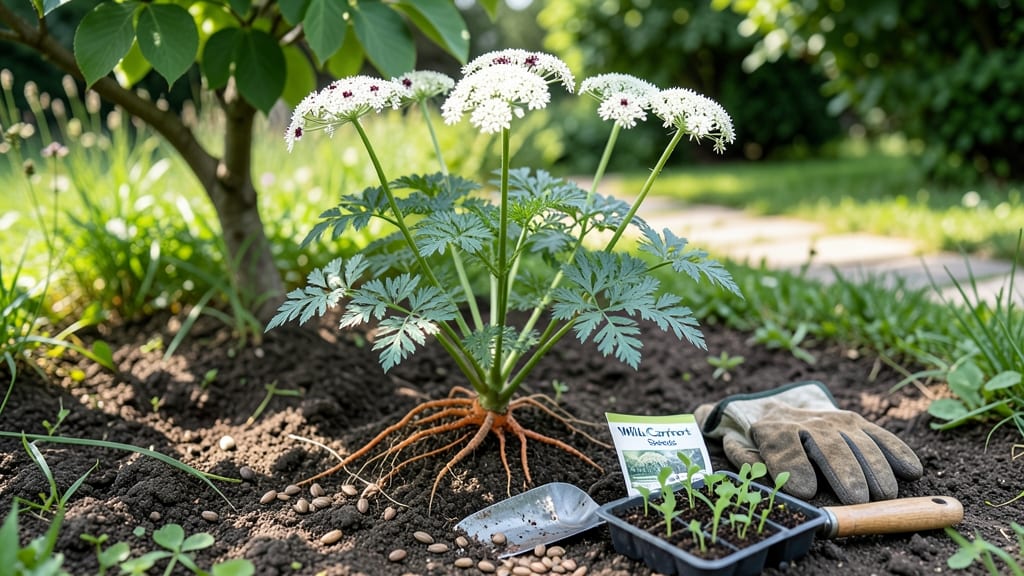
Growing a wild carrot seed in a garden starts with a cold stratification trick that ensures reliable blooms. 🌱 I learned the hard way—skipping this step means waiting months for germination, if it ever happens.
These seeds need winter’s chill to break dormancy, and recreating that in your fridge is the secret to success. The process is simple: mix seeds with damp sand, seal in a bag, and refrigerate for 4-6 weeks.
After that, direct-sow in well-drained soil with full sun, spacing seeds 12 inches apart. Thin seedlings to 18 inches once they’re 4 inches tall—this prevents overcrowding and bolting. You’ll see lacy white flowers by midsummer, followed by edible roots (if you harvest young) and seeds for next year.
The key is patience: wild carrots grow slower than garden varieties but reward you with hardy, drought-tolerant plants that thrive in poor soil. Common challenges? Weeds and bolting. Mulch early to suppress weeds, and avoid overwatering—wild carrots hate soggy roots.
The edible roots are best when harvested small, while the seeds are the real prize for self-sufficiency.
📚 In This Guide
- What you need
- Instructions
- Tips and common mistakes
- Wrapping up and next steps
What you need
- ● Wild carrot seeds: Purchase organic, non-GMO seeds (aim for Daucus carota varieties). 1–2 grams (about 200–400 seeds) is plenty for a small garden patch.
- ● Cold stratification supplies: Ziplock bag or breathable paper towel
- ● Moistened peat moss, sand, or paper towels (enough to cover seeds)
- ● Refrigerator or cold frame (maintain 33–41°F (1–5°C) for 4–8 weeks)
- ● Garden soil: Well-draining, loamy soil with a pH of 6.0–7.0. Mix in compost for nutrients (aim for 2–3 inches of topsoil).
- ● Sunlight access: Full sun (6+ hours daily) or partial shade (4–6 hours).
- ● Hand trowel or transplanting tool (for seed planting)
- ● Watering can with a fine rose nozzle (gentle watering prevents seed displacement)
- ● Mulch (straw or shredded leaves) to retain moisture and suppress weeds
- ● Row markers or labels (wild carrots may self-seed unpredictably!)
- ● Organic fertilizer (balanced 10-10-10 or compost tea for established plants)
- ● Pruners or scissors (for harvesting seed heads later)
How to grow wild carrots from seed using cold stratification
Cold stratification unlocks wild carrot germination—here's how to break dormancy and grow a thriving garden.
🌱 Step 1: Collect and Prepare Wild Carrot Seeds
Harvest mature wild carrot seeds (Daucus carota) from plants in late summer when seed heads turn brown. Gather seeds into a paper bag and let them dry completely for 1-2 weeks in a cool, dry place. This mimics their natural drying period before stratification.
Wild carrot seeds have a hard outer coating that requires cold treatment to soften. Once dry, store them in a sealed container with a damp paper towel at the bottom. The seeds must stay moist but not soggy—think of a wrung-out sponge. This setup creates the ideal environment for stratification.
❄️ Step 2: Stratify Seeds for 4-6 Weeks
Place the container of seeds in your refrigerator's crisper drawer, where temperatures hover around 35-40°F. Check weekly to ensure the paper towel remains damp. If it dries out, mist lightly with water and reseal the container.
Stratification breaks seed dormancy by simulating winter conditions. You'll see tiny cracks in the seed coats after 3-4 weeks—that's your signal the process is working. Don't rush this step; incomplete stratification results in slow or uneven germination.
🌿 Step 3: Sow Stratified Seeds in Early Spring
Wait until 2-3 weeks before your last frost date to sow seeds outdoors. Wild carrots thrive in poor soil, so choose a sunny spot with well-draining earth. Scatter seeds ¼ inch deep and space them 6-8 inches apart—they self-seed aggressively if given room.
Cover lightly with soil and water gently to avoid disturbing seeds. A light mulch of straw helps retain moisture while preventing crusting. You'll notice first true leaves in 2-3 weeks, though germination can take up to 4 weeks in cooler climates.
☀️ Step 4: Provide Full Sun and Minimal Care
Wild carrots need 6+ hours of direct sun daily but tolerate drought once established. Water seedlings deeply once weekly unless rainfall provides 1 inch of moisture. Overwatering causes rot—these plants evolved in dry meadows, not bogs.
Thin seedlings to 12 inches apart when they reach 3 inches tall. The strongest stems will produce the most robust plants. You'll see feathery foliage emerge by late spring—a sure sign your carrots are thriving.
✂️ Step 5: Harvest Seeds for Next Year's Garden
Allow some plants to flower and go to seed for natural propagation. When seed heads form, cut entire stems and hang them upside down in paper bags. Seeds will mature in 2-3 weeks and can be stored for future planting.
Wild carrots self-seed prolifically, so you'll likely find volunteers popping up year after year. This hardy biennial rewards patience with 3-4 feet tall flowering stems that attract pollinators—making it a perfect addition to any wildflower meadow.
Tips & tricks for perfect wild carrot seed germination
These little-known strategies will help you bypass common pitfalls and get your wild carrots sprouting reliably every time.
Seed Drying Secret: The 1-2 week drying period in Step 1 isn't just about removing moisture—it's about hardening the seed coats. I learned this the hard way after planting seeds that were still slightly damp, which led to mold. Spread them out in a single layer on a paper towel in a well-ventilated spot. A fan on low helps speed this up safely without damaging the seeds.
Stratification Temperature Tip: While 35-40°F is ideal, your refrigerator's crisper drawer might actually be colder. Use a thermometer to confirm—wild carrot seeds need consistent cold, not freezing. If your fridge runs cooler, move the container to a slightly warmer spot like the main fridge shelf. The goal is steady dormancy-breaking, not flash-freezing.
Germination Timing: Those 2-4 weeks for first leaves to appear might seem long, but wild carrots evolved to wait for perfect conditions. If you're impatient, check for cracks in the seed coats at the 3-week mark—this is your first sign of success. In cooler climates, extend your patience to the full 4 weeks rather than rushing and risking weak seedlings.
Sunlight Strategy: Wild carrots need that 6+ hours of direct sun, but their seedlings are surprisingly resilient. If your garden gets partial shade, don't worry—just plant them where they'll get the most sun possible. I've had great success with them in areas that get morning sun and afternoon shade, though the flowering stems will be slightly shorter without full sun all day.
Pro Tips for Wild Carrot Seed Grow A Garden
- These little-known strategies will help you bypass common pitfalls and get your wild carrots sprouting reliably every time.
- Seed Drying Secret: The 1-2 week drying period in Step 1 isn't just about removing moisture—it's about hardening the seed coats.
- Stratification Temperature Tip: While 35-40°F is ideal, your refrigerator's crisper drawer might actually be colder.
Frequently asked questions
Got questions about growing wild carrots from seed? You’re not alone—this hardy plant has a few quirks! Here are answers to the most common queries to help you cultivate a thriving patch of Daucus carota with ease.
Do wild carrots need cold stratification to grow?
Yes! Wild carrot seeds (Daucus carota) require cold stratification to break dormancy. Either sow them outdoors in fall/winter or mimic nature by chilling seeds in the fridge (moist paper towel, 30–60 days at 33–41°F). This step ensures strong, reliable germination—skipping it often leads to spotty or slow growth.
How long does it take for wild carrot seeds to germinate?
With proper cold stratification, expect germination in 10–21 days after sowing. In ideal conditions (warm soil, consistent moisture), seedlings may pop up faster. Be patient—some seeds take longer, especially in cooler climates. Thin seedlings to 12–18 inches apart to avoid competition.
Can I grow wild carrots in containers or just in the ground?
Wild carrots thrive in containers (5+ gallon pots) or in-ground gardens. Use well-draining soil (sandy loam is ideal) and ensure pots have drainage holes. For containers, place them in full sun and keep soil lightly moist. Just avoid overcrowding—roots spread aggressively!
Why aren’t my wild carrots flowering?
Wild carrots need time and space to bloom. If they’re not flowering, check these fixes:
- Age: Plants typically flower in their second year (or first year if sown early).
- Light: Ensure they get 6+ hours of sun daily.
- Nutrients: Light fertilizer (like compost) can encourage blooms.
- Pests: Aphids or carrot rust flies may stress plants—use neem oil if needed.
Are wild carrots edible, and how do they compare to garden carrots?
Yes! Wild carrots are edible but not as sweet or tender as cultivated carrots. The roots are small, woody, and bitter, but young leaves and flowers are great for teas or garnishes. For eating, stick to domestic carrots—wild varieties are better for pollinators and ornamental gardens!
Wrapping up and next steps
Growing wild carrot seeds with cold stratification is your ticket to vibrant, self-seeding blooms that thrive with minimal effort! 🌱 By mimicking nature’s timing—chilling seeds before planting—you’ll unlock stronger roots, faster germination, and years of effortless beauty.
Whether you’re a beginner or a seasoned gardener, this method proves that patience pays off in wild, pollinator-friendly abundance.
Ready to turn your garden into a wildflower paradise? Start small—try a single patch this season, then expand as confidence (and blooms!) grow. Grab your seeds today and let nature do the rest!