
Lawn
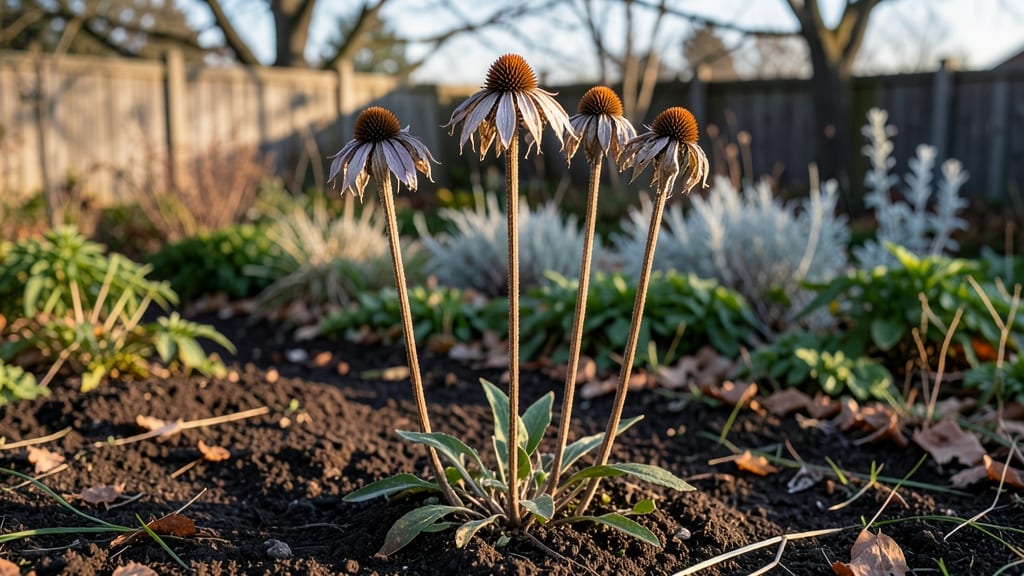
Harvesting coneflower seed heads is the secret to next year’s boldest blooms—no fuss, just reliable results. 🌻 After the petals fade, those spiky centers hold the promise of new plants, and knowing when to collect them makes all the difference.
I’ve saved seeds from my purple coneflowers for three seasons now, and the trick is simple: wait until the seed heads turn a deep brown and the back of the cone feels dry to the touch.
The best part? You don’t need fancy tools—just clean scissors and a dry paper bag. Cut the seed heads when they’re fully mature but before they release seeds on their own, usually in late fall or early winter.
Store them in a cool, dry place until spring, and you’ll have fresh plants ready to replant without buying new ones. This method saves money and guarantees the exact colors and varieties you love.
Once you’ve collected your seeds, you can leave the old seed heads standing for winter interest or cut them back for a tidy look. Either way, you’re supporting pollinators and birds while ensuring your garden stays vibrant.
Next year’s coneflowers will be even more robust, with stronger stems and bigger blooms—all thanks to a little patience and the right timing.
If you’re new to seed saving, don’t worry—it’s harder to mess up than you think. Just avoid harvesting seeds from hybrid plants if you want them to come true, and always label your bags so you remember what’s what.
With these simple steps, you’ll have a steady supply of coneflowers for years to come, all while adding beauty and life to your garden.
📚 In This Guide
- What you need
- Instructions
- Tips and common mistakes
- Wrapping up and next steps
What you need
- ● Mature coneflower seed heads: Choose fully browned, dry heads (usually late summer/fall). Aim for at least 10-15 heads for a decent seed supply.
- ● Pruning shears or sharp scissors: Clean, sterilized (70% isopropyl alcohol wipe) to prevent disease spread.
- ● Paper bags or breathable mesh sacks: 2-3 medium-sized bags (12"x15" or larger) for drying seeds.
- ○ Newspaper or cardboard: For a drying tray (optional but helpful for bulk harvests).
- ● Permanent marker: To label bags with variety name + harvest date.
- ○ Small fan or dehumidifier: (Optional but highly recommended for speedy drying in humid climates.)
- ● Seed-saving envelope: For long-term storage (e.g., Amana brand paper envelopes).
- ● Fine mesh screen: To sift seeds from chaff post-drying.
- ● Humidity pack: Silica gel packets to absorb moisture during storage.
- ● Gloves: If handling large quantities (thistly seed heads can be prickly!).
- ● Digital scale: For weighing seeds (helpful for large-scale saving).
Instructions for harvesting coneflower seed heads
Here's how to save seeds from your coneflowers for next season without the fuss.
🌿 Step 1: Wait for Seed Heads to Mature Fully
Leave the spent blooms on the plant until they turn brown and papery—this usually happens in late fall after the first frost. The seed heads will dry out completely, and the fluffy purple centers will become more pronounced. You'll know they're ready when you can gently rub them and see seeds falling out.
Don't rush this step. If you harvest too early, the seeds won't be fully developed, and you'll end up with poor germination rates. I like to wait until the first hard frost has passed, as this helps ensure the seeds are mature and viable. Once the seed heads are dry, they can stay on the plant for weeks without harming the plant.
✂️ Step 2: Cut the Seed Heads at the Right Time
Use clean pruning shears to snip the dried seed heads just above the first set of leaves or where the stem meets the plant. This prevents moisture from the stem from spoiling the seeds. I always cut on a dry day to avoid introducing any dampness that could encourage mold.
Place the cut seed heads in a paper bag (not plastic) and tie the top loosely. This allows airflow while keeping seeds contained. If you skip this step and leave them in a sealed container, the seeds may sweat and spoil. Label each bag with the coneflower variety and the year—trust me, you'll forget by spring!
🪴 Step 3: Dry and Store the Seed Heads Properly
Let the seed heads dry in a cool, dry place for 1-2 weeks. This could be a well-ventilated garage, shed, or even a sunny windowsill. You'll know they're fully dry when the seeds rattle inside the bag when shaken. If you're impatient, you can speed this up by placing them in a low-heat oven at 150°F for 1-2 hours—just check them often to avoid overheating.
Once completely dry, remove the seed heads from the bag and gently break them apart to release the seeds. Store the seeds in a small envelope or airtight container in a cool, dark place (like a pantry or seed storage box). Coneflower seeds stay viable for 2-3 years, so you'll have plenty for future plantings.
🌱 Step 4: Test a Few Seeds Before Full Planting
Before you sow all your saved seeds, test a few to confirm they're still good. Plant 3-5 seeds in a small pot with well-draining soil and keep them in a warm, sunny spot. If they germinate within 2-3 weeks, your seeds are ready for next season's garden. If not, you may need to collect fresh seeds or source new ones.
This step saves you from the disappointment of planting dozens of seeds only to have them fail to sprout. I always do this test in early spring, so I know exactly when and how to plant the rest of my seeds. It's a small effort that pays off big time in the long run.
Tips & tricks for perfect coneflower seed harvesting
These little tricks will help you avoid common mistakes and get the most reliable seeds for next season.
Timing Secret: The first frost isn't just a signal—it's your cue to wait one more week. I've learned that seeds need that extra time after frost to fully mature. Look for the seed heads to become completely dry and papery, almost like they're ready to crumble. If you harvest too soon, your germination rates will drop dramatically—trust me, I've made this mistake twice with sad results.
Cutting Technique: When you're ready to cut in Step 2, use clean pruning shears and make your snip just above the first set of leaves. This small detail prevents moisture from the stem from spoiling your seeds. I always cut on a dry morning when the dew has evaporated completely. Pro tip: Wear gloves—those dried seed heads can be surprisingly prickly!
Drying Strategy: For that 1-2 week drying period in Step 3, I recommend spreading your paper bags in a single layer on a mesh rack or screen. This allows airflow on all sides, which speeds up the drying process. If you're really impatient, the 150°F oven trick works great, but check every 15 minutes to avoid overheating. You'll know they're ready when the seeds rattle like tiny maracas inside the bag.
Storage Wisdom: Once your seeds are fully dry, store them in small envelopes with the date clearly marked. I like to add a tiny label with the coneflower variety too—it's amazing how quickly those details get forgotten! Store them in a cool, dark place like your pantry, and they'll stay viable for up to 3 years. The key is keeping them completely dry—any moisture will cause mold and ruin your seeds.
Pro Tips for Coneflower Seed Heads
- These little tricks will help you avoid common mistakes and get the most reliable seeds for next season.
- Timing Secret: The first frost isn't just a signal—it's your cue to wait one more week.
- Cutting Technique: When you're ready to cut in Step 2, use clean pruning shears and make your snip just above the first set of leaves.
Frequently asked questions
When is the best time to harvest coneflower seed heads?
Harvest seed heads once they’ve fully matured and turned brown (usually late summer to early fall). Wait until the center cones are dry and brittle—this ensures viability. Avoid harvesting too early, or seeds won’t be ready for planting!
Can I save seeds from hybrid coneflowers for next year?
Hybrid coneflowers (like ‘Magnus’ or ‘PowWow White’) may not produce true-to-type blooms if you save seeds. For consistent colors, opt for heirloom varieties or buy fresh seeds. If you’re okay with surprises, go ahead—experimenting can be fun!
Will harvesting seed heads affect next year’s blooms?
Not at all! Deadheading (removing spent blooms) encourages more flowers, but leaving seed heads on some stems ensures pollinators have food and you get seeds. Balance is key—harvest a few, leave a few, and enjoy the cycle!
How do I store coneflower seeds for planting?
Once harvested, let seeds dry in a warm, dry place for 1–2 weeks. Store them in a paper envelope or airtight container in a cool, dark spot (like a fridge). Label with the date—most stay viable for 1–2 years with proper care!
What if birds or squirrels eat my seed heads before I can harvest?
Don’t worry—it’s a sign your garden is thriving! To protect seeds, cover heads with mesh bags or netting. Alternatively, harvest earlier (when cones are still green but firm) and dry them indoors. Nature’s snack time is real, but you can outsmart it!
Wrapping up and next steps
Harvesting coneflower seed heads is a simple yet rewarding way to ensure vibrant blooms next season—no green thumb required! 🌼 With just a few tools and a little patience, you can collect seeds effortlessly and share the beauty of these hardy perennials with fellow gardeners. Ready to dive in? Grab your pruners, head to your garden, and start your stress-free seed-saving journey today!
💡 Next step: Mark your calendar for late summer or early fall—peak seed maturity—and get ready to turn those dried seed heads into next year’s showstoppers!