
Propagation
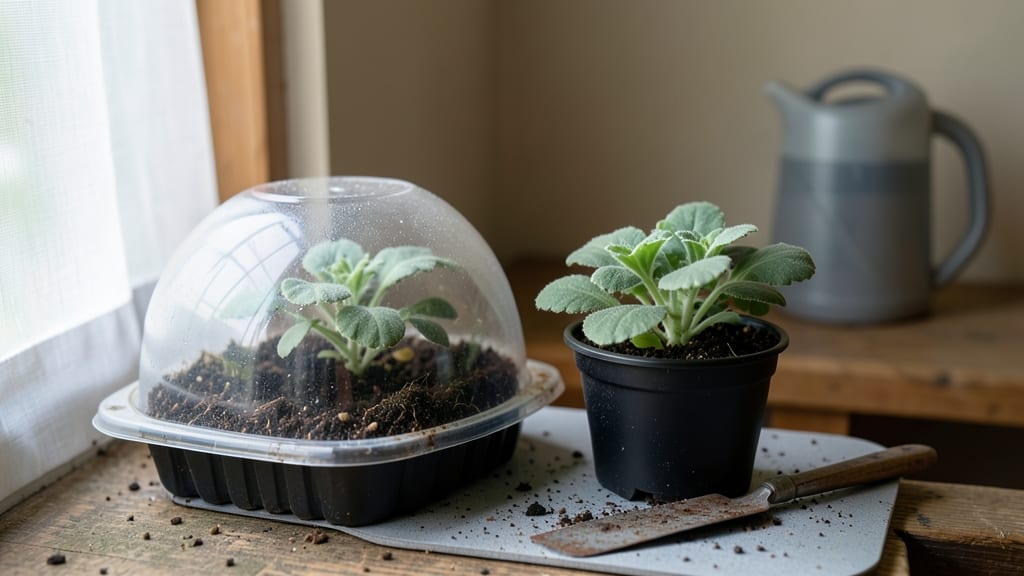
Starting mums from seed indoors 8–10 weeks before your last frost is the secret to vibrant fall blooms that outshine store-bought plants.
Picture this: You’ve got a seed tray full of tiny 🌼 sprouts, but if you plant them too early, they’ll stretch like overgrown noodles by transplant time. Too late, and frost will nip them before they even think about blooming.
The right timing—calculated by your USDA zone—means the difference between a garden full of color and a sad, leggy disappointment.
For most gardeners in Zone 6a (like me!), that means cracking open those seed packets in late February or early March. But zones farther north or south? You’ll need to adjust—sometimes by weeks—to match your local frost dates.
I’ll walk you through the exact dates for your zone, plus pro tips to give your seedlings the strongest start.
You’ll learn how to time your indoor start for hardy transplants, avoid common pitfalls like weak stems or slow germination, and even extend your bloom season with a few clever tricks. Let’s get those mums off to the right start—because fall color deserves a head start!


Optimal indoor start dates for mums by USDA planting Zone
Growing mums from seed indoors gives you a head start on vibrant fall blooms, but the timing depends entirely on your USDA zone.
In colder northern zones like Zone 3, you’ll start seeds 12 weeks before your last frost date, while warmer Zone 10 gardeners can begin as late as April. The key is calculating a 10-12 week indoor growth cycle that aligns with your local frost-free window.
Mums thrive with cool fall temperatures, so your goal is to transplant hardened-off seedlings 4-6 weeks before the first frost. This ensures they establish roots and bloom before winter sets in.
For example, in Zone 5, where last frosts typically occur around May 15, starting seeds in early February gives you the perfect timeline.
Regional adjustments matter too. Areas with early springs (like Zone 7) can start seeds slightly later, while late-frost zones (like Zone 4) need an earlier start. Always check your local frost dates—they’re the foundation of your seed-starting schedule.
Here’s how to translate your zone into actionable start dates, including adjustments for early/late frosts and extended bloom seasons:
| USDA Zone | Indoor Start Window | Transplant Outdoors | Frost-Free Days | Notes |
|---|---|---|---|---|
| Zone 3 (-40°F to -30°F) | Late January to early February | Mid-May to early June | 120-140 days | Start early; use grow lights for 14+ hours/day. |
| Zone 4 (-30°F to -20°F) | Early February | Late May | 130-150 days | Acclimate seedlings gradually to prevent shock. |
| Zone 5 (-20°F to -10°F) | Mid-February | Early June | 140-160 days | Use row covers for early transplants. |
| Zone 6 (-10°F to 0°F) | Late February to early March | Mid-June | 150-170 days | Ideal for staggered planting. |
| Zone 7 (0°F to 10°F) | Early March | Late June | 160-180 days | Extend bloom season with late starts. |
| Zone 8 (10°F to 20°F) | Late March | Early July | 170-190 days | Can start outdoors in Zone 8b. |
| Zone 9 (20°F to 30°F) | Early April | Mid-July | 180-200 days |
Key factors that determine mum seed starting successGetting your mum seeds to sprout strong and healthy isn’t just about timing—it’s also about creating the perfect growing conditions. Once you’ve nailed down your start dates by zone, focus on these critical factors to avoid common pitfalls like leggy seedlings or slow germination. I’ve learned the hard way that skipping these steps can turn your seed-starting dreams into a sad, wilting mess. First, light is non-negotiable. Mums need 14+ hours of light daily to prevent weak, stretched seedlings. Without enough light, your seedlings will grow tall and spindly, a condition called etiolation. I use a combination of a south-facing window and a grow light on a timer to ensure my seedlings get the light they crave. If your seedlings start leaning toward the light, it’s time to act fast. Next, pay close attention to soil temperature. Mums prefer a cozy 60-70°F soil temperature for optimal germination. Too cold, and your seeds will sit there forever; too hot, and they might rot. I use a seedling heat mat under my trays to keep things warm, especially in cooler months. A simple soil thermometer helps me monitor this without guesswork. Humidity control is another game-changer. Mums love moderate humidity (50-70%) to prevent fungal diseases and encourage strong root growth. I cover my seed trays with clear plastic domes or plastic wrap until germination occurs, then gradually remove them to avoid shocking the seedlings. A small humidifier near the seedling area can also help maintain ideal conditions. Finally, transplant shock is a real threat if you’re not careful. Even the hardiest seedlings can struggle when moved from indoor trays to outdoor beds. I harden off my mums by placing them outside for a few hours daily, gradually increasing their time outdoors over 7-10 days. This slow transition helps them adjust to wind, sun, and temperature fluctuations without going into shock.
⚠️ WARNING: Common Pitfalls to Avoid
Leggy seedlings? You’re likely not providing enough light. Move seedlings closer to a window or under grow lights immediately. Slow germination? Check your soil temperature—it might be too cold. Use a heat mat to warm the soil to 65-70°F. Dampening off? Reduce humidity and improve air circulation. Remove plastic covers and space seedlings properly. Yellowing leaves? Overwatering or poor drainage could be the culprit. Let the top inch of soil dry out between waterings. Troubleshooting these issues early saves time and heartache. For example, if your seedlings develop weak stems, they’re likely not getting enough light. I’ve found that supplementing with a T5 fluorescent grow light for 16 hours a day can turn things around in just a few days. And if germination is slow, I gently press the seeds into the soil—just enough to cover them—to ensure good soil contact. By mastering these key factors, you’ll set your mum seedlings up for success from day one. Remember, consistency is key—whether it’s maintaining the right light, temperature, or humidity. With these tips, you’ll be well on your way to growing hardy, blooming mums that steal the show every fall. 🌼 |