
Plants
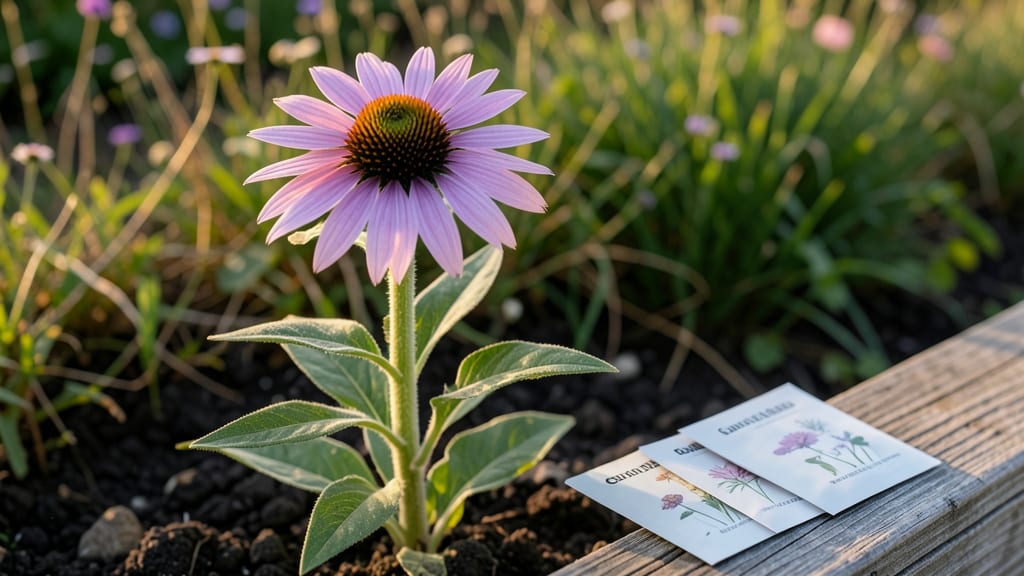
Plant wildflower seeds in Colorado between early spring and late summer for the best blooms 🌸 — timing depends on your elevation zone and frost patterns.
You’ve probably heard that wildflowers are low-maintenance, but Colorado’s high country and unpredictable weather make timing everything. Plant too early, and frost will nip seedlings in the bud; too late, and summer heat might dry them out before they take root.
This guide breaks down the ideal planting windows for Colorado’s lowlands, foothills, and high-altitude zones, plus soil prep tricks to give your seeds the head start they need.
From native blanket flowers to hardy columbine, you’ll discover the best species for your elevation, when to scatter them, and how to protect them from Colorado’s biggest wildflower killers.
Colorado’s wildflower planting calendar by elevation zone
Colorado’s dramatic elevation shifts—from the Arkansas River Valley at 3,000 feet to the Continental Divide above 12,000 feet—create wildly different growing conditions for wildflowers. Lowland zones (3,000–5,000 ft) enjoy longer growing seasons, while high country (7,000+ ft) faces shorter windows and colder soils.
Timing your planting to match soil temperatures, rainfall patterns, and frost dates is the key to success. Let’s break down the best windows for each zone, including native species that thrive in your backyard.
Soil temperature is your most critical guide: most wildflower seeds need 40–60°F soil to germinate. In lowlands, this happens by mid-March, while high-elevation sites may wait until late May. Pair this with local frost-free dates (check the Colorado State University frost map) to avoid planting too early. For example, Denver (5,280 ft) typically sees its last frost around April 15, but Telluride (8,750 ft) may not warm up until June 1.
🌱
For lowland zones like the Pueblo area (4,700 ft), spring planting (March–April) aligns with soil warming and spring rains, giving seeds a head start before summer drought. Blanket flower (Gaillardia) and black-eyed Susan (Rudbeckia) are perfect choices—they tolerate dry spells once established and bloom June through September.
If you opt for fall planting (August–September), aim to sow 6–8 weeks before your first frost (typically mid-October). This gives seeds time to germinate before winter sets in.
In foothill regions (5,000–7,000 ft), such as Boulder or Fort Collins, late April–early May is ideal for spring planting. Columbine (Aquilegia) and penstemon thrive here, thanks to cooler nights and richer soils. Monsoon rains in July provide a natural watering boost, so late summer planting (August) can also work if you’re seeding for fall color.
Just be prepared for earlier frosts—some foothill areas may see light frosts by September 15.
High-altitude gardeners (7,000+ ft) face the biggest challenges, but also the most rewarding wildflower displays. Late May–June is your only reliable window for spring planting, as soils may still be frozen or snow-covered in April. Alpine aster and larkspur are hardy survivors, adapted to short growing seasons and intense sunlight.
For fall planting, July–early August works best—seeds germinate in the warmth of summer and establish roots before early snowfall (which can arrive as soon as September in some areas).
Soil prep makes or breaks your wildflower success. Loosen the top 1–2 inches of soil to improve seed-to-soil contact, and remove weeds that compete for resources. In dry zones, mix in compost to retain moisture, but avoid heavy amendments—wildflowers prefer
How to adjust planting for Colorado’s unpredictable weather
Colorado’s late snowmelt and early frosts can throw off even the most experienced gardener. Wildflower seeds planted too soon may rot, while waiting too long risks drought stress before germination. The key is adapting your approach based on microclimates and elevation-specific risks.
For example, seeds planted in March at 5,000 ft may face frost, while the same seeds at 8,000 ft might need to wait until May.
Start by testing your soil temperature—most wildflower seeds need 40–60°F soil to germinate. Use a soil thermometer or check local USDA frost maps for your exact elevation.
In high-altitude zones (7,000+ ft), even late May can bring unexpected frosts, so consider using row covers or cold frames for added protection.
⚠️ callout warning
⚠️ Late Snowmelt Risk
If snow lingers past May 15, wait for soil to dry and temperatures to stabilize before planting. Cold, wet soil can cause seed rot or fungal diseases. For high-elevation areas, prioritize drought-tolerant species like blanket flower or yarrow, which germinate faster in dry conditions.
For seed stratification, mimic nature’s process by chilling seeds for 4–8 weeks in a damp paper towel before planting. This tricks seeds into thinking winter has passed, improving germination rates by up to 40%.
Store them in a zip-top bag in your fridge—just don’t let them dry out. Native seeds like columbine or lupine benefit most from this method.
Use companion planting to shield seedlings from wind and late frosts. Pair wildflowers with low-growing perennials like creeping thyme or sedum, which act as living mulch.
Alternatively, plant near tall grasses such as switchgrass to break wind and retain moisture. This strategy is especially useful in open prairie zones where exposure is high.
Monitor your garden with a risk-assessment checklist before planting. Ask: When was the last frost?, Is the soil dry enough?, and Are nighttime temps stable above 40°F? If you’re unsure, err on the side of delaying planting—wildflowers are resilient once established but struggle with early-season stress.
Keep a planting journal to track success rates by elevation.
Finally, mulch heavily after planting to regulate soil temperature and retain moisture. Use straw or wood chips (avoid fresh wood chips, which can draw nitrogen). In dry years, consider a light irrigation schedule—water deeply once a week rather than shallowly daily.
This encourages deep root growth, helping wildflowers survive Colorado’s unpredictable rainfall.