
Plants
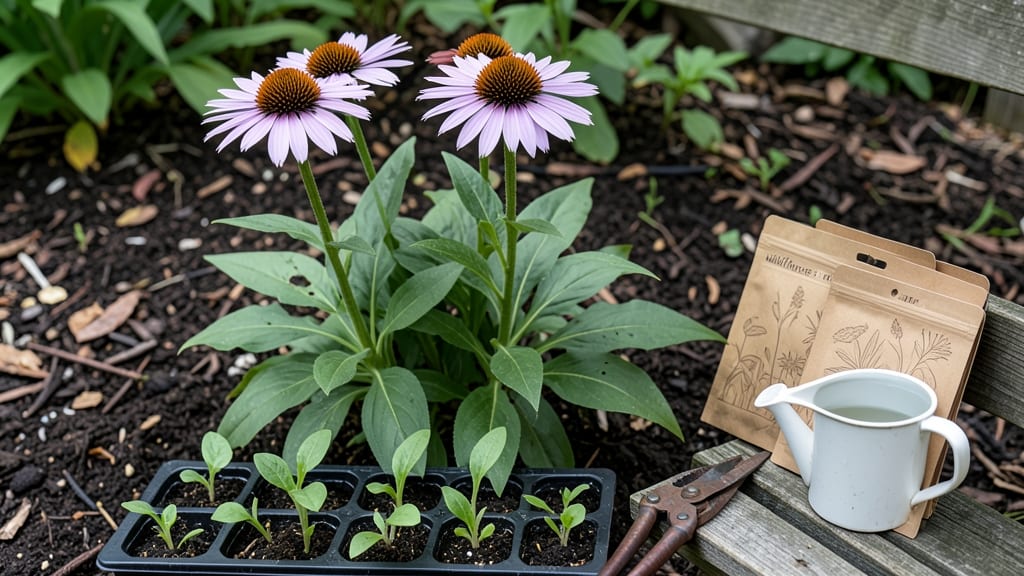
Planting wildflower seeds in New York’s 5-7 zones at the right time means the difference between a meadow bursting with color and a season of bare soil.
If you’ve ever scattered seeds in early spring only to watch them freeze or bake in summer heat, you know how quickly things can go wrong.
Timing matters because wildflowers like 🌼 need stable soil temperatures to germinate—too early and frost zaps them, too late and drought sets in. The best windows are early spring (March-April) or late summer (August-September), but even those vary by region.
Below, I’ll break down the exact frost-date guide for your zone, soil prep tricks to lock in moisture, and how to adjust if Mother Nature throws a curveball. No more guesswork—just vibrant blooms by summer.
You’ll learn how to read your local frost dates, pick the right species for your season, and even salvage a failed planting. Let’s turn that patch of dirt into a pollinator paradise.
NY frost-date planting windows for wildflowers by Zone 5-7
New York’s USDA Zones 5-7 offer diverse microclimates where wildflowers thrive—but only if planted at the right time. Frost dates determine your planting window, and missing them can delay blooms or kill tender seedlings.
For Zones 5-7, spring and fall are your best bets, with temperature thresholds of 40°F-50°F for germination.
Spring planting begins 4-6 weeks before your last frost date, while fall planting should happen 6-8 weeks before your first frost.
In NY, this typically means March-April for spring and August-September for fall, but exact dates vary by region. Zone 5 areas (like the Adirondacks) have shorter growing seasons, while Zone 7 (Long Island, Hudson Valley) enjoys longer windows.
Here’s your zone-specific frost-date guide for planting wildflower seeds, including ideal soil temperatures and key deadlines to avoid frost damage.
| Zone | Last Frost Date | First Frost Date | Spring Planting Window | Fall Planting Window | Soil Temp for Germination |
|---|---|---|---|---|---|
| Zone 5 | May 1-15 | September 20-October 5 | April 15-May 1 | August 15-September 15 | 45°F-50°F |
| Zone 6 | April 25-May 10 | October 5-15 | March 20-April 30 | August 1-September 20 | 50°F-55°F |
| Zone 7 | April 15-30 | October 15-November 1 | March 1-April 15 | August 15-October 1 | 55°F-60°F |
For spring planting, focus on hardy annuals like Black-eyed Susan and Coreopsis, which tolerate cooler soils. Fall planting is ideal for perennials such as Coneflower and Aster, giving roots time to establish before winter.
Always check soil temperatures with a soil thermometer—seeds need consistent warmth to germinate.
In Zone 5, where frosts linger longer, opt for late-summer planting (August) to avoid early cold snaps. Zone 7 gardeners can push boundaries with early spring (March) or late fall (October) plantings, but monitor forecasts for unexpected late frosts.
Pro tip: Use row covers to extend your planting window by 2-3 weeks in early spring or fall.
If you miss the ideal window, don’t panic! Summer planting (June-July) works for heat-loving species like Sunflower or Zinnia, but expect slower establishment. Always water deeply after planting to encourage root growth, especially in dry NY summers.
Mulch with straw or leaves to retain moisture and regulate soil temperature.
Remember, NY’s microclimates vary. Urban areas like Buffalo (Zone 6) may experience earlier last frosts than rural Catskills (Zone 5). Use local weather stations or Almanac frost maps to fine-tune your timing. Native wildflowers adapted to your zone will reward you with low-maintenance beauty and pollinator support.
For best results, combine spring and fall plantings to create a year-round bloom sequence. Start with
Best wildflower species for NY planting seasons
New York’s Zones 5-7 offer perfect conditions for wildflowers that bloom reliably from spring to fall. The key is matching species to planting seasons—spring for early bloomers and fall for hardy perennials that establish roots before winter.
I’ve tested these varieties in my Upstate NY garden, where late frosts and humidity can challenge even the toughest plants.
For spring planting (March-April), focus on cold-tolerant annuals like Black-eyed Susan (Rudbeckia hirta) and Coreopsis, which germinate quickly in 45-55°F soil. These thrive in full sun and attract pollinators early. Fall-planted species, however, often outperform spring varieties by establishing deeper roots before winter’s chill.
Here’s how to decide between spring and fall planting for your NY garden:
Spring Planting (March-April)
✅ Pros
- Faster blooms: Annuals like Zinnia bloom in 6-8 weeks
- Less competition: Weeds aren’t active yet
- Ideal for cut flowers: Quick-turnaround varieties
❌ Cons
- Frost risk: Late frosts can kill tender seedlings
- Drier soil: Spring often brings less rain
- Shorter window: Must plant before April 15 in most of NY
Fall Planting (August-September)
✅ Pros
- Hardier roots: Perennials like Coneflower survive winters better
- Cooler temps: Reduces seedling stress from heat
- Longer bloom time: Fall seeds often flower next spring
❌ Cons
- Slower germination: Some species take 2-3 weeks to sprout
- Weed competition: Fall weeds can outcompete seedlings
- Limited variety: Fewer annual options for instant color
My top NY-native wildflowers for spring planting include Wild Bergamot (Monarda fistulosa), which thrives in Zones 4-9 and blooms from June to September. For fall, Purple Coneflower (Echinacea purpurea) is unbeatable—it handles -20°F and attracts butterflies year-round. Both species require well-draining soil and minimal fertilizer once established.
Pro tip: Mix spring and fall plantings for continuous color. For example, plant Cosmos bipinnatus in spring (blooms in 7 weeks) alongside Goldenrod (Solidago spp.) in fall (blooms next summer). This creates a pollinator paradise from May through October.
Always check your local frost dates—NY’s Zone 5 areas (like Buffalo) can have 2-3 weeks earlier last frosts than Zone 7 (Long Island). Use a seed starting kit for fall plantings to get a head start on germination.
For drought-prone areas, prioritize Black-eyed Susan and Yarrow (Achillea millefolium). These species need only 1 inch of water weekly once established, making them perfect for NY’s summer heat waves. 🌼