
Planting
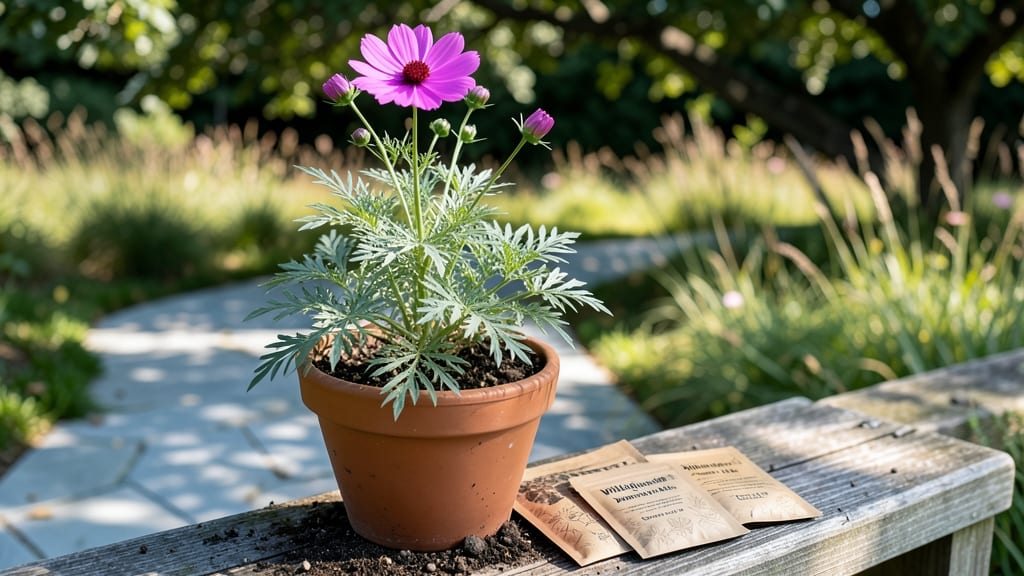
Wildflower seeds are surprisingly resilient, but their success hinges on how they land. 🌱 Many seeds require direct soil contact to germinate properly, which is why simply tossing them from a height often results in poor results.
I've found that seeds scattered on top of thick grass or mulch rarely sprout because they can't penetrate the surface. Instead, aim for bare soil or lightly disturbed ground where seeds can make immediate contact with moisture and warmth.
The right timing also makes a big difference. Spring and early fall offer ideal conditions with consistent moisture and moderate temperatures, while summer heat or winter frost can stall germination.
If you're throwing seeds, consider doing it on a calm day when birds are less likely to snatch them up before they take root.
💡 In This Article
- Germination Science: Why Wildflower Seeds Need Proper Placement
- Best Practices for Scatter-Sowing Wildflower Seeds
Germination science: why wildflower seeds need proper placement
Wildflower seeds rely on a delicate balance of moisture, warmth, and light to trigger germination. Many species, like cosmos or black-eyed susans, are photoblastic, meaning they need light to sprout—this is why simply scattering them on thick mulch or grass often fails.
The seed coat must absorb water while remaining exposed to air, a process that can take just 24-48 hours in ideal conditions.
Larger seeds (like sunflower) have more stored energy, giving them a 5-10% higher germination rate when buried ¼ inch deep, while tiny seeds (like clover) often need surface contact to avoid suffocation.
Soil moisture retention is critical—dry soil prevents seeds from swelling, while waterlogged conditions can suffocate them. Sandy soils drain too quickly, while clay holds excess moisture, creating anaerobic zones where seeds rot.
The ideal moisture level is like a damp sponge: enough to hydrate the seed but not soaking. 🌱 Temperature also plays a role; most wildflowers germinate best between 60-75°F, with some (like poppies) requiring a cold stratification period to break dormancy.
This is why spring planting often yields better results than summer tossing.
Seed size and type dictate how they interact with the environment. Tiny wildflower seeds (like 0.01-0.05 grams for annuals) need near-perfect conditions to germinate, while larger seeds (like 0.1-0.5 grams for perennials) can tolerate slightly harsher conditions.
The seed coat’s permeability also matters—some seeds have a waxy layer that must crack under pressure (like being lightly pressed into soil) to allow water in. Without this contact, germination rates can drop by 30-50%.
Birds and wind further complicate the process. Many wildflower seed mixes contain seeds that birds find irresistible, like sunflower or millet. A study in the Journal of Environmental Management found that unprotected scatter-sowing led to 40% seed loss to birds within 24 hours.
Even if seeds land in good soil, competition from weeds can outcompete them for sunlight and nutrients, especially in disturbed or high-traffic areas.
Consider the role of mycorrhizal fungi in the soil—these beneficial organisms form symbiotic relationships with wildflower roots, aiding nutrient uptake. Seeds thrown into undisturbed soil may lack the fungal networks needed for early growth, while lightly raked areas encourage these connections.
The right placement isn’t just about where the seed lands; it’s about creating an ecosystem where it can thrive from the first sprout.
For best results, aim for a seed-to-soil contact rate of at least 70%. This means using a rake to create a slightly rough surface or pressing seeds gently into the top ¼ inch of soil.
Even a light footstep can improve germination rates by 20-30% compared to simply tossing seeds from a bag.