
Plants
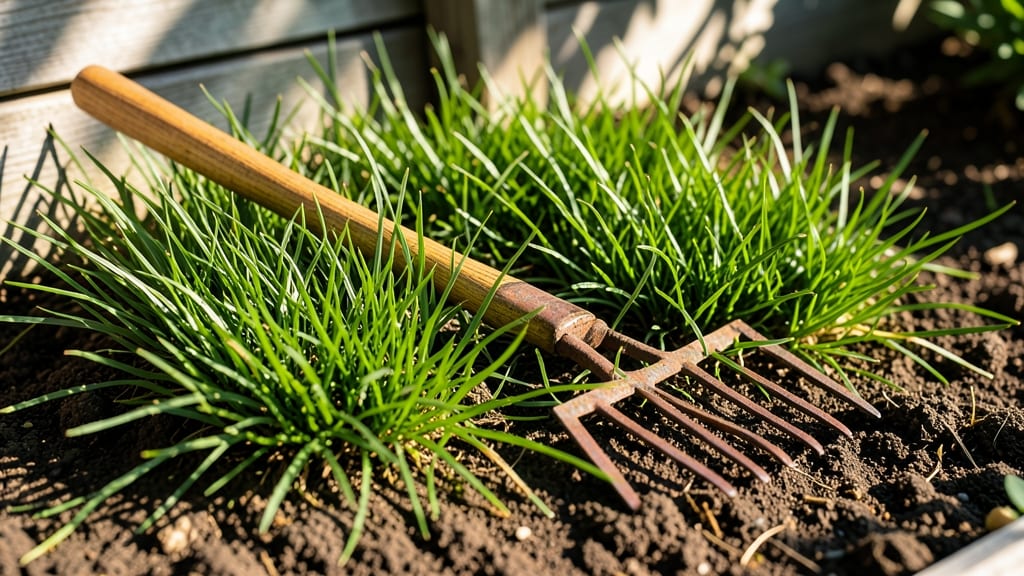
Planting grass seed in Austin at the right time means the difference between a lush, green lawn and a browned-out disappointment—so timing is everything.
Picture this: you’ve prepped your soil, spread the seed, and watered it in—only to watch it bake under 100°F heat or wash away in spring storms. Austin’s climate is unforgiving, but the ideal planting window exists, and it’s all about avoiding those pitfalls.
For cool-season grasses like Bermuda or Zoysia, late summer to early fall (August–October) is your best bet, when soil stays warm enough for germination but temperatures ease off before winter. Warm-season varieties like St. Augustine thrive when planted in early spring (March–April), just as the ground warms up.
Below, I’ll break down the exact months to plant, how to prep your soil for Austin’s clay-heavy dirt, and the critical care steps to keep your new grass alive through Texas’ brutal summers.
Best months to plant grass seed in Austin for germination success
Austin’s USDA Zone 8a-9a climate creates a unique challenge for grass seed germination. The ideal planting window hinges on balancing soil temperatures between 60°F and 75°F while avoiding spring storms and summer heatwaves.
Two distinct periods—late summer/early fall and early spring—offer the best conditions for establishing healthy lawns. Let’s break down why each season works (or doesn’t) for Austin’s most popular grass types.
For warm-season grasses like Bermuda, Zoysia, and St. Augustine, the fall window (September-October) is critical. These grasses thrive when soil temps stay above 65°F but cool slightly to 70°F-75°F—perfect for seedling establishment before winter dormancy.
Spring planting (March-April) risks heat stress as temps climb above 85°F, but early spring can work for cool-season grasses (though rare in Austin).
Soil temperature is your #1 indicator—use a soil thermometer to verify conditions. In Austin, September often hits the sweet spot of 75°F-80°F during the day with cooler nights, while October drops to 65°F-70°F, ideal for root development. Miss this window, and you’ll face dormancy struggles or fungal diseases from prolonged moisture.
Bermuda grass demands the earliest window (late August) to establish roots before September’s 90°F+ days arrive. Its aggressive growth habit requires consistent moisture during germination, but overwatering can drown seedlings. Aim for 1 inch of water weekly (including rainfall) and monitor for yellowing, a sign of stress.
St. Augustine grass thrives in Austin’s humid fall but struggles with drought or fungal issues like brown patch disease. Plant in September-October when afternoon humidity drops below 70%. This grass prefers shadier spots (30-50% shade), making it ideal for east-facing lawns where morning sun dominates.
Zoysia grass offers drought tolerance once established but needs precise timing—plant in early spring (March) when soil temps hover around 60°F. Avoid April planting; by then, heat spikes can cause seed dormancy. Zoysia’s slow germination (3-4 weeks) means you’ll need patience and light mulch to retain moisture.
If you miss fall, early spring (March) is your second-best option, but act fast. By mid-April, soil temps often exceed 75°F, forcing seedlings into dorm
How Austin’s heat and drought affect grass seed survival
Austin’s 100°F+ summers and unpredictable droughts create brutal conditions for new grass seedlings. Without proper protection, your $100 seed investment can turn into a brown, crunchy wasteland in weeks. The key to survival lies in understanding how heat stress and drought interact with different grass types—and how to outsmart them.
Most grass seeds need consistent moisture and moderate temperatures (60°F–75°F) to germinate. But Austin’s afternoon sun can bake soil to 120°F+, while spring storms often wash out seeds before they sprout.
The solution? Strategic shade, deep watering, and mulching—all tailored to your grass type’s heat tolerance. Let’s break down the critical factors.
🌡️ Heat & Drought Survival Strategies
✅ DO THIS
- Water deeply 2x/week (1–1.5 inches) at dawn to reduce evaporation.
- Use shade cloth (30–50%) for 4–6 hours during peak afternoon sun (2–5 PM).
- Apply 1–2 inches of mulch (straw or wood chips) to retain moisture.
- Choose drought-tolerant grasses like Buffalo grass or Zoysia for long-term survival.
- Test soil moisture daily—top inch should stay damp but not soggy.
❌ AVOID THIS
- Shallow watering (sprinklers) leads to weak roots and fungal growth.
- Planting in full sun without shade during 100°F+ weeks—seeds bake before sprouting.
- Skipping mulch—soil dries out 3x faster in Austin’s heat.
- Using cool-season grasses (like Fescue) in summer—they wilts instantly in 90°F+.
- Watering at night—promotes disease and wasteful evaporation.
Not all grasses handle Austin’s heat equally. Bermuda grass thrives in summer but struggles in winter, while St. Augustine loves shade but rots in soggy soil.
For a side-by-side comparison, focus on heat tolerance and water needs: - Bermuda: 9/10 heat tolerance, needs daily water in summer. - Zoysia: 8/10 heat tolerance, drought-resistant once established. - Buffalo Grass: 7/10 heat tolerance, zero irrigation after rooting. - St. Augustine: 5/10 heat tolerance, must stay moist or turns brown.
Mulching is your secret weapon. A straw mulch layer keeps soil 10–15°F cooler and reduces water loss by 50%. For new seedlings, combine mulch with drip irrigation—this delivers water directly to roots without wetting leaves (which fuels fungus). Pro tip: Water in cycles (10 mins on, 30 mins off) to encourage deep root growth.
Even with perfect care, heat waves will test your lawn. If temps hit 105°F+, pause watering for 2–3 days to harden off seedlings. Avoid mowing until grass is 3–4 inches tall—taller blades shade roots and retain moisture.
With these adjustments, your grass seed stands a 70–80% chance of surviving Austin’s worst conditions.
Remember: Patience is key. Grass seeds take 14–21 days to sprout, and drought stress can delay germination by weeks. Stick to your watering schedule, monitor soil moisture, and protect seedlings from afternoon sun until they’re 2–3 inches tall. Your lawn’s future depends on it! 🌱