
Planting
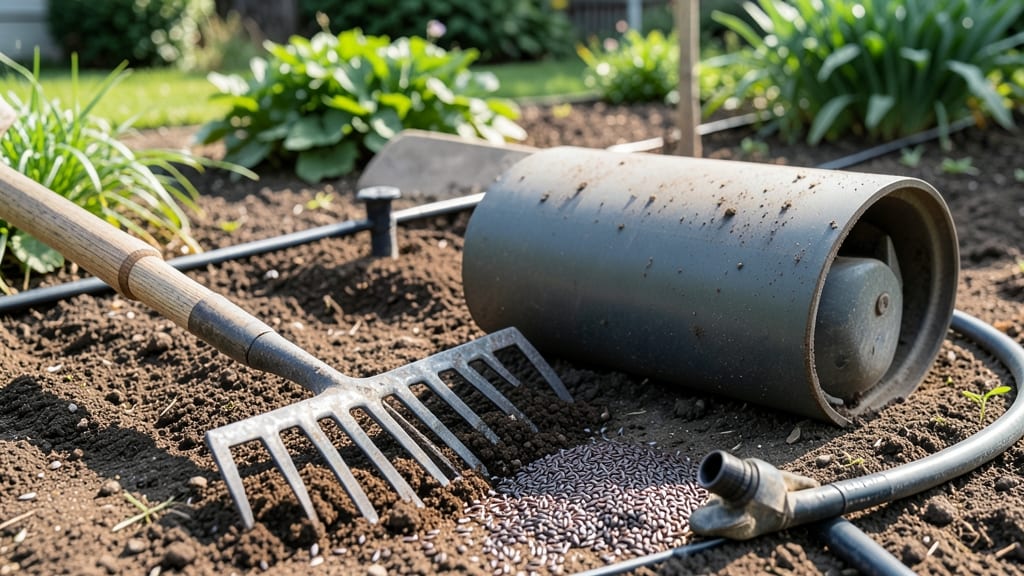
Planting grass seed in spring is all about catching that sweet spot between frost and heat—when the soil warms to 50-60°F and stays there for weeks.
I’ve seen too many spring lawns fail because people rushed planting too early, only to watch seeds rot in cold soil or dry out before sprouting. The key is patience and timing, and I’ll show you exactly how to nail it for a thick, lush lawn that makes neighbors jealous.
Start by testing your soil’s pH and nutrient levels—most grass needs a 6.0-7.0 range to thrive. In cooler climates (zones 3-5), aim for late April to early May when daytime temps consistently hit 60°F and nights stay above 40°F.
Warmer zones (6-9) can plant as early as February, but avoid planting if frost is forecasted within a week. The soil should be loose, free of debris, and lightly raked to create a seed-friendly surface—think of it as tucking seeds into a cozy blanket of soil.
Once planted, keep the seedbed moist but not soggy—think of a damp sponge, not a swamp. Light watering twice daily for the first week prevents seeds from drying out, and a thin layer of straw mulch helps retain moisture while protecting young sprouts.
Within 7-21 days, you’ll see those first green blades pushing through, and by summer, your lawn will be the envy of the block. The secret? Consistency in watering and waiting for the right conditions.
Don’t overlook seed selection—cool-season grasses like Kentucky bluegrass and fescue thrive in northern climates, while Bermuda and Zoysia love southern heat. And if you’re in a drought-prone area, consider drought-resistant varieties like tall fescue.
Whether you’re patching bare spots or seeding a whole lawn, these timing secrets make all the difference. Let’s get that grass growing!
📚 In This Guide
- What you need
- Instructions
- Tips and common mistakes
- Wrapping up and next steps
What you need
- ● Grass seed: Choose a cool-season variety (e.g., Kentucky bluegrass, fescue, or ryegrass) for spring planting. Calculate 5–10 lbs per 1,000 sq ft, depending on seed type and desired density.
- ● Topsoil or compost: 1–2 inches of high-quality topsoil or compost to improve soil texture and fertility.
- ● Starter fertilizer: A low-nitrogen, high-phosphorus blend (e.g., 10-20-10 ratio) to encourage root growth. Use ½ lb per 100 sq ft.
- ● Mulch or straw: ¼–½ inch of undyed straw to retain moisture and protect seeds from birds.
- ● Lawn rake: A bendable-tine rake to level soil and remove debris.
- ● Broadcast spreader: For even seed distribution (manual or drop-type preferred).
- ● Garden hose with nozzle: A gentle mist setting for watering seeds.
- ○ Soil tester kit (optional): To check pH (ideal: 6.0–7.0) before planting.
- ● Knee pads or gloves: Because crawling in dirt is way more comfortable with these!
- ● Test soil moisture: It should be damp but not soggy—like a wrung-out sponge.
- ● Clear debris: Remove rocks, weeds, and old grass clippings for a clean slate.
- ● Check weather forecast: Aim for 5–7 days of consistent rain or commit to daily watering.
Step-by-Step guide for planting grass seed in spring
Timing matters more than you think—plant too early and cold soil stalls growth; too late and summer heat burns new seedlings.
Test Soil Temperature and Wait for Warmth
Use a soil thermometer to check depth—60°F or warmer at 4 inches deep signals it's time. Most cool-season grasses like fescue or rye germinate best when daytime highs hit 65°F consistently. If your mornings still dip below 50°F, wait a week or two. I've seen seedlings emerge in 7-10 days when temps are right, but they'll rot if planted in cold, damp soil.
This is the moment that matters: don't rush. A few extra days of waiting prevents the heartbreak of seedlings that sprout then die from soil too cold to support them. If you're unsure, plant a test strip—just a small area—to monitor germination before committing to the whole lawn.
Prepare the Soil for Optimal Seed Contact
Rake the soil surface until it's firm and free of debris, then loosen the top ½ inch with a garden fork or tiller. The goal is to create a fine, crumbly texture that lets seeds nestle just below the surface. I like to drag a metal rake over the area first to break up any clumps—this ensures even seed-to-soil contact, which is critical for germination.
Don't skip this step. Compacted soil blocks root growth, and large clods can smother emerging seedlings. If your soil feels rocky or hard, mix in 1-2 inches of compost to improve texture and fertility. Water the area lightly after raking to settle the soil without creating puddles.
Spread Seed Evenly and Lightly Cover
Use a broadcast spreader set to the recommended rate for your grass type—most seeds need about ½ pound per 100 square feet. Walk in a crisscross pattern to avoid thick patches. Once spread, lightly rake the area again with a fine-toothed rake, covering seeds with ¼ inch or less of soil. This protects them from drying out while still allowing sunlight to reach the soil surface.
Here's the thing—don't bury seeds too deep. If they're planted ½ inch or deeper, they may never emerge. Instead, think of it like sprinkling flour on a cake: just enough to cover, no more. After covering, give the area a gentle misting with water to help seeds settle into the soil without washing away.
Keep Soil Consistently Moist Until Germination
Water lightly but frequently—aim for ¼ inch of water daily until germination, which usually takes 7-21 days depending on the grass type. Use a sprinkler with fine mist settings or a soaker hose to avoid disturbing the seeds. The soil should feel damp to the touch but not soggy. Overwatering can drown seeds, while underwatering leaves them dry and crispy.
I set a reminder on my phone for morning and evening watering until I see the first green shoots. Once germination begins, reduce frequency to every other day but increase depth to ½ inch per watering. This encourages roots to grow deeper, preventing shallow, weak turf that struggles in dry spells.
Maintain Moisture and Monitor for Weeds
After the grass reaches 2-3 inches tall, gradually reduce watering to 1 inch per week to strengthen roots. This is when most weeds also sprout, so stay vigilant. Pull weeds by hand when they're small—don't let them compete for nutrients or sunlight. A hand weeder works best for precision without damaging young grass.
Real talk: this is the phase where many new lawns fail. Skipping weed control now means fighting established weeds later. If you see broadleaf weeds like dandelions, spot-treat with a vinegar-based herbicide (safe for grass) or pull them before they seed. Within 6-8 weeks, your lawn should be thick enough to crowd out most weeds naturally.
Tips & tricks for perfect spring grass seed planting
Your spring lawn transformation starts with these key insights that turn good intentions into great results.
Soil Temperature is Non-Negotiable: That 60°F minimum at 4 inches deep isn't arbitrary—it's when soil microbes become active enough to support seed germination. I've seen seeds planted at 55°F sprout only to rot within days. Use a soil thermometer every morning for a week before planting to catch those perfect days when temperatures hold steady above 60°F. The 65°F daytime highs mentioned are especially important for cool-season grasses like fescue—they signal the soil's ready to work with you, not against you.
Prep Like a Pro in Step 2: The secret to that fine, crumbly texture isn't just raking—it's about creating the perfect seed bed. After loosening the top ½ inch, I run my fingers through the soil. If it feels like sandpaper, I know I need to add compost. This isn't just about aeration; it's about creating a sponge-like environment where seeds can drink up moisture without drowning. And that gentle misting after covering? It's not just water—it's your chance to settle seeds into their perfect nesting spots without disturbing them.
Watering Wisdom for Step 4: Those morning and evening reminders on your phone aren't just suggestions—they're critical. The ¼ inch daily target keeps the soil consistently damp like a wrung-out sponge, not soggy like a swamp. I've learned this the hard way: skipping one watering can dry out seeds before they germinate. Pro tip: water when the top inch of soil feels dry to the touch, not when it looks dry. The surface can dry faster than you think, especially in windy conditions.
Weed Prevention Strategy: The 6-8 week window mentioned for weed control is your best defense. I start pulling weeds the moment I see the first green shoots appear—usually around week 3. This isn't just about aesthetics; it's about giving your grass a fighting chance. Weeds steal nutrients and sunlight that your young grass needs to establish strong roots. A hand weeder gives you the precision to pull weeds without damaging seedlings, and it's more effective than chemical treatments at this stage.
Pro Tips for When Plant Grass Seed In Spring
- Your spring lawn transformation starts with these key insights that turn good intentions into great results.
- Soil Temperature is Non-Negotiable: That 60°F minimum at 4 inches deep isn't arbitrary—it's when soil microbes become active enough to support seed germination.
- Prep Like a Pro in Step 2: The secret to that fine, crumbly texture isn't just raking—it's about creating the perfect seed bed.
Frequently asked questions
Got questions about spring grass seeding? You’re not alone! Here are answers to the most common concerns—so you can plant with confidence and grow that dreamy green lawn.
What’s the best temperature range for planting grass seed in spring?
Ideal soil temps for cool-season grasses (like fescue or ryegrass) are 50–65°F, while warm-season grasses (like Bermuda or Zoysia) thrive in 65–75°F. Check your local weather—planting too early (when soil is still cold) can delay germination. A soil thermometer helps!
How long does it take for grass seed to grow after spring planting?
Germination time varies: cool-season grasses sprout in 7–21 days, while warm-season types take 10–30 days. Keep soil moist (not soggy!) and watch for tiny green shoots. Patience pays off—full coverage can take 3–6 weeks, depending on seed type and weather.
Can I plant grass seed over existing grass, or do I need to reseed bare spots?
Overseeding thin lawns is a great way to thicken them up! Just mow existing grass short (1–2 inches), rake away debris, and spread seed evenly. For bare patches, remove weeds, loosen soil, and plant fresh seed—this gives new grass a fighting chance to establish.
What if spring rains wash away my newly planted grass seed?
Don’t panic! Lightly press seed into soil (or use a straw mulch blanket) to anchor it. Water gently 2–3 times daily (morning/evening) for the first 2 weeks. If heavy rain hits, reapply seed and keep the area moist until sprouts appear. A sprinkler with a fine mist setting helps too!
Should I fertilize right after planting grass seed in spring?
Wait until after germination (when grass is 2–3 inches tall) to apply starter fertilizer. Too much nitrogen early can burn tender seedlings. Use a low-nitrogen, high-phosphorus blend (like 5-10-10) to encourage root growth. Follow up with a light feeding every 6–8 weeks.
Wrapping up and next steps
Planting grass seed in spring is your golden ticket to a thick, vibrant lawn—just follow the right timing and prep! 🌱 Whether you’re tackling bare spots or seeding a new yard, late spring to early summer (after the last frost and when soil is warm) is ideal.
With the right soil, seed, and care, your efforts will pay off in lush, green growth.
Ready to take the next step? Mark your calendar for your local last frost date, gather your supplies, and get planting! Your future lawn will thank you—one seed at a time. 🌿