
Propagation
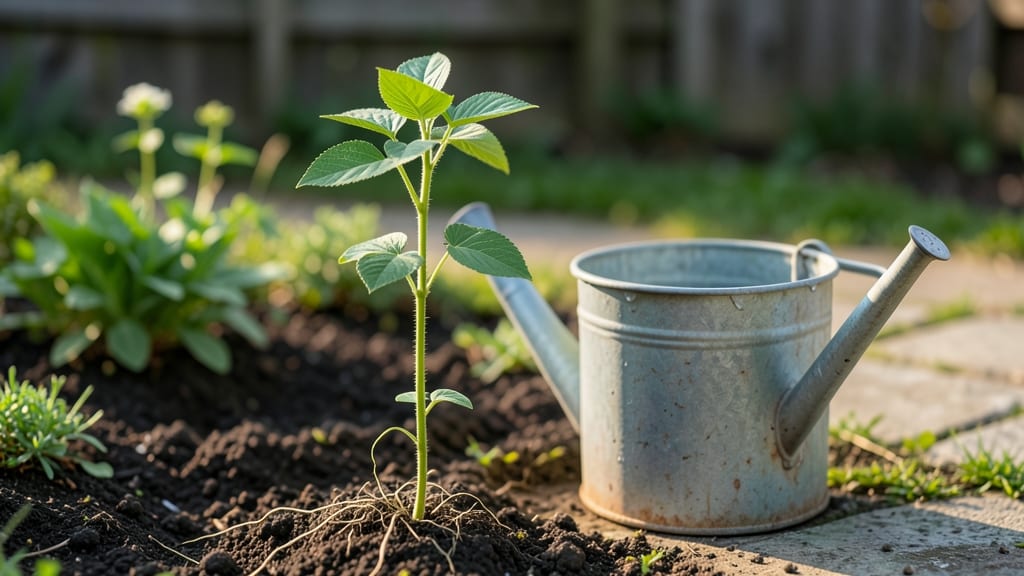
Germination isn't just about throwing seeds in soil and hoping for the best—it's a precise biological process where each factor has a specific role. 🌱 Water activates enzymes that break down stored nutrients, while temperature determines how quickly these reactions occur.
For example, tropical seeds like beans thrive at 75–85°F, while cool-season crops like lettuce prefer 60–70°F. Oxygen ensures the seed's mitochondria can produce energy, and light exposure triggers hormonal shifts that either encourage or suppress growth, depending on the plant type.
What's fascinating is how these requirements vary by seed type. Some, like tomatoes, need light to germinate, while others, like peas, prefer darkness. Understanding these needs can mean the difference between a thriving garden and wasted seeds.
I always recommend testing germination conditions in small batches first—it saves time and frustration when scaling up.
💡 In This Article
- The Science Behind Seed Germination Requirements
- Practical Germination Setup for Different Plant Types
The science behind seed germination requirements
At the core of germination is a carefully orchestrated biochemical process where water acts as the initial catalyst. When a seed absorbs moisture, it swells and activates enzymes that begin breaking down stored nutrients like starches into simple sugars.
This process, called imbibition, triggers metabolic reactions that can increase the seed's weight by 30-50% within hours. For example, a 0.5-gram tomato seed can absorb up to 1.5 grams of water during this phase, creating the turgor pressure needed to crack the seed coat—a critical step for radicle (root) emergence.
Temperature controls the speed of these reactions through enzymatic activity. Most seeds germinate best within a 60-85°F range, but the optimal temperature varies dramatically by species. Tropical plants like cucumbers require 75-85°F to activate their heat-sensitive enzymes, while cool-season crops such as spinach thrive at 60-70°F.
Below 50°F, enzymatic activity slows to a crawl, and above 90°F, proteins begin denaturing, halting germination entirely. This is why gardeners in hot climates often use shade cloth or indoor grow lights to maintain ideal conditions.
Oxygen plays an equally vital role by enabling cellular respiration, the process that converts stored nutrients into energy for growth. Seeds require 5-10% oxygen concentration—about the same level found in well-aerated soil. Without sufficient oxygen, anaerobic respiration occurs, producing toxic ethanol that can kill the seedling.
This is why waterlogged soil often leads to seed rot rather than germination. For instance, beans left in stagnant water for more than 24 hours will fail to sprout, even if all other conditions are perfect.
Light exposure introduces another layer of complexity, as it regulates hormone production. Photoblastic seeds like lettuce need light to trigger gibberellin synthesis, a hormone that promotes root growth, while others, like beans, produce more abscisic acid in light, which inhibits germination until darkness returns.
This explains why some gardeners cover seed trays with black plastic during germination—it mimics the soil's natural darkness and prevents premature exposure to light for sensitive species.
The interplay between these factors determines whether a seed remains dormant or begins growing. For example, some seeds require a period of cold stratification (like 4-8 weeks at 35-45°F) to break internal chemical dormancy, while others need fire exposure (like certain eucalyptus seeds) to soften their hard coats.
Understanding these nuances allows gardeners to tailor their approaches—whether using heat mats for tropical seeds or refrigeration for temperate varieties—to maximize success rates.
What's often overlooked is how these conditions interact over time. A seed might have enough moisture and oxygen but fail to germinate if kept at 55°F for too long, as the metabolic processes stall.
This is why professional growers monitor germination chambers with precision, adjusting humidity, temperature, and light cycles to match each seed's specific requirements. The result? A 90%+ germination rate compared to the 50% average seen with guesswork.