
Lawn
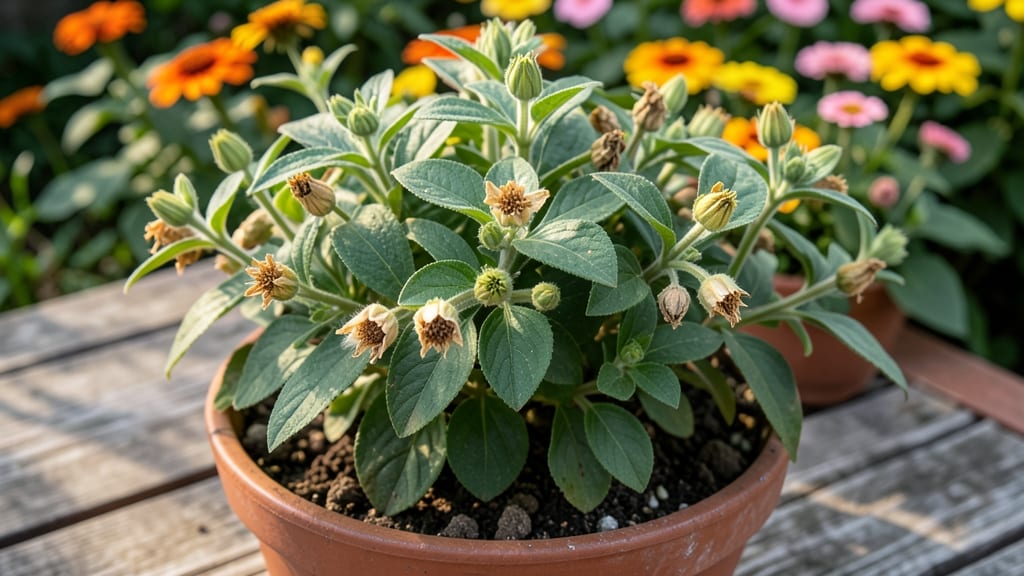
Lantana seed pods look like tiny, twisted paper lanterns that turn brown and pop open when ready. 🌿 These woody capsules—about the size of a pencil eraser—start green behind the flowers and dry into a papery texture, splitting apart to release seeds.
They’re easy to spot once you know what to look for: their spiral shape and thin walls set them apart from the plant’s bright, clustered blooms. The pods play a key role in lantana’s survival, cracking open when mature to scatter seeds via wind or rain.
This natural process means new plants often sprout nearby—sometimes too nearby, if you’re not careful. Recognizing them helps you decide whether to let them go wild or collect seeds for propagation. If you’re growing lantana, keep an eye out for these pods after flowering.
They’re a clear sign the plant is ready to spread, whether you want it to or not. Just don’t confuse them with buds—they’re dry, brittle, and split open, while buds stay plump and green. Knowing what to expect makes garden maintenance easier.
Pull up unwanted seedlings early, or save the pods for starting new plants. Either way, these little cases hold the future of your lantana patch!
📚 In This Guide
- What you need
- Instructions
- Tips and common mistakes
- Wrapping up and next steps
What you need
- ● Lantana plant access: Mature Lantana camara or similar species (ensure you’re in a legal area—avoid protected lands!).
- ● At least 3-5 healthy plants for varied pod observations (pods mature at different rates!).
- ○ Collection tools (optional but helpful): Small pruning shears or gardening scissors (for cutting stems with pods).
- ● Paper brown bags or mesh bags (2-3 bags, 1-gallon size) to store pods without crushing them.
- ● Glove s (nitrile or cotton)—lantana sap can irritate skin!
- ● Observation tools: Hand lens (10x magnification) or magnifying glass (for close-up details).
- ● Digital camera or smartphone (with macro mode for photos).
- ● Ruler or measuring tape (to document pod size—typically 0.5–1 inch long).
- ● Notebook & pencil—to sketch pod features (e.g., twisted shape, papery texture, or seed color).
- ● Plastic tray or shallow dish (for spreading pods out to dry if preserving them).
- ● Spray bottle with water—to gently clean pods if dirty (avoid soaking!).
- ● Field guide to lantana species (helpful if identifying hybrids or regional varieties).
How to identify lantana seed pods in your garden
Here's how to spot these fascinating, twisted seed cases before they release their tiny, wind-dispersed seeds.
🌱 Step 1: Locate the Seed Pods on the Plant
Lantana seed pods grow where flowers once bloomed, replacing spent blossoms. Look for small, green, papery structures forming at the base of dried flower clusters. These pods start as tiny buds, then twist into their signature spiral or corkscrew shape as they mature.
They typically appear 30-45 days after flowering, so check your lantana bushes regularly during late summer and fall. The pods begin ½ inch long but can stretch to 1 inch as they dry. Their thin, translucent walls let you see the seeds inside even before they're fully mature.
🌿 Step 2: Observe the Color Changes
Immature pods start bright green and firm to the touch. As they ripen, they turn tan or light brown and become dry and brittle. This color shift is your key indicator that the pods are ready to release seeds.
Here's the thing—don't wait until they're completely brown. The moment they turn pale yellowish-brown, they're just days away from popping open. I always check my lantana plants when the morning light hits them just right—their papery texture catches the sunlight and makes them glow.
⏰ Step 3: Watch for the Signature Popping Action
Lantana seed pods are nature's tiny fireworks. When fully dry, they'll suddenly twist and crack open with a faint popping sound—often triggered by wind or even your touch. This releases hundreds of tiny, papery seeds that catch the breeze and scatter.
Timing matters: pods usually open in late afternoon when humidity drops. You'll see them curl back dramatically like a spring unwinding. If you're patient, you can even hear them—it's like listening to tiny jack-in-the-boxes going off across your garden.
🪴 Step 4: Collect Seeds Before They Scatter
To save seeds, harvest pods when they're tan but still slightly green—just before they fully dry. Gently twist the pod to separate it from the stem, then place it in a paper bag (not plastic) to dry completely indoors.
Once fully dry, the pods will open on their own inside the bag. Shake gently to release seeds, then store them in an airtight container in a cool, dark place. Lantana seeds remain viable for 1-2 years if kept dry. I label mine with the variety and date—next year's garden will thank you!
✂️ Step 5: Remove Empty Pods to Control Spread
If you don't want lantana spreading, remove pods before they pop. Snip them off with clean pruners and dispose of them in sealed trash bags. This prevents the plant from self-seeding and keeps your garden's design intentional.
Here's a pro tip: wear gloves when handling pods. The tiny seeds can irritate skin and eyes. I also recommend checking your lantana plants weekly during peak seed season—those pods open faster than you think, and before you know it, you'll have seedlings popping up everywhere.
Tips & tricks for identifying lantana seed pods
These little details make all the difference when spotting those sneaky seed pods before they release their windblown cargo.
Timing is Everything: The 30-45 day window after flowering is your best bet for catching pods at their most teachable moment. I've found that checking lantana bushes every 5-7 days during late summer gives you the perfect chance to spot them in their early stages—when they're still green and haven't started their dramatic transformation. This prevents those surprise seed showers that can turn your garden into an unwanted lantana jungle.
Lighting Reveals the Magic: That morning sunlight isn't just pretty—it's your secret weapon. The papery texture of the pods catches the light at just the right angle, making them almost glow against the foliage. I always do my inspections first thing in the morning when the dew is still on the leaves. This visual trick helps you spot pods that might blend in during other times of day, especially the translucent ones that can be nearly invisible when dry.
Texture Talks: Don't just look—touch! Immature pods should feel firm to the touch, almost like thin parchment. As they mature, they become brittle and dry, almost like crumpled paper. I've learned to run my fingers gently along the stems where flowers used to be—this helps me feel for the characteristic twist before I even see it. The moment they start feeling dry and papery is when you know they're about to perform their popping act.
Seasonal Strategy: Late afternoon is prime popping time, but that doesn't mean you should wait until then to act. I've seen pods open as early as mid-afternoon on hot, dry days. The key is to make your weekly inspections during the morning hours when pods are still closed. This gives you that crucial window to either collect seeds or remove pods before they can scatter their contents all over your garden.
Pro Tips for What Do Lantana Seed Pods Look Like
- These little details make all the difference when spotting those sneaky seed pods before they release their windblown...
- Timing is Everything: The 30-45 day window after flowering is your best bet for catching pods at their most teachable...
- Lighting Reveals the Magic: That morning sunlight isn't just pretty—it's your secret weapon. The papery texture of th...
Frequently asked questions
Got questions about lantana seed pods?
Here are some of the most common ones—plus quick, practical answers to help you spot, manage, or avoid them in your yard.
How do I tell lantana seed pods apart from other plant seeds?
Lantana seed pods are unmistakable with their twisted, paper-thin, and slightly woody appearance. They look like tiny, curled-up drumsticks (about ½ inch long) and turn brown as they dry. Unlike many seeds, they don’t resemble berries or capsules—they’re more like a dried, spiral shell that splits open when mature. Compare them to common weeds like milkweed (which has fluffy seed pods) or dandelions (which have puffballs).
When do lantana seed pods appear, and how long do they take to open?
Seed pods form late summer to early fall after lantana flowers bloom and wilt. Once mature (usually 6–8 weeks after flowering), the pods dry out and explode open with a slight pop, scattering seeds up to 13 feet away. They’re most active in warm, dry conditions, so check your yard in September–November. If you see pods still closed in winter, they’re not yet ready to release seeds.
Are lantana seed pods harmful to pets or kids?
While the pods themselves aren’t toxic, lantana plants (and their seeds) can be dangerous if ingested. The leaves and flowers contain toxic compounds that may cause drooling, vomiting, or weakness in pets or children. If you suspect ingestion, contact your vet or Poison Control immediately. Keep kids and pets away from areas with lantana plants, especially when seed pods are popping open and seeds are scattered.
How can I prevent lantana from spreading via seed pods?
Prevention starts with removing seed pods before they pop! Wear gloves and snip pods off with pruners or crush them with a rock (wear eye protection—seeds fly!). For established plants, prune lantana regularly to reduce flowering. If lantana’s already invasive, consider vinegar spray (20% acetic acid) or herbicide (like glyphosate) for stubborn roots. Pro tip: Mulch heavily around plants to block light and discourage new growth.
What should I do if I find lantana seed pods in my compost?
If you spot lantana pods in your compost, remove them immediately—they’ll still release seeds when they dry out! Do not compost lantana plants or pods; instead, bag them for trash pickup or burn them (if local laws allow). To keep your compost safe, inspect yard waste before adding it to the pile. If lantana’s already in your compost, turn it frequently to speed up decomposition and reduce seed viability.
Wrapping up and next steps
Now that you’ve learned to spot lantana seed pods—those twisted, paper-thin cases that burst open like tiny treasure chests—you’re ready to tackle them with confidence!
Whether you’re managing an invasive plant or simply admiring their quirky design, recognizing these pods is your first step to control or curiosity. Next up: grab your gloves and a trash bag, then learn how to remove them safely before they spread further. Happy gardening! 🌿✨