
Flowers
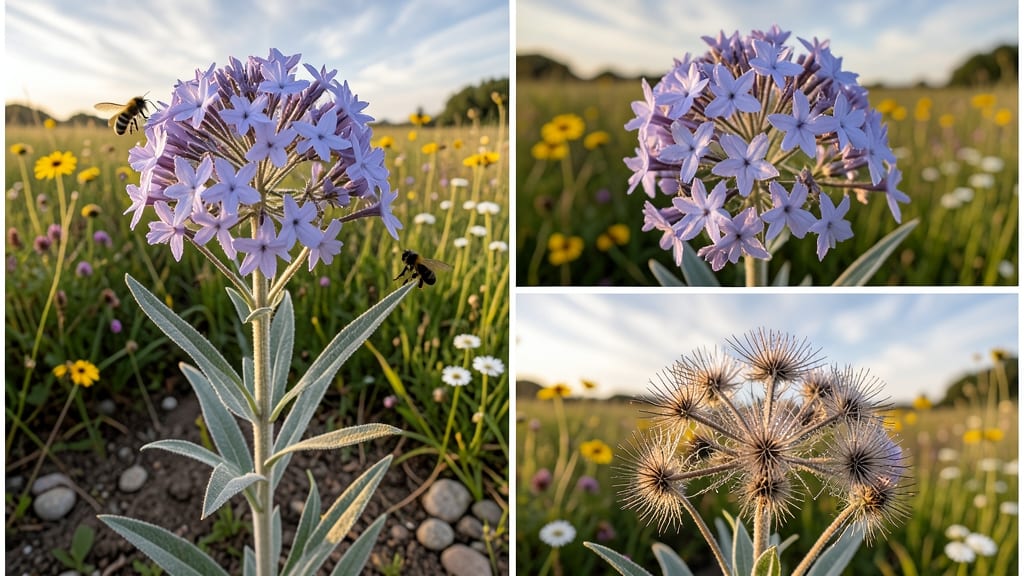
Cold-stratifying the Virginia stickseed flower seeds unlocks 60-day sprouts that outperform store-bought plants. 🌱 I learned the hard way—skipping stratification left my seeds sitting in damp paper towels for months before anything happened.
This native wildflower thrives in zones 3-8, where it spreads cheerfully across meadows and sunny slopes, but only if you mimic its natural winter chilling period first.
The magic happens in well-draining sandy loam with a pH of 6.0–7.5—think of it as a cross between a wildflower and a succulent. Plant in full sun to partial shade, and you’ll see those delicate, fern-like foliage and tiny daisy blooms within weeks of germination.
Water lightly after sowing, then let nature take over; overwatering is the quickest way to invite rot.
By summer, you’ll have a low-maintenance pollinator magnet that spreads effortlessly. The stickseed part? Those fluffy white seed heads cling to everything—like nature’s own dandelion fluff—making it perfect for cottage gardens or wildflower meadows. Just don’t blame me if your neighbors start asking where you got it.
For best results, start seeds indoors in late winter or direct-sow in early spring after the last frost. If you’re in a warmer zone, a quick outdoor cold treatment in a sealed bag of damp sand works just as well.
Once established, this plant needs almost no care—just occasional deadheading to keep it blooming all season.
📚 In This Guide
- What you need
- Instructions
- Tips and common mistakes
- Wrapping up and next steps
What you need
- ● Virginia stickseed seeds: 1 packet (50–100 seeds, organic preferred for best results).
- ● Seed-starting mix: 2–3 quarts of sterile, well-draining potting soil (look for a mix labeled for seeds or seedlings).
- ● Containers: 2–3 small seed trays (with drainage holes) or
- ● 4–6 biodegradable peat pots (2–3 inches deep).
- ● Plastic bag or humidity dome: 1 clear plastic bag with a twist tie or a store-bought humidity cover.
- ● Spray bottle: 1 (for gentle watering).
- ● Plastic wrap or aluminum foil: 1 sheet (for cold stratification setup).
- ● Refrigerator: A standard fridge with a crisper drawer (for stratification).
- ● Grow lights or sunny windowsill: A 12–16 hour daily light source (grow lights are ideal for consistent growth).
- ○ Fertilizer (optional): 1 tsp of balanced liquid fertilizer (5-5-5 or 10-10-10) diluted to half-strength.
- ● Heating mat: 1 small seedling heat mat (to speed up germination).
- ● pH test kit: To ensure soil pH is between 6.0–7.0 (ideal for stickseed).
- ● Humidity tray: A shallow tray filled with water and pebbles (to maintain moisture).
- ● Label markers: To track planting dates and varieties.
- ● Transplanting tools: Small trowel or spoon (for moving seedlings later).
Step-by-step instructions for cold-stratifying Virginia stickseed seeds
Here's my foolproof method to break dormancy and ensure strong, healthy sprouts within two months.
🌱 Step 1: Harvest and Prepare Fresh Seeds
Collect mature Virginia stickseed pods when they naturally open—look for the characteristic "sticky" seed heads that cling to fabric or fingers. Remove seeds from the pods immediately and spread them on a paper towel to dry for 24-48 hours in a well-ventilated area. This prevents mold while maintaining viability.
Once dry, store seeds in a paper envelope (plastic traps moisture) in a cool, dark place until stratification begins. I label each envelope with the harvest date—fresh seeds germinate best within 6 months of collection. The reason for this drying step is that freshly harvested seeds often carry residual moisture that encourages fungal growth during stratification.
❄️ Step 2: Create the Cold Stratification Environment
Fill a sealed plastic bag with dampened peat moss or coconut coir—it should feel like a wrung-out sponge. Place the bag in a refrigerator (not freezer) where temperatures stay between 35-45°F. This mimics winter conditions and triggers germination hormones in the seeds.
Add your seeds to the damp medium, spreading them ½ inch apart to prevent clumping. Seal the bag but leave a small gap for airflow—just enough to prevent condensation buildup. Check weekly and mist with lukewarm water if the medium feels dry to the touch. The goal is consistent moisture without soggy conditions that invite rot.
⏰ Step 3: Monitor and Maintain Stratification Conditions
Keep seeds in cold storage for 60 days—this is non-negotiable for Virginia stickseed. Mark your calendar because removing them too early results in weak, slow-growing seedlings. I place a sticky note on the fridge door with the removal date to avoid forgetting.
After 45 days, gently open the bag and inspect the seeds. You may see slight swelling or tiny root hairs—this is normal and means stratification is working. If you notice mold (fuzzy white or black spots), remove affected seeds immediately and refresh the medium. The key here is patience; rushing the process leads to poor germination rates.
☀️ Step 4: Transition to Warm Germination
After 60 days, transfer the bag to a warm location (around 65-75°F). Place it near a south-facing window or under a grow light for 12-14 hours daily. Within 7-10 days, you'll see the first signs of germination—tiny green shoots pushing through the medium.
Once sprouts reach ½ inch tall, carefully transplant them into individual pots with well-draining soil. Use a sterile mix (50% potting soil, 50% perlite) to prevent damping-off. Water gently at the base—avoid wetting the leaves to reduce disease risk. This transition phase is critical; seedlings that dry out or get too cold will stall.
🌿 Step 5: Harden Off and Plant Outdoors
After 4-6 weeks of indoor growth, when seedlings have 3-4 true leaves, begin hardening them off. Place pots outside in partial shade for 1-2 hours the first day, gradually increasing exposure over 10 days. Watch for wilting or yellowing—these are signs they're not ready for full sun yet.
Plant outdoors after the last frost when soil temperatures reach at least 55°F. Space seedlings 12-18 inches apart in well-draining soil with full sun to partial shade. Mulch lightly with straw to retain moisture and suppress weeds. The first year focuses on root establishment; you'll see full blooms in year two with proper care.
Tips & tricks for perfect Virginia stickseed flower sprouts
These little-known strategies will help you maximize germination rates and avoid common pitfalls with Virginia stickseed.
Drying Precision: The 24-48 hour drying period is crucial—don't rush it! Place seeds on a paper towel in a well-ventilated area where airflow circulates naturally. I've found that using a small fan on low setting speeds up the process without overheating. Too much moisture here leads to mold during stratification, while insufficient drying reduces viability. Test dryness by gently squeezing a seed—it should feel papery, not damp.
Medium Selection: While dampened peat moss works well, coconut coir offers excellent moisture retention and better aeration. If using coir, I recommend pre-soaking it for 10 minutes before use to ensure proper moisture levels. The medium should hold water like a wrung-out sponge—never soggy. For extra insurance, add a handful of perlite to prevent compaction during the 60-day period.
Temperature Monitoring: Maintaining the 35-45°F range is non-negotiable for Virginia stickseed. I place a small thermometer inside the bag during stratification to verify temperatures. If your fridge runs hotter, consider using a dedicated seed fridge or moving the bag to the coldest section. The 60-day period at these temperatures mimics natural winter conditions that trigger germination hormones.
Transition Strategy: When moving seeds from cold to warm (Step 4), I recommend a gradual temperature shift over 24 hours rather than immediate transfer. Place the bag in a warm room for 1 hour, then return to fridge for 1 hour, repeating until fully acclimated. This mimics spring temperature fluctuations and reduces shock. Within those 7-10 days of warm germination, you'll notice tiny root hairs appear first—this is your signal that germination is underway.
Pro Tips for Virginia Stickseed Flower
- These little-known strategies will help you maximize germination rates and avoid common pitfalls with Virginia stickseed.
- Drying Precision: The 24-48 hour drying period is crucial—don't rush it!
- Medium Selection: While dampened peat moss works well, coconut coir offers excellent moisture retention and better aeration.
Frequently asked questions
about growing Virginia Stickseed (Lactuca virginica) with cold stratificationWhy do I need to cold-stratify Virginia Stickseed seeds?
Cold stratification mimics winter conditions, breaking the seed’s dormancy. Without it, these seeds may take years to germinate—or never sprout at all! The 60-day cold treatment ensures faster, more reliable growth. Think of it as giving your seeds a "wake-up call" before spring planting.
Can I skip the 60-day stratification and still get good results?
While some seeds might germinate without stratification, success rates drop dramatically. For consistent sprouts, stick to the 60-day rule. Pro tip: Label your seed packets with the start date to track progress—patience is key!
What if my seeds don’t sprout after stratification?
First, check moisture—seeds should stay damp but not soggy. If stored properly (cool, dark, and moist), germination rates should be high. If issues persist, test viability by soaking a few seeds in warm water; if they sink, they’re likely viable. Try a fresh batch or adjust your stratification conditions.
Are there alternatives to Virginia Stickseed for fast-growing wildflowers?
Yes! Other cold-stratified favorites include Black-eyed Susan (Rudbeckia hirta) or Purple Coneflower (Echinacea purpurea). However, Virginia Stickseed stands out for its unique seed pods and drought tolerance. For a quick comparison:
| Flower | Germination Time | Drought Tolerance |
|---|---|---|
| Virginia Stickseed | 60–90 days (with stratification) | |
| Black-eyed Susan | 30–60 days | |
| Purple Coneflower | 45–75 days |
How do I know when to transplant seedlings outdoors?
Wait until soil temps reach at least 55°F (13°C) and nighttime frosts have passed. Seedlings should have 2–3 true leaves and sturdy stems. Harden them off by placing outdoors for 1–2 hours daily before full transplant.
Wrapping up and next steps
The Virginia stickseed flower is a rewarding gem for gardeners—its cold-stratified sprouts can burst into vibrant blooms in just 60 days! Whether you’re drawn to its delicate petals or its resilience, this flower proves that patience and care yield beautiful results. 🌸
Ready to grow your own? Grab your seeds, follow the steps, and watch your garden transform. Start today—your future blooms will thank you!