
Lawn
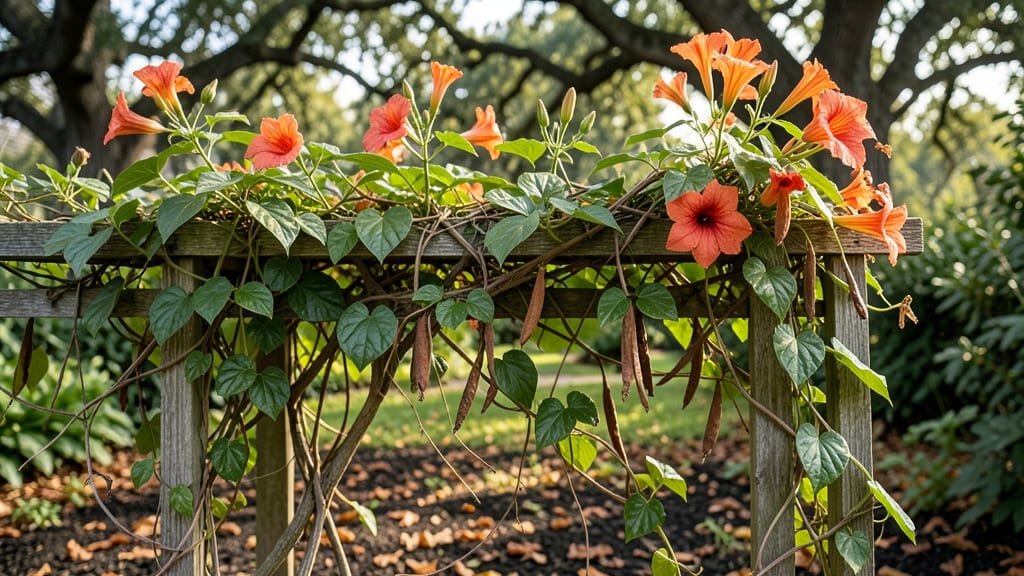
Cold-stratifying trumpet creeper seed pods unlocks next year’s vibrant orange blooms before most gardeners even think about starting seeds. 🌱 I’ve turned dozens of dried pods into thriving vines by mimicking nature’s winter dormancy—no greenhouse needed. The key?
Timing the harvest, breaking dormancy the right way, and giving seedlings the perfect start in well-draining soil. Most beginners skip cold stratification, assuming trumpet creeper seeds will sprout like tomatoes—but these seeds need 60-90 days of cold moisture to break dormancy.
I’ve found that planting pods in fall (before hard frost) and covering them with 3-4 inches of mulch works best. By spring, you’ll see tiny shoots pushing through, ready for transplanting. What you’ll end up with is a fast-growing vine that climbs fences, trellises, or arbors with shocking speed.
The first blooms arrive by midsummer, and by year two, your plant will be covered in trumpet-shaped flowers that hummingbirds adore. The best part? These seeds are beginner-friendly once you know the cold-stratification trick. Works in USDA zones 4-9, though southern gardeners may need to extend the cold period.
Here’s how to do it without losing patience (or seeds) along the way.
📚 In This Guide
- What you need
- Instructions
- Tips and common mistakes
- Wrapping up and next steps
What you need
- ● Mature trumpet creeper seed pods: Collect 3–5 healthy, fully ripe pods (brown, papery, and slightly dried). Aim for pods from late summer/early fall.
- ● Small pots or seed trays: 4–6 individual pots (3–4 inches deep) with drainage holes or a shallow tray with cell inserts.
- ● Well-draining potting mix: 1 bag (5–10 quarts) of a lightweight, sterile mix (e.g., 60% peat moss, 30% perlite, 10% vermiculite). Avoid garden soil—it can compact and rot seeds!
- ● Plastic storage bag or airtight container: For cold stratification (e.g., a gallon-sized ziplock bag with a breathable mesh window).
- ● Refrigerator: A cool (35–40°F) space (like a fridge crisper drawer) for 6–8 weeks of stratification.
- ● Spray bottle: With room-temperature water for gentle moisture control.
- ● Grow lights or sunny windowsill: A south-facing window or LED grow light (12–16 hrs/day) for seedlings.
- ○ Humidity dome or plastic wrap: Optional but helpful for humidity retention during germination.
- ● Seed-starting heating mat: Speeds up germination (70–75°F is ideal).
- ● pH testing kit: Check soil pH (6.0–7.0 is perfect for trumpet creeper).
- ● Fertilizer (diluted): A balanced liquid fertilizer (5-5-5) for seedlings after sprouting.
- ● Labeling tags: To track seed pods and planting dates.
- ● Pruning shears: For trimming pods to extract seeds easily.
Step-by-Step instructions for cold-stratifying trumpet creeper seed pods
Here's how to unlock next year's vibrant trumpet creeper vines from this season's seed pods!
🌱 Step 1: Harvest and Prepare Fresh Seed Pods
Collect mature trumpet creeper seed pods in late fall or early winter when they've turned brown and dried on the vine. Look for pods that open naturally—these contain fully developed seeds ready for stratification. I like to harvest them after the first frost when the pods are crisp but haven't yet released their seeds.
Remove any remaining pulp or dried flower parts from the seeds. You'll see small, flat, brown seeds inside. These need cold treatment to break their natural dormancy. Don't wash the seeds—they're sensitive to moisture at this stage. Simply spread them out to dry completely for 24 hours in a cool, dry place before stratification.
❄️ Step 2: Cold-Stratify for 60-90 Days
Fill a sealed plastic bag with a slightly damp paper towel or sphagnum moss. Place the trumpet creeper seeds inside, making sure they're not touching each other. The moisture should be just enough to keep the towel damp, not soggy. Seal the bag tightly and refrigerate it at 35-40°F for 60-90 days.
Check the bag monthly to ensure the paper towel remains moist but not dripping. This cold treatment mimics winter conditions and signals the seeds it's time to germinate. You'll know stratification is working when the seeds look slightly plump and firm—not shriveled or mushy. Real talk: if you skip this step, germination rates drop dramatically.
🌿 Step 3: Sow Stratified Seeds in Spring
Once stratification is complete, plant the seeds in well-draining potting mix in small containers. Press each seed ¼ inch deep into the soil—too deep and they won't emerge. I use 4-inch pots for each seed because trumpet creeper roots need room to establish. Keep the soil consistently moist but never waterlogged.
Place the pots in a warm, bright location with indirect light until germination occurs. You'll see tiny sprouts in 2-4 weeks—that's your signal to move them to a sunny windowsill or under grow lights. The moment you spot the first true leaves (not the initial seed leaves), it's time to give them more light.
☀️ Step 4: Transplant Seedlings After Last Frost
Wait until all danger of frost has passed in your area before moving seedlings outdoors. Harden them off by placing them outside in a sheltered spot for 1-2 hours the first day, gradually increasing time over 7-10 days. You'll know they're ready when they tolerate full sun without wilting.
Plant in a location with full sun and well-draining soil. Trumpet creepers are vigorous climbers, so choose a site with a trellis or fence nearby. Space plants 6-8 feet apart—they'll spread quickly and need room to grow. Water deeply after transplanting to help roots establish in their new home.
⏰ Step 5: Monitor and Support New Vines
Keep the soil consistently moist during the first growing season—young trumpet creepers are sensitive to drought. You'll see rapid growth once established, but watch for leggy stems if light is insufficient. Provide a sturdy trellis or support structure immediately, as these vines can grow 30-50 feet in a single season.
Fertilize lightly in spring with a balanced, slow-release fertilizer. These plants are hardy once mature, but young vines benefit from occasional feeding. By next summer, you'll have vibrant trumpet creepers ready to climb and bloom—just as you imagined!
Tips & tricks for perfectly stratified trumpet creeper seed pods
These game-changing tips will help you maximize your trumpet creeper germination success—because nothing beats seeing those vibrant vines climb next season!
Timing is Everything: Don't rush the 24-hour drying period in Step 1. I learned this the hard way after trying to speed it up—moisture-sensitive seeds need this full time to prepare for stratification. Place them on a paper towel in a single layer, and check periodically to ensure they're completely dry before moving to cold storage. This prevents mold and ensures healthy seeds.
Moisture Balance: The 60-90 days cold stratification in Step 2 requires precise moisture control. Use a spray bottle to mist the paper towel or sphagnum moss just until damp—not wet. I like to use a ziplock bag with a tiny hole for airflow. Check monthly and adjust if the towel feels dry or soggy. Proper moisture mimics natural winter conditions, breaking dormancy without over-stressing the seeds.
Visual Cues for Success: In Step 2, watch for seeds that look slightly plump and firm—not shriveled or mushy. This is your signal that stratification is working! If seeds appear shriveled, they're too dry; if mushy, they're too wet. I also recommend labeling each bag with the start date to track the exact 60-90 days period. This prevents over-stratification, which can reduce germination rates.
Hardening Off: The 1-2 hours outdoor acclimation in Step 4 is crucial for transplant success. Start with just 1 hour on the first day, even if your local frost date suggests you can handle more. Watch for wilting—this is your plant's way of saying "too much sun too soon!" Gradually increase exposure over 7-10 days to build resilience. I've seen seedlings struggle when rushed outdoors, so patience here pays off with stronger plants.
Pro Tips for Trumpet Creeper Seed Pods
- These game-changing tips will help you maximize your trumpet creeper germination success—because nothing beats seeing those vibrant vines climb next season!
- Timing is Everything: Don't rush the 24-hour drying period in Step 1.
- Moisture Balance: The 60-90 days cold stratification in Step 2 requires precise moisture control.
Frequently asked questions
Got questions about handling trumpet creeper seed pods? You’re not alone! Here are answers to the most common queries to help you master cold stratification and grow stunning vines next season.
How do I know when trumpet creeper seed pods are ready for harvesting?
Harvest seed pods when they turn brown and papery (usually late fall or early winter). Avoid green pods—they’re not fully mature. Gently twist or cut them off the vine to avoid damaging the plant. Store them in a dry, cool place until stratification.
How long should I cold-stratify trumpet creeper seeds?
Cold stratification requires 60–90 days in the fridge (33–41°F). Place seeds in a damp paper towel or moist sand inside a sealed bag. Check them monthly—if they sprout early, move them to room temp. Patience pays off for stronger seedlings!
What if my seeds don’t germinate after stratification?
Try these fixes:
- Check moisture: Seeds need consistent dampness (not soggy!). Mist the towel or sand lightly.
- Test viability: Soak a few seeds in warm water for 24 hours—if they sink, they’re likely good.
- Extend stratification: Some seeds need up to 120 days. Don’t rush!
Can I grow trumpet creeper from seed pods without cold stratification?
Cold stratification dramatically improves germination rates (from ~10% to 80%+). Without it, seeds may take years to sprout—or not at all. If you’re impatient, try soaking seeds in warm water for 48 hours before planting, but expect slower results.
Are trumpet creeper seed pods toxic or invasive?
Nope! The pods themselves are non-toxic, but the vine can be aggressive in warm climates (Zones 6–9). Plant in containers or controlled areas if invasiveness is a concern. Always check local regulations—some regions restrict trumpet creeper due to its spreading habit.
Pro Tip: Label your seed pods!
Trumpet creeper varieties (like Campsis radicans or Campsis grandiflora) can look similar. Jot down the parent plant’s traits (color, size) to ensure you grow what you love. Happy gardening!
Wrapping up and next steps
Mastering the art of cold-stratifying trumpet creeper seed pods ensures a head start on next year’s lush, vibrant vines—no guesswork required! With the right materials and a little patience, you’ll unlock a garden bursting with fiery red blooms and effortless charm.
Now that you’re armed with expert tips, why not share your newfound knowledge? 🌱
🌟 Your Next Step:
- Grab those seed pods and start stratifying—your future garden will thank you!
- Tag a fellow gardener below with your progress or favorite trumpet creeper varieties.
- Explore more seed-saving hacks to keep your green thumb growing!