
Transplanting
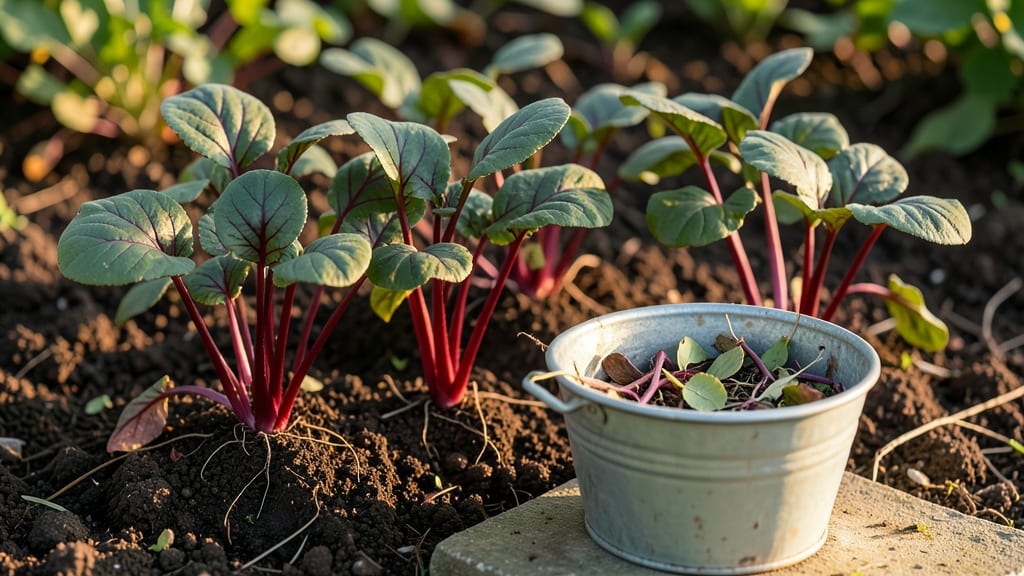
Thinning beetroot seedlings isn't just about space—it's how you get those straight, bushy roots we all dream of. 🌱 I learned the hard way that crowded seedlings fight for nutrients, leaving you with forked, misshapen beets. The secret?
Thin them when they're 2-3 inches tall, and you'll see a difference in just three weeks. You'll need sharp scissors or your fingers, a sunny spot with 12-18 inches between plants, and a little patience.
The goal is to leave the strongest seedlings standing while gently removing the rest. No need for drama—just a quick snip and a light tug. What you'll end up with are bold, cylindrical roots that grow faster and sweeter than anything from the store.
The plants will spread out, soak up sunlight, and reward you with harvests that make your neighbors ask, "What's your secret?" Don't toss those extras—transplant them to a shady spot or share with friends. Every seedling deserves a chance to thrive, even if it's not in your main bed.
Here's how to do it right the first time.
📚 In This Guide
- What you need
- Instructions
- Tips and common mistakes
- Wrapping up and next steps
What you need
- ● Beetroot seedlings: 2–4 weeks old (about 1–2 inches tall) with true leaves visible. Aim for healthy, sturdy seedlings—avoid leggy or weak ones!
- ● Garden soil or potting mix: Well-draining, loose soil (e.g., 50% garden soil + 50% compost or a seed-starting mix). 💡 Pro Tip: Avoid heavy clay soil—it can stunt root growth!
- ● Garden bed or containers: For in-ground planting: A sunny spot with at least 6 hours of light, spaced 3–4 inches apart in rows 12–18 inches apart.
- ● For containers: Pots 6+ inches deep with drainage holes (e.g., 5–6 seedlings per 12-inch pot).
- ● Watering can or hose: With a gentle spray nozzle to avoid disturbing seedlings.
- ● Hand trowel or small hand fork: For loosening soil and making planting holes.
- ● Scissors or pruning shears: Sterilized (rubbing alcohol wipe) for clean cuts.
- ● Seedling tray or flat: For temporarily holding thinned seedlings (if transplanting later).
- ● Gloves: To keep hands clean while handling soil and seedlings.
- ● Ruler or spacing marker: To ensure 3–4 inch gaps between seedlings.
- ● Compost or organic fertilizer: A balanced 10-10-10 or fish emulsion to boost growth after thinning.
- ● Mulch (e.g., straw or shredded leaves): To retain moisture and suppress weeds.
Step-by-step guide to thinning beetroot seedlings
Here’s how I transform crowded, tangled seedlings into strong, straight roots ready for harvest.
🌱 Step 1: Wait Until Seedlings Have 2 True Leaves
Thinning too early weakens roots, so wait until each seedling has two true leaves—those are the second set after the initial cotyledons. You’ll know they’re ready when the leaves look like tiny versions of mature beet greens, not the rounded seed leaves. This usually happens 2-3 weeks after germination, depending on your climate.
I like to thin on a cloudy day or early morning when the soil is moist but not soggy. The goal is to minimize stress on the plants. If the seedlings are still crowded but haven’t developed true leaves yet, wait another week—they’ll catch up quickly with good light and water.
💧 Step 2: Water the Soil Thoroughly Before Thinning
Water the seedlings deeply the day before thinning so the soil is moist but not waterlogged. This makes the roots more flexible and reduces shock when you handle them. If the soil is dry, the seedlings will be brittle, and you risk snapping stems instead of cleanly removing extras.
I use a watering can with a gentle spray nozzle to avoid disturbing the seedlings. The soil should feel damp 1-2 inches down—stick your finger in to check. If it’s dry, water again and wait until the moisture penetrates before proceeding.
✂️ Step 3: Snip or Pull the Weakest Seedlings
Use clean scissors or fingers to remove the thinnest, weakest seedlings first. I like to leave 2-3 inches of space between remaining plants—this gives roots room to thicken and prevents competition. Gently grasp the seedling at the base and pull upward, or use sharp scissors to cut just above the soil line to avoid disturbing roots.
Here’s the thing—don’t yank too hard. You want to remove the whole seedling without tugging on the ones you’re keeping. If the soil is loose, the seedlings will pull out easily. If it’s compacted, use a small trowel to loosen the soil slightly before pulling.
☀️ Step 4: Monitor and Thin Again if Needed
After the first thinning, check the seedlings again in 1-2 weeks. If they’ve grown taller but are still crowded, thin a second time to ensure 3-4 inches of space between plants. This second pass ensures only the strongest seedlings remain, which translates to straighter, bushier roots.
Watch for signs of stress like yellowing leaves or stunted growth—these are red flags that you’ve thinned too aggressively. If you see this, leave the remaining plants alone and focus on keeping the soil moist and the area weed-free. Strong roots develop when they’re not competing for nutrients.
🪴 Step 5: Keep Soil Moist and Weed-Free
After thinning, mulch the area with 1-2 inches of straw or grass clippings to retain moisture and suppress weeds. Beets need consistent moisture to develop sweet, tender roots, so water 1 inch per week, more if your area is particularly hot or dry. You’ll know the soil is right when the surface feels slightly damp but not wet to the touch.
Weeds compete for nutrients, so pull them by hand as soon as they appear. A quick weekly check keeps your beet patch clean. In 3-4 weeks, you’ll see the difference—thick, straight roots ready for harvest, with no tangles or deformities.
Tips & tricks for perfect beetroot seedling care
Here's what nobody tells you about getting those perfect, straight beet roots—it's all in the details.
Timing is Everything: Those 2-3 weeks after germination are critical for root development. If you thin too early, you'll stunt growth—wait until you see the second set of leaves (the true leaves) that resemble miniature beet greens. I've learned the hard way that rushing this step leads to weak, forked roots later on. The extra week of patience pays off with thicker, straighter beets.
Soil Prep Matters More Than You Think: The 1-2 inches of damp soil before thinning isn't just about moisture—it's about reducing shock. I've found that seedlings pull out cleanly when the soil is just right: damp enough to hold together but not soggy. If your soil feels dry deeper than 2 inches, water again and wait 24 hours before thinning. This simple step prevents those frustrating broken stems that leave gaps in your rows.
Spacing Strategy for Maximum Yield: The 2-3 inches between plants in Step 3 might seem generous, but trust me on this—it's what transforms crowded seedlings into proper beets. I've seen gardeners leave them too close, resulting in tiny, misshapen roots. After the first thinning, mark your spacing with small sticks if needed. When you do that second thinning in 1-2 weeks, you'll be amazed at how much room those roots need to develop properly.
Mulching Hack: That 1-2 inches of straw or grass clippings isn't just decoration—it's your moisture insurance policy. I've found that mulched beds stay consistently damp for days longer than unmulched ones. The key is to apply it right after thinning when you've got clean rows. This single step cuts my watering time in half while preventing weeds from stealing nutrients from your beets.
Pro Tips for Thinning Beetroot Seedlings
- Here's what nobody tells you about getting those perfect, straight beet roots—it's all in the details.
- Timing is Everything: Those 2-3 weeks after germination are critical for root development.
- Soil Prep Matters More Than You Think: The 1-2 inches of damp soil before thinning isn't just about moisture—it's about reducing shock.
Frequently asked questions
Got questions about thinning beetroot seedlings? You’re not alone! Here are some of the most common concerns—plus quick, actionable answers to keep your garden thriving.
How do I know when it’s time to thin beetroot seedlings?
Thin seedlings when they’re about 2–3 inches tall and have 2–3 true leaves. Crowding triggers competition for nutrients, leading to stunted, forked roots. Aim for 3–4 inches between plants for round, plump beets.
Can I thin seedlings too early or too late?
Thinning too early (before 2 inches) risks damaging delicate roots. Too late (after 4+ inches) stresses plants and reduces yield. Act when seedlings are sturdy but still small—3 weeks after sowing is ideal for most varieties.
What’s the best way to thin without hurting the plants?
Use sharp scissors or a knife to snip seedlings at soil level (avoid pulling to prevent root disturbance). For a gentler touch, grab seedlings by the stem near the base and twist gently. Reuse thinned greens in salads—they’re packed with nutrients!
What should I do with the thinned seedlings?
Don’t waste them! Eat the greens raw in salads (they’re mild and sweet) or sauté like spinach. Compost the roots if they’re too woody, or plant them deeper in the soil to grow into smaller beets (a trick called “hill planting”).
Will thinning affect beetroot flavor or size?
Proper spacing ensures sweeter, straighter roots with fewer blemishes. Overcrowded beets often fork (split) or stay small. Bonus: Thinned plants also mature faster, giving you harvests 2–3 weeks earlier than crowded batches.
What if my seedlings are already too close? Can I still fix it?
Yes! Loosen the soil gently with a fork, then carefully separate clumps by hand. If roots are tangled, snip one plant per clump and replant the healthiest seedling. Water thoroughly after to reduce shock. Prevention is key—next time, sow seeds ½ inch deep and 1 inch apart.
Wrapping up and next steps
Thinning beetroot seedlings might feel like a delicate task, but with the right tools and timing, you’ll soon be rewarded with straight, vibrant roots ready for harvest! 🌱 Remember, patience and precision pay off—your effort now ensures healthier plants and a bountiful harvest in just three weeks.
Ready to take the next step? Monitor your seedlings daily for signs of stress or new growth, and don’t forget to water gently after thinning. Soon, you’ll be enjoying those plump, earthy beetroots straight from your garden!