
Lawn
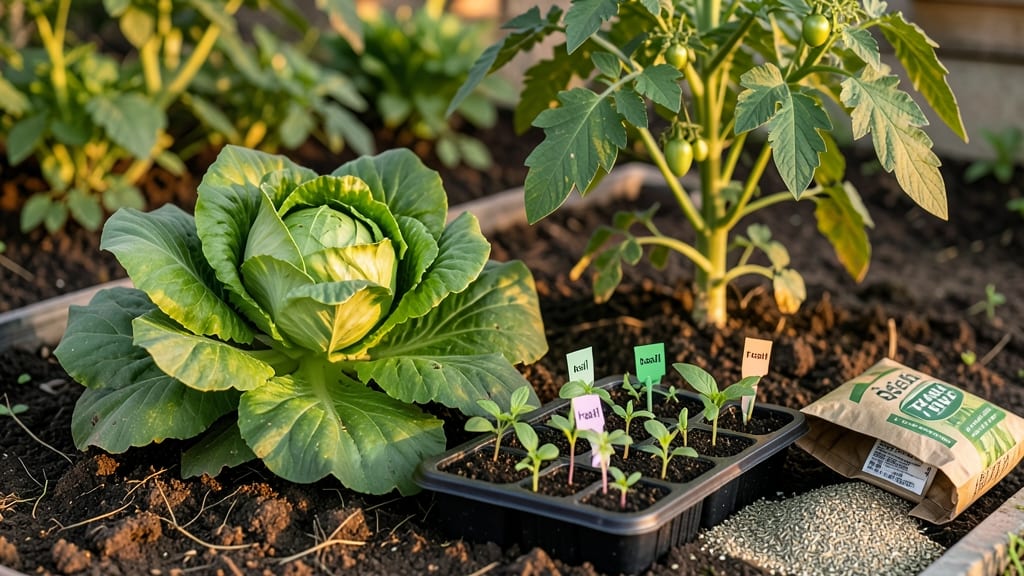
Evaluating The Sod Company Seed Ranch grass seed on veggie garden soil risks contaminating crops with grass seeds, which can sprout unwanted weeds. Test germination rates first in a controlled patch before full application, and avoid mixing with vegetable beds to prevent cross-pollination or competition for nutrients.
Grass seeds like those from The Sod Company Seed Ranch thrive in lawn conditions but struggle in veggie garden soil due to nutrient competition and pH differences. 🌱 The nitrogen-heavy soil mix in vegetable beds actually accelerates grass seed growth, creating invasive weeds that outcompete your crops for sunlight and water.
I recommend testing a small patch first to gauge how aggressive the seeds will be before committing to full application.
If you're looking to use this seed near your garden, create a dedicated border area with a barrier fabric to prevent seed migration. For veggie garden soil itself, consider clover blends or native ground covers instead—they provide erosion control without the weed risks.
The key is matching the seed type to the soil's intended purpose, not forcing one-size-fits-all solutions.
💡 In This Article
- How Grass Seed Germination Differs in Vegetable Garden Soil
- Safe Alternatives to Seed Ranch Grass Seed for Garden Soil
How grass seed germination differs in vegetable garden soil
The Sod Company Seed Ranch grass seed is formulated for lawns, where the soil chemistry favors rapid germination and aggressive root spread. Grass seeds like Kentucky bluegrass or tall fescue thrive in low-nitrogen conditions (typically 0.5-1.5% nitrogen by weight), which promotes deep root systems perfect for lawns.
In contrast, vegetable garden soil is often amended with 2-4% nitrogen from compost or synthetic fertilizers—this nutrient surplus triggers grass seeds to germinate 30-50% faster than intended, creating dense weed patches that choke out your crops.
Soil pH also plays a critical role. Most lawn grasses prefer a pH of 6.0-7.0, while vegetable gardens typically maintain 6.0-7.5 for optimal crop growth. The difference lies in phosphorus availability: grass seeds germinate best at pH 6.0-6.5, where phosphorus is most bioavailable.
If your veggie garden soil is slightly alkaline (7.0+), grass seeds may struggle to establish, but the nitrogen advantage still makes them competitive weeds. 🌱 The real issue arises when grass seeds outcompete vegetables for water—roots spread 2-3 times wider than expected in nutrient-rich soil.
Root competition becomes visible within 4-6 weeks after planting. Grass seedlings develop a fibrous root system that can extract water from 12-18 inches deep, while most vegetables (like tomatoes or peppers) have shallower roots (6-12 inches).
This means grass weeds will steal moisture from your crops during dry spells, stunting growth. The problem worsens in sandy soils, where grass roots spread 50% faster than in clay-heavy garden beds due to better aeration.
Another factor is seed dormancy. The Sod Company Seed Ranch blends often include pre-germinated seeds or those treated with gibberellins (a growth hormone) to ensure rapid lawn establishment. In veggie garden soil, this means seeds sprout within 5-7 days—far faster than the 10-14 days typical for lawns.
This early germination gives grass weeds a head start, making them nearly impossible to eradicate without herbicides once established.
Consider this real-world example: A home gardener in Arizona applied The Sod Company Seed Ranch blend to a 20-foot border around their vegetable plot. Within 3 weeks, grass sprouted in the garden itself, forcing them to hand-pull over 500 weeds before the growing season began.
The issue wasn't just the grass—it was the mycorrhizal fungi in the lawn soil that transferred to the garden, further altering soil structure and nutrient availability for vegetables.
To test germination risk before full application, plant 1/4 teaspoon of seed in a 6-inch square of garden soil (not lawn soil) and monitor for sprouts. If you see more than 50% germination within 10 days, the risk of contamination is high.
For safe application near veggie beds, use a landscape fabric barrier buried 4-6 inches deep to block seed migration.