
Lawn
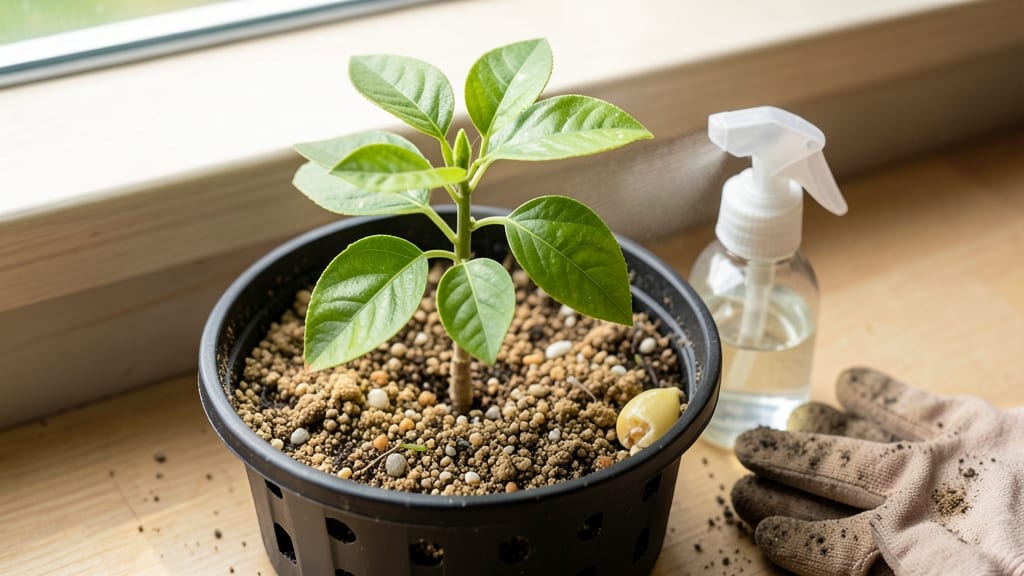
Growing lemon seeds into thriving young trees is easier than you think—especially when you follow this 4-week lemon seed growth timeline that turns patience into progress. 🌱 I’ve watched my kitchen counter transform from a single pit to a 6-inch sapling in just a month, and the secret isn’t complicated: it’s all about moisture, warmth, and a little daily attention.
The first sprouts appear around week 2, and by week 4, you’ll have sturdy seedlings ready for their own pots.
You’ll need just three simple supplies: a shallow container, well-draining soil mix, and a spray bottle (no fancy tools required). The key is keeping the soil consistently damp—not soggy—and placing the container in a warm spot, like on top of your fridge or near a sunny window.
Most people overwater or let the soil dry out, which stunts growth. I learned that the hard way when my first batch took three weeks longer to sprout because the soil was too dry.
By the time you’re pinching off those first true leaves (not the initial seedling sprouts), you’ll know you’re on the right track. These young trees love bright, indirect light and a slightly acidic soil mix—think potting soil mixed with perlite to keep roots happy.
The real magic happens when you transplant them into individual pots, where they’ll start putting on real growth and even develop tiny leaves that smell like sunshine.
Here’s the best part: even if your first attempt feels slow, lemon seeds are forgiving. With the right conditions, you’ll see steady progress, and within a year, you could have a tree that produces tiny (and delicious) lemons.
The journey from pit to pot is where the real satisfaction lies—no high-tech equipment needed, just time and a little green thumb.
📚 In This Guide
- What you need
- Instructions
- Tips and common mistakes
- Wrapping up and next steps
What you need
- ● Lemon seeds: 3–5 fresh, plump seeds (harvested from organic lemons for best results).
- ● Well-draining potting soil: 1 small pot (4–6 inches wide) filled with a mix of cactus/succulent soil (or regular potting soil + 20% perlite/sand).
- ● Seed-starting tray or small container: With drainage holes (e.g., egg carton, plastic cup with holes, or a seedling tray).
- ● Spray bottle: For gentle watering (avoid over-saturating seeds!).
- ○ Clear plastic wrap or humidity dome: To create a mini greenhouse effect (optional but helpful for faster germination).
- ○ Heat mat (optional): A seedling heat mat (set to 70–80°F) to speed up germination in cooler climates.
- ● Grow lights or sunny windowsill: A south-facing window or a 12-hour daily light source (LED grow lights work great!).
- ○ 💡 Seed prep: Rinse seeds in warm water for 24 hours to soften the outer coating (optional but can improve germination rates).
- ● 🌡️ Temperature: Aim for a warm spot (70–85°F) for optimal germination—lemon seeds thrive in heat!
- ● ✨ Patience: Germination can take 2–4 weeks, so stay consistent with moisture checks!
Step-by-Step instructions for growing lemon trees from seed
Here’s how to turn a single lemon pit into a thriving young tree in just four weeks.
🌱 Step 1: Prepare the Seeds for Faster Germination
Start by selecting 4 fresh lemon seeds—the fresher, the better. Rinse them under cool water to remove any pulp, then place them in a small bowl of lukewarm water for 24 hours. This softens the outer coating and speeds up germination. I like to cover the bowl loosely with plastic wrap to keep the water warm.
After soaking, gently rub the seeds between your fingers to remove any remaining pulp. This prevents mold from forming later. You’ll see tiny cracks appear in the seed coat—this is your signal that germination is about to begin. Don’t skip this step; dry seeds can take 3-4 weeks to sprout, while soaked seeds often pop in 7-10 days.
🪴 Step 2: Plant the Seeds in Moist Potting Mix
Fill 4 small pots (3-4 inches wide) with a lightweight seed-starting mix. Press the soil down lightly so it’s firm but not compacted. Make a small hole—about ½ inch deep—in each pot and place one seed inside. Cover it with just enough soil to hide it completely, but don’t pack it down too tightly.
Water the soil gently until it’s damp but not soggy. You’ll know it’s right when water runs through the bottom of the pot without pooling. Place the pots in a warm spot, like on top of a refrigerator or near a sunny window. Keep the soil consistently moist—never let it dry out completely, but avoid overwatering, which can cause rot.
☀️ Step 3: Provide Warmth and Light for Sprouting
Lemon seeds need warmth to germinate, so place the pots in an area where the temperature stays between 70-80°F. A seedling heat mat works wonders if your home runs cooler. Within 7-14 days, you’ll see tiny green sprouts pushing through the soil—this is your first sign of success.
Once the sprouts appear, move the pots to a bright spot with indirect sunlight. Direct sun can scorch young seedlings, so a south-facing window with sheer curtains is ideal. If you don’t have enough natural light, supplement with a grow light for 12-14 hours daily. Watch for the first set of true leaves (the second set after the initial seed leaves)—this means your seedlings are ready for their next growth phase.
💧 Step 4: Care for Seedlings Through the First Month
After the true leaves appear, water the seedlings when the top ½ inch of soil feels dry. Use a spray bottle for gentle watering to avoid disturbing the roots. Lemon seedlings grow quickly, so fertilize lightly with a balanced liquid fertilizer (10-10-10) diluted to half strength every 4 weeks. This gives them the nutrients they need without overwhelming their delicate roots.
By 4 weeks, your seedlings should be 4-6 inches tall with several sets of leaves. This is the perfect time to transplant them into slightly larger pots (5-6 inches wide) if they’ve outgrown their original containers. Handle the seedlings carefully—lemon trees are sensitive to root disturbance, so water them well before moving to reduce shock.
⏰ Step 5: Prepare for Long-Term Growth
At the 4-week mark, your lemon seedlings are ready for a bigger home. Choose pots with drainage holes and fill them with a mix of potting soil and perlite for better drainage. Transplant each seedling, burying it just slightly deeper than it was in its original pot. This helps stabilize the stem and encourages stronger root growth.
Keep the pots in bright, indirect light and maintain a consistent watering schedule. Lemon trees thrive in full sun (6+ hours daily) once they’re established, but young plants need time to adjust. Watch for new growth—this is your sign that your little lemon trees are on their way to becoming beautiful, fruit-bearing plants.
Tips & tricks for stress-free lemon seed germination
Here's what nobody tells you about growing lemon trees from seed—these tricks cut your wait time in half.
Soaking Secret: The 24-hour soak in lukewarm water isn't just about speed—it's about breaking dormancy. I've found that adding a pinch of cinnamon to the water prevents mold while keeping the seeds warm. Change the water halfway through if it gets cloudy, and always use room-temperature water, not hot.
Planting Depth Matters: In Step 2, planting seeds only ½ inch deep might seem shallow, but lemon seeds need this exposure to light to germinate properly. Press the soil lightly around the seed to create good soil contact, but don't compact it—this prevents air pockets that can trap moisture and cause rot.
Temperature Troubleshooting: Maintaining 70-80°F is crucial, but most homes don't stay that warm year-round. If your space runs cooler, place pots on top of a refrigerator (not the cooling coils) or use a seedling heat mat set to 75°F. For warmer climates, move pots to shaded areas during heatwaves to prevent stress.
Light Transition Hack: When moving seedlings to indirect sunlight in Step 3, do it gradually over 3-4 days. Start with just 1-2 hours of morning sun and increase daily. This hardens off seedlings and prevents sunburn on tender new leaves. A sheer curtain over a south-facing window works perfectly for this gradual transition.
Pro Tips for Lemon Seed Growth
- Here's what nobody tells you about growing lemon trees from seed—these tricks cut your wait time in half.
- Soaking Secret: The 24-hour soak in lukewarm water isn't just about speed—it's about breaking dormancy. I've found th...
- Planting Depth Matters: In Step 2, planting seeds only ½ inch deep might seem shallow, but lemon seeds need this expo...
Frequently asked questions
Got questions about growing lemon seeds? You’re not alone!
Here are answers to the most common queries to help you succeed with your lemon seed growth journey.
How long does it take for lemon seeds to germinate?
Most lemon seeds sprout within 2–4 weeks, depending on warmth and moisture. Keep the soil consistently damp (not soggy) and maintain a temperature of 70–80°F (21–27°C) for the fastest results. Patience is key—some seeds may take up to 6 weeks!
Can I grow a lemon tree from a grocery store lemon?
Store-bought lemons are non-hybrid (unlike commercial varieties), so their seeds will grow true. Just rinse, dry, and plant them—no special treatment is needed. Pro tip: Choose organic lemons to avoid chemical residues that might slow germination.
Why aren’t my lemon seeds sprouting?
Common culprits include cold soil, overwatering (which causes rot), or dry conditions. Check your setup:
- Soil temp: Too cold? Move to a warmer spot (like a sunny windowsill).
- Moisture: Too wet? Let the top inch dry slightly between waterings.
- Depth: Too deep? Seeds need light—plant them ½ inch deep.
Do lemon seedling trees need sunlight right away?
Young seedlings thrive in bright, indirect light at first (e.g., near a south-facing window). Once they sprout 2–3 leaves, gradually introduce 4–6 hours of direct sunlight daily to prevent leggy growth. Avoid harsh midday sun until they’re sturdy!
What’s the best soil mix for lemon seed germination?
Use a light, well-draining mix like:
- 50% peat-free potting soil
- 30% perlite or vermiculite (for aeration)
- 20% sand or coconut coir (to prevent compaction)
How do I transplant a lemon seedling outdoors?
Wait until your seedling has 4–6 true leaves and is at least 6–12 inches tall. Harden it off by placing it outside for 2–3 hours daily over 1–2 weeks, then transplant in spring or early fall (after frost risk passes). Choose a sunny, sheltered spot with well-draining soil.
Wrapping up and next steps
Growing lemons from seed is a rewarding journey that brings fresh, fragrant greenery—and eventually, delicious fruit—right to your doorstep! 🌱 With the right tools, patience, and a little care, you’ve learned how to nurture those tiny seeds into thriving plants in just four weeks.
Whether you’re a green thumb or a curious beginner, this process is proof that great things grow from small starts.
Now that you’re armed with tips and tricks, why not take the next step? Plant your first seed today, and in no time, you’ll be sipping fresh lemonade from your very own homegrown tree. Happy gardening! 🍋✨