
How To
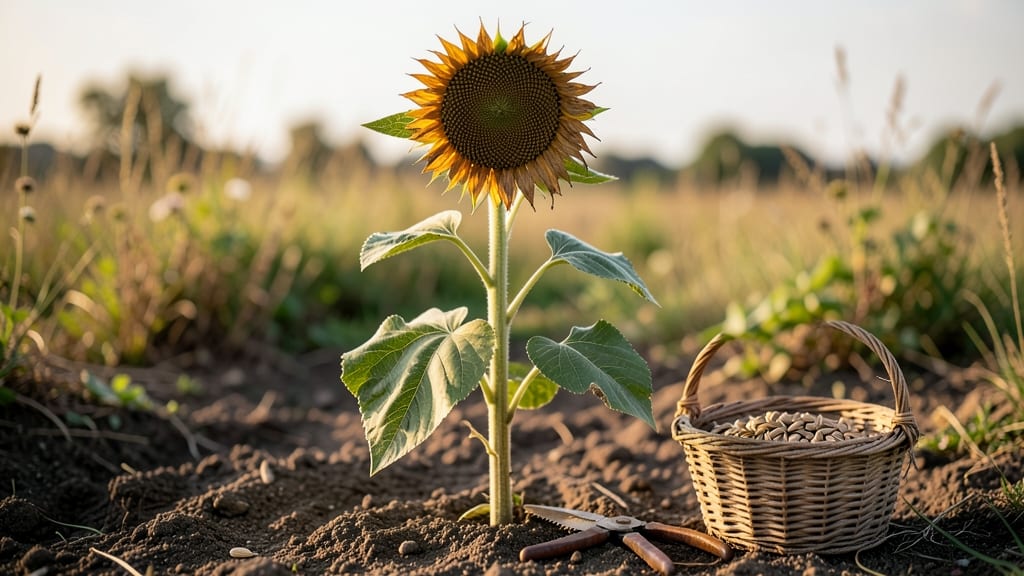
Knowing when sunflower seeds are ready to harvest means catching them at the perfect moment—neither too soon nor too late—so you don’t miss out on flavor or risk losing your crop to pests or frost.
Sunflowers aren’t just stunning additions to your garden—they’re a delicious, nutrient-packed harvest waiting to happen. But timing is everything: Pick too early, and you’ll miss out on flavor and nutrition; wait too long, and you risk attracting pests or losing your crop entirely.
Most gardeners rely on visual cues like a dry, brown seed head or petals that wilt naturally. But there’s one simple trick—the back-of-hand test—that tells you with certainty whether your 🌻 seeds are ready.
I’ll walk you through it, plus how to avoid common mistakes that ruin a harvest.
By the end, you’ll know exactly when to pick for the best seeds, how to store them properly, and even creative ways to use them beyond the garden. Let’s get started!
The back-of-hand test: sunflower seed ripeness explained
Knowing exactly when to harvest sunflower seeds can feel like guessing—until you master the back-of-hand test. This simple, foolproof method combines visual cues and tactile checks to ensure you pick seeds at their peak for maximum flavor and yield.
Whether you're growing giant sunflowers or compact varieties, this guide will help you avoid common mistakes like harvesting too early or too late.
The secret lies in the seed head's color and texture. When the back of the head turns brown and the petals wilt naturally, it’s time to act. But don’t rush—wait until the seeds feel firm and the stem dries out completely.
This balance ensures your seeds are fully mature and ready for storage or planting.
Why timing matters: Harvest too soon, and seeds won’t germinate well; wait too long, and birds or pests will feast on them. The back-of-hand test eliminates guesswork by combining visual inspection with a quick touch. Here’s how to do it right every time.
- 1 Check the seed head color: Look for a uniform brown back (not green or yellow). The petals should be wilted and dry, often falling off naturally.
- 2 Perform the back-of-hand test: Gently touch the back of the seed head. It should feel dry and papery, not moist or spongy. If it’s still slightly green, wait 3-5 more days.
- 3 Shake the seed head: Hold the head over a dark surface (like a paper bag) and shake gently. If seeds rattle and fall out easily, they’re ready. If they stick or feel soft, wait another 1-2 weeks.
- 4 Inspect the stem: The main stem should be dry and brittle near the base. Snap it—if it breaks cleanly, your seeds are ready. A green or flexible stem means they need more time.
- 5 Avoid frost risk: Harvest before the first frost (typically by mid-October in Zone 6a). Frost can cause seeds to sprout prematurely or develop mold.
Pro tip: Use a paper bag to collect fallen seeds during the day. This gives you a daily progress check—if seeds are dropping naturally, your sunflowers are nearing peak ripeness. Just be sure to harvest the entire head once you’re ready, as remaining seeds may attract pests.
If you’re growing sunflowers for bird feeders, you can leave some heads on the stalk until winter. But for storage or planting, always harvest at the dry, brown stage to preserve quality. Once picked, let heads dry in a well-ventilated, dark place for 1-2 weeks before shelling.
Remember, patience pays off. Rushing the harvest means softer seeds that won’t store well, while waiting too long risks bird damage or seed loss. The back-of-hand test ensures you never miss the window again—no matter your sunflower variety.
For extra confidence, mark your planting date and use it as a reference. Most sunflowers take 80-120 days to mature, so if you planted in early May, expect harvests by late July to September.
Adjust for your local climate, but always prioritize the visual and tactile cues over the calendar.
Once you’ve mastered the back-of-hand test, you’ll consistently harvest perfect seeds—ready for roasting, planting, or sharing with fellow gardeners. Happy harvesting!
Common mistakes that ruin your sunflower harvest (and how to avoid them)
Even with perfect growing conditions, your sunflower harvest can still go wrong if you miss subtle signs of overripeness or underripeness. I’ve learned the hard way—overripe seeds attract birds and mold, while underripe seeds won’t germinate well.
The key is knowing exactly when to act and how to protect your crop from environmental threats.
One of the biggest mistakes I see is ignoring the back-of-the-hand test. Many gardeners wait until the seed head is completely dry, but by then, pests like squirrels or birds may have already feasted on your hard work.
Another common error is harvesting seeds that are still slightly green inside—these won’t store well and may spoil before you can use them.
⚠️ callout warning
Overripe seeds: Brown seed head with dry, papery texture but birds already pecking at them. Seeds may mold quickly if left too long.
Underripe seeds: Green or partially green seed head, moist inside, and seeds won’t rattle when shaken. These won’t store properly.
Perfect ripeness: 80-90% brown seed head, petals wilted, and seeds rattle loudly when shaken. Harvest before 100% dry to avoid pests!
Humidity is another silent harvest killer. If your climate is damp or rainy, sunflower seeds can develop mold or rot even after picking. I’ve had entire batches ruined because I didn’t account for high humidity levels during late summer.
The solution? Use a dehydrator or paper bags with holes to dry seeds indoors if outdoor conditions are too moist.
Pests are the ultimate spoilers. Birds, squirrels, and even insect larvae can destroy your harvest in days. I’ve seen sunflower heads completely hollowed out overnight! To protect your crop, cover heads with breathable mesh bags once they’re 70% brown.
This keeps pests out while still allowing seeds to dry naturally.
Once you’ve harvested, storage conditions make or break seed viability. I store my seeds in airtight containers with silica gel packets to absorb moisture. Keep them in a cool, dark place—a pantry or basement works best.
If stored properly, sunflower seeds can last 2-3 years, but check for moisture or pests every few months.
Don’t let these common mistakes ruin your hard-earned harvest. Pay attention to seed color, texture, and environmental cues, and act quickly once your sunflowers reach peak ripeness. With the right timing and storage, you’ll enjoy a bountiful, pest-free harvest every season! 🌾