
Lawn
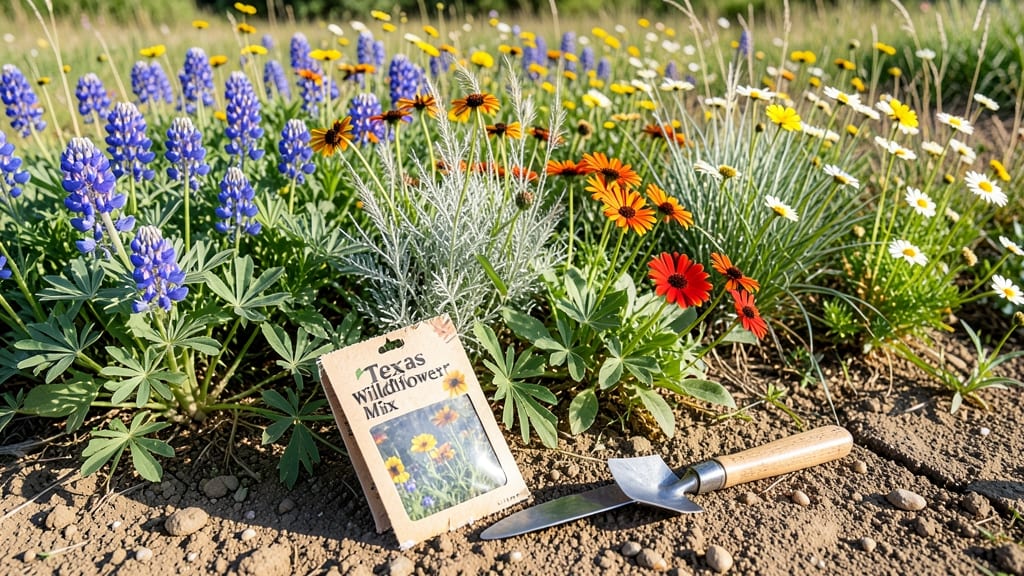
A single bag of Texas wildflower seed mix can transform your yard into a buzzing pollinator paradise. 🌻 I’ve planted mine every fall for three years now, and each spring brings a riot of color that attracts bees, butterflies, and hummingbirds—something my neighbors’ manicured lawns can’t compete with.
The key isn’t just throwing seeds on the ground; it’s preparing the soil, timing the planting right, and understanding what these tough natives actually need to thrive.
The best time to plant is after the first frost, when summer heat has passed but before winter rains set in. You’ll need a sunny spot—at least 6 hours of direct sunlight daily—and soil that drains well, since Texas wildflowers despise soggy roots.
Skip the fancy amendments; these plants evolved to love lean, rocky soil. Once sown, a light raking and gentle watering (just enough to keep the soil damp for the first week) is all they need to get started.
By mid-spring, you’ll see a carpet of bluebonnets, Indian paintbrush, and black-eyed Susans pushing through the soil. The blooms last all summer with minimal care—just occasional watering during droughts and deadheading spent flowers to encourage more blooms.
My yard now stays green and vibrant when other lawns turn brown, and the hummingbirds put on a show every morning.
This mix works in urban yards, rural fields, or even along roadsides—anywhere with sun and space. The real magic happens when you let nature take over after the first year.
Fewer weeds, more pollinators, and zero mowing. That’s the Texas way of gardening: simple, resilient, and beautiful without trying too hard.
📚 In This Guide
- What you need
- Instructions
- Tips and common mistakes
- Wrapping up and next steps
What you need
- ● Texas wildflower seed mix – 1-5 lbs (depending on area size; ~1 lb covers ~1,000 sq. ft.). Choose a native mix (e.g., bluebonnets, black-eyed Susans, or Indian paintbrush) for best results.
- ● Garden rake or hand rake – For loosening soil and creating a fine seedbed.
- ● Hoe or cultivator – To remove weeds and debris from the planting area.
- ● Water source (hose or sprinkler) – A gentle spray nozzle helps avoid displacing seeds.
- ○ Gloves (optional but recommended) – Protects hands from thorns or rough soil.
- ● Seed spreader – Ensures even distribution for large areas.
- ● Mulch or straw – Lightly covers seeds to retain moisture (avoid heavy mulch—it can smother sprouts!).
- ● Compost or fertilizer – A balanced, low-nitrogen blend (e.g., 5-10-10) can boost early growth.
- ● Row markers or flags – Useful for tracking planting zones if mixing with other plants.
- ● Bird netting (temporary) – Deters hungry birds from snacking on fresh seeds.
Step-by-step guide to planting Texas wildflower seed mix
Here’s how to create a thriving pollinator garden that comes back bigger every year.
🌱 Step 1: Choose the Perfect Planting Spot
Select an area with full sun—at least 6 hours of direct sunlight daily—since most Texas wildflowers need bright light to bloom well. Avoid low spots where water pools after rain, as soggy soil can rot seeds before they sprout. I like to test the spot by observing how dry it stays after a week without rain—if the soil feels damp, it’s too wet.
Clear any existing vegetation, but don’t till deeply. Wildflowers thrive in undisturbed soil, and turning the earth too much can bring up weed seeds or bury seeds too deep. Use a rake to loosen the top ½ inch of soil, breaking up clumps gently. This creates just enough space for seeds to make contact with the earth without being smothered.
💧 Step 2: Prepare Soil and Scatter Seeds Lightly
Texas wildflower seeds are tiny, so don’t bury them—they need light to germinate. Instead, spread a thin layer of compost (about ¼ inch) over the prepared area to add nutrients without compacting the soil. This helps young seedlings establish strong roots right from the start.
Scatter the seeds evenly by hand or with a seed spreader, aiming for about ½ pound of seed mix per 100 square feet. Walk in different directions to avoid clumping, and don’t worry if some areas look sparser than others—wildflowers self-seed naturally over time. Lightly rake the surface again to press seeds into the soil, but keep the rake teeth shallow to avoid burying them.
☀️ Step 3: Water Gently and Wait for Germination
Water the area lightly but thoroughly right after planting, keeping the soil consistently moist (not soggy) for the first 2-3 weeks. Use a gentle spray nozzle or soaker hose to avoid displacing seeds. You’ll know moisture is right when the top ½ inch of soil feels damp—like a wrung-out sponge. Overwatering can drown seeds, so check daily and adjust.
Germination usually takes 7-14 days, depending on temperature and rainfall. Once seedlings appear, reduce watering to once a week unless there’s no rain. Wildflowers are drought-tolerant once established, so don’t smother them with too much care. Watch for first true leaves (not the tiny seed leaves)—this signals healthy growth and means you can back off on watering.
✂️ Step 4: Maintain and Encourage Re-Seeding
Let the flowers go to seed at the end of the season—they’ll scatter naturally for next year’s blooms. Once flowering slows in late summer or fall, trim back ½ the plant height to remove spent blooms and encourage fresh growth. This also prevents self-seeding in unwanted areas if you prefer controlled spread.
Mulch lightly with straw or leaves in winter to protect roots from temperature swings, but avoid thick layers that smother new growth in spring. By late winter, remove mulch to let sunlight warm the soil and trigger germination. Your garden will reward you with bold, colorful blooms starting in early spring, attracting bees, butterflies, and hummingbirds all season long.
Tips & tricks for perfect Texas wildflower plantings
Here's what nobody tells you about getting those wildflowers to thrive from the very first season.
Sunlight Secret: That 6 hours of sunlight isn't just a minimum—it's the sweet spot. I've seen wildflowers struggle in spots getting 7-8 hours because the intense Texas sun can dry them out faster than they can drink. If your area gets afternoon shade, consider planting sun-loving varieties like black-eyed susans in the sunniest part and more shade-tolerant ones like bluebonnets in slightly shadier areas. The key is observing how the sun moves across your yard throughout the day.
Soil Prep Game-Changer: Don't skip that compost layer—it's not just about nutrients. The ¼-inch layer helps create tiny air pockets that wildflower seeds need to establish roots. I've found that adding a handful of perlite or sand to the compost mix helps with drainage, especially in clay-heavy Texas soil. This prevents those "drowned seed" problems where seeds rot before they even sprout. Think of it as creating a perfect micro-environment for your seeds.
Watering Wisdom: Those first 2-3 weeks are critical, but timing matters just as much as amount. Water in the morning so any excess moisture evaporates during the day rather than sitting on the seeds overnight. I've learned the hard way that evening watering can lead to fungal issues. And here's a trick: use a spray nozzle with a fine mist setting—it mimics natural rainfall better than a steady stream from a hose, which can wash away seeds.
Long-Term Strategy: The first year might not be perfect, and that's okay. I've planted wildflowers in my yard for five years, and even now I still get patches where certain varieties don't take. That's why I always plant a little extra—about 10% more than the recommended ½ pound per 100 square feet. This gives you a buffer for those areas where conditions might be slightly less than ideal. The beauty of wildflowers is that they'll self-seed and fill in over time, but giving them that initial boost makes all the difference.
Pro Tips for Texas Wildflower Seed Mix
- Here's what nobody tells you about getting those wildflowers to thrive from the very first season.
- Sunlight Secret: That 6 hours of sunlight isn't just a minimum—it's the sweet spot.
- Soil Prep Game-Changer: Don't skip that compost layer—it's not just about nutrients.
Frequently asked questions
When is the best time to plant Texas wildflower seeds?
The ideal window is late fall (October–November) or early spring (February–March). These periods provide cooler temps and consistent moisture, giving seeds the best chance to germinate before summer heat. Avoid planting in peak summer—drought stress can kill seedlings before they sprout!
How much water do wildflower seeds need after planting?
Keep soil evenly moist (not soggy) for the first 2–3 weeks with light daily watering. Once seedlings appear, reduce to 1–2 times per week (deep soaks). After establishment, wildflowers thrive on rainfall alone—their deep roots make them drought-tolerant once mature.
Will Texas wildflower mixes attract bees and butterflies?
Absolutely!
Native mixes like Bluebonnet, Indian Paintbrush, and Blackfoot Daisy are pollinator magnets. For extra impact, pair with milkweed (for monarchs) or salvia (for hummingbirds). Just avoid pesticides—these blooms rely on their visitors!
Can I reuse last year’s leftover wildflower seeds?
Store seeds in a cool, dry place (like a sealed container in the fridge) for up to 1–2 years. Test viability by planting a small patch—if germination drops below 50%, refresh your mix. Pro tip: Label seeds with the year to track freshness!
What if my wildflowers don’t grow the first year?
Patience is key! Many Texas wildflowers are biennial or perennial—they may lie dormant the first year, storing energy for a showstopping spring/summer bloom the next. Thin competing grasses, ensure full sun, and avoid over-fertilizing (they prefer lean soil).
| Quick Troubleshooting Guide |
|---|
| No sprouts after 4 weeks? Check soil moisture, seed depth (too deep = no light), or test seed viability. |
| Weeds taking over? Hand-pull early or mulch lightly (straw works well) to protect seedlings. |
| Flowers fading fast? Some varieties bloom early—mix with long-blooming types (e.g., coreopsis) for extended color. |
Wrapping up and next steps
Transforming your Texas landscape into a vibrant, pollinator-friendly haven is easier—and more rewarding—than you think! With the right Texas wildflower seed mix, you’ll not only create stunning blooms but also support local ecosystems year after year. 🌸
Ready to take the next step? Start small—plant a patch this fall or spring—and watch your garden thrive with color and life. Your pollinators (and future visitors) will thank you!
- 🔍 Next up: Check out our seasonal planting guide for timing tips!
- 🌱 Pro tip: Tag us in your wildflower photos—we love seeing your progress!