
Propagation
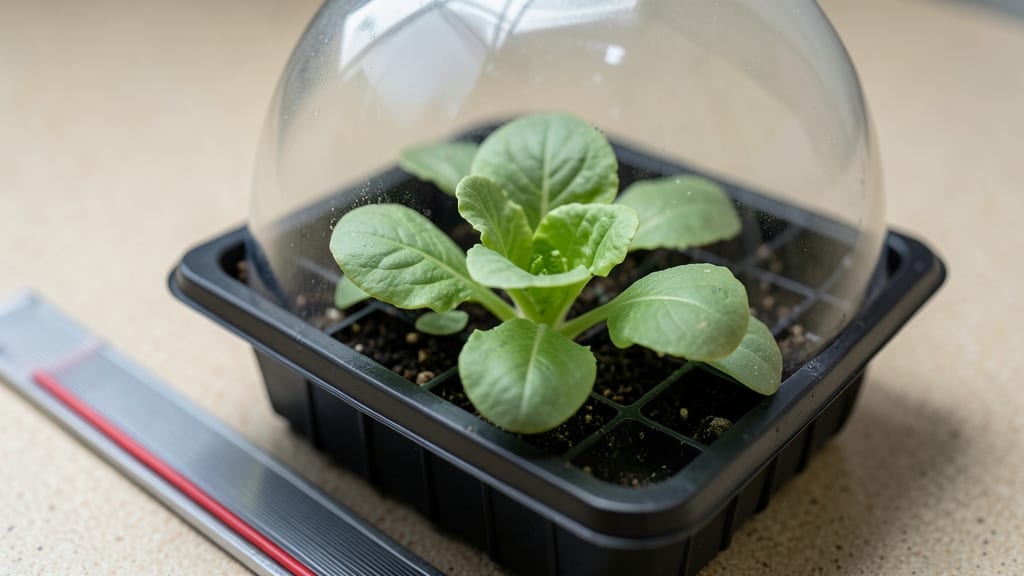
Getting your seedling germination temperature right is the fastest way to go from empty tray to lush green sprouts in days instead of weeks.
Struggling with slow or uneven seedling growth? The right germination temperature can mean the difference between thriving plants and wasted seeds—here’s the science-backed guide to unlock faster, stronger sprouts.
Cool-season crops like lettuce and peas need a gentle 60°F to 70°F nudge, while tropical plants like tomatoes and peppers demand a toasty 75°F to 85°F. Too cold, and seeds stay dormant; too hot, and they rot before sprouting.
Below, I’ll break down the ideal ranges by plant type, how to adjust temperatures without fancy equipment, and the three most common mistakes that kill seedlings before they even peek above soil.


Optimal seedling germination temperature ranges by plant type (with critical thresholds)
Getting your seeds to sprout consistently can feel like a guessing game—especially when you're dealing with cool-season greens that hate heat or tropical plants that refuse to germinate in cool basements.
Temperature isn't just a background factor; it's the critical control that determines whether your seeds wake up or stay dormant. Even a 5°F swing can mean the difference between strong seedlings and moldy disappointment.
Most gardeners focus on sunlight and water, but germination temperature is where the real magic happens underground. Seeds have specific metabolic triggers—some need warmth to activate enzymes, while others require cool conditions to break dormancy.
Understanding these ranges isn't just academic; it's the difference between 3-day sprouts and seeds that never surface. Let's break down the science so you can set up your germination station for success.
| Plant Category | Ideal Temp Range (°F) | Minimum Threshold (°F) | Maximum Threshold (°F) | Example Plants | Notes |
|---|---|---|---|---|---|
| Cool-Season Crops | 50-65°F | 40°F | 70°F | Lettuce, Spinach, Peas, Broccoli | Slow germination above 70°F |
| Warm-Season Crops | 70-85°F | 60°F | 90°F | Tomatoes, Peppers, Cucumbers, Basil | Below 60°F causes rot risk |
| Tropical Plants | 75-90°F | 65°F | 95°F | Avocado, Mango, Orchids, Hibiscus | Requires humidity >70% |
| Root Vegetables | 60-75°F | 50°F | 80°F | Carrots, Beets, Radishes, Potatoes | Cold soil slows taproot growth |
| Herbs | 65-75°F | 55°F | 85°F | Parsley, Cilantro, Dill, Chives | Some need stratification |
Cool-season crops like lettuce and peas thrive in the 50-65°F range—any warmer, and they'll either germinate slowly or rot before emerging.
These plants evolved in temperate climates where spring soil rarely exceeds 70°F. If you're starting seeds indoors in March, your basement might be too warm—aim for 55°F using a cooling pad under trays. Even a 10°F drop can double germination speed for these varieties.
Warm-season plants like tomatoes and peppers demand 70-85°F to activate their germination enzymes. Below 60°F, fungal pathogens like Pythium take over, turning seeds into mush. My basil seeds once sat for weeks in a 62°F windowsill—until I moved them to a heat mat and saw sprouts in 3 days.
The key is consistency; fluctuations of more than 10°F confuse seedlings, leading to weak stems
How to adjust germination temperature for faster sprouting (without special equipment)
If you've ever waited weeks for seeds to sprout only to see weak seedlings—or worse, nothing at all—germination temperature is likely the culprit. Many seeds need precise warmth to break dormancy, but you don’t need expensive heat mats or climate-controlled setups to create ideal conditions.
With a few simple household hacks, you can mimic professional germination environments right on your kitchen counter or windowsill.
Most seeds germinate best within a 5°F to 10°F range, but some tropical varieties like peppers or tomatoes need warmth near 85°F, while cool-season crops like lettuce thrive at 60°F.
The key is consistency—fluctuations can stall growth or cause rot. Below are my go-to methods for adjusting temperature without breaking the bank, using items you already own.
Place a seed tray on top of a laptop or incandescent light bulb (60W) to create gentle warmth. Avoid LEDs—they generate almost no heat. Monitor soil temperature with a thermometer to avoid overheating.
Wrap your seedling tray in a damp towel and place it on top of a warm water bottle or near a sunny window. The moisture retains heat while the towel insulates. Ideal for warm-season crops like basil or cucumbers.
For cool-season seeds (e.g., spinach, kale), place a seed tray on a bed of ice packs or a cooling gel pad (from a first-aid kit) to maintain 50°F–60°F. Keep it in indirect light to prevent overheating.
Store dormant seeds (like lupines or delphiniums) in a paper towel inside the fridge for 4–6 weeks to simulate winter chilling. Then move them to a warm spot to trigger germination.
Cover your seed tray with plastic wrap or a clear lid and place it on a radiator or heated vent. The trapped warmth speeds up germination, but remove the cover once sprouts appear to prevent mold.
Pro tip: Always use a seedling thermometer (or a cheap digital one from a hardware store) to verify temperatures. I keep mine tucked into the soil—this helps me avoid guesswork.
For example, my pepper seeds took just 5 days to sprout when placed on a laptop heat source at 80°F, compared to 14 days in a cool basement.
Remember, consistency is more important than exact numbers. If your seeds still struggle, try pre-soaking them in warm water for 12 hours to jumpstart the process. With these tricks, you’ll see faster, more uniform germination—even without fancy equipment!
🌱