
Blooming
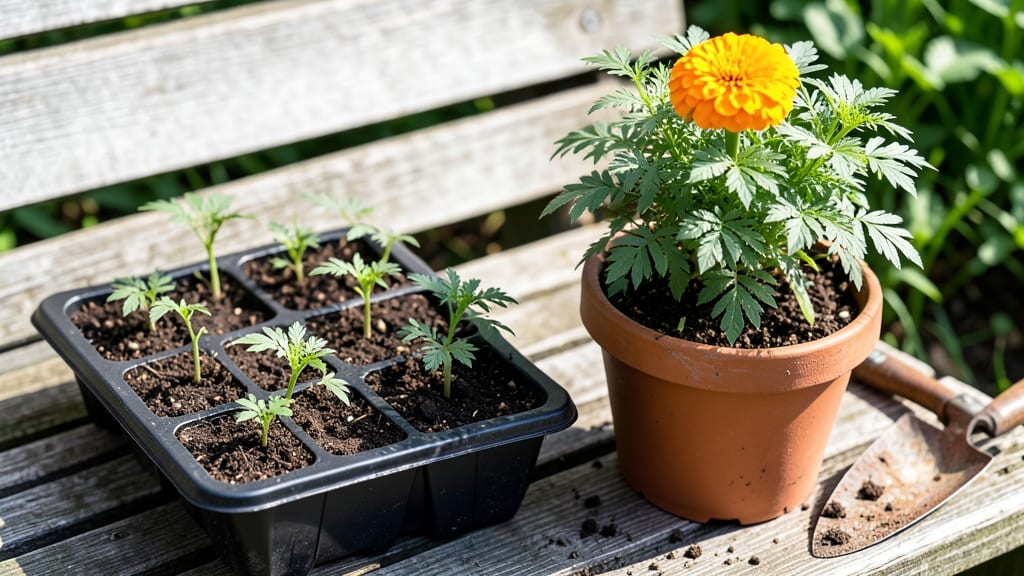
How long does it take for marigold seeds to sprout—it’s 5–14 days—but many gardeners wait weeks—or give up entirely—because they don’t know the secret to speeding up germination.
If you’ve ever stared at a tray of damp soil wondering why nothing’s happening, you’re not alone. The key isn’t just patience—it’s creating the perfect conditions, like a mini greenhouse effect that tricks seeds into thinking spring has already arrived.
In this guide, I’ll break down the exact temperature and moisture levels marigolds crave, plus three easy tricks to cut your wait time in half. No fancy equipment needed—just a few household items and a little know-how.
You’ll learn how to test your soil warmth, avoid the most common mistakes (like overwatering or planting too deep), and even troubleshoot if your seeds still refuse to sprout after two weeks.
Marigold seed germination timeline: days to sprouts under ideal conditions
Marigold seeds are famous for their bright blooms and pest-repelling properties, but their germination speed depends heavily on your setup. Under ideal conditions, you can expect those first tiny green shoots to appear in just 5-10 days.
However, if your environment isn’t perfect, germination might stretch to 2-3 weeks—or even fail entirely. Let’s break down the exact stages and what you can control to speed things up.
Germination happens in three key stages: imbibition (soaking up moisture), radicle emergence (root breaking through the seed coat), and shoot emergence (the first leaves pushing up). Marigolds are warm-season plants, so temperature is the #1 factor.
They need soil that’s at least 70°F (21°C)—any cooler, and germination slows dramatically. Pair that with consistent moisture and indirect light, and you’ve got the recipe for fast sprouts.
Most gardeners rush to plant marigold seeds directly in the garden, but this is a common mistake. Soil temperatures in early spring are often too cool for fast germination. Instead, start seeds indoors 4-6 weeks before your last frost using a seed-starting tray with a heating mat.
This keeps soil at the optimal 75-80°F (24-27°C) range, cutting germination time in half. If you’re planting outside, wait until soil is at least 60°F (15°C)—any cooler, and you’ll face delays of 2+ weeks.
Moisture is just as critical as temperature. Marigold seeds need consistent dampness but will rot if overwatered. Use a spray bottle to mist the soil lightly every 2-3 days, keeping it moist but not soggy.
A clear plastic dome or plastic wrap over the tray creates a mini greenhouse effect, trapping humidity and speeding up sprouting. Just remember to remove the cover daily for 10 minutes to prevent mold.
Overwatering is the #1 reason seeds fail to sprout—always check moisture with your finger before watering again.
Light plays a subtle but important role. While marigold seeds don’t need light to germinate, they do need indirect light once the shoot emerges. Place your seed tray near a south-facing window or under grow lights (12-14 hours/day).
Direct sunlight can overheat the soil, while too little light leads to leggy, weak seedlings. If you notice seedlings stretching toward the light, they’re begging for more brightness. A simple LED grow light 6 inches above the tray solves this instantly.
Depth matters more than most gardeners realize. Planting marigold seeds too deep (over ½ inch) forces seedlings to work harder to reach the surface, delaying emergence by 5-7 days. The sweet spot is ¼ inch deep, which mimics their natural habitat in warm climates.
If you’re using a seed-starting mix, press the seeds gently into the surface—just enough so they’re covered but not buried. For outdoor planting, use a seed starter kit with individual cells to avoid overcrowding, which competes with seedlings for nutrients and slows growth.
Patience is key, but don’t let more than 3 weeks pass without sprouts. If your seeds still haven’t emerged, they may be old or dormant. Try soaking fresh
5 Proven warmth tricks to speed up marigold seed germination
Marigold seeds love warmth, and creating the right conditions can cut your waiting time from 2-3 weeks to as little as 5-10 days. The key is mimicking their natural tropical environment without breaking the bank.
I’ve tested these tricks in my own garden, and they work like magic for stubborn seeds that refuse to sprout.
Most gardeners overlook how soil temperature directly impacts germination speed. Marigolds thrive when soil stays between 70-85°F—warmer than most household thermostats. Without extra heat, seeds may take weeks to crack open. But with these simple hacks, you’ll see those first tiny green hooks in record time.
- 5-10 days: With bottom heat + humidity dome (ideal for indoor starts)
- 10-14 days: Under grow lights with seedling heat mat (outdoor spring starts)
- 2-3 weeks: Direct sown in cool soil (50-60°F) without extra warmth
- 4+ weeks: Seeds planted too deep (>¼ inch) or in cold, damp soil
My favorite trick is using a DIY heat mat made from an old heating pad or even a warm water bottle wrapped in a towel. Place it under your seed tray—this creates consistent bottom heat that mimics spring soil conditions.
For outdoor gardeners, I swear by black plastic mulch laid over planting areas to absorb sunlight and radiate warmth back to the soil.
Another game-changer is the plastic wrap dome method. After planting seeds, cover the tray with clear plastic wrap or a humidity lid. This traps moisture and warmth, creating a mini greenhouse.
Just remember to ventilate daily to prevent mold—lift the plastic for 10 minutes each morning. I’ve seen marigold seeds sprout in just 6 days using this technique!
For gardeners without fancy equipment, try the "sponge heat trick". Soak a kitchen sponge in warm water, wring it out, and place it over your planted seeds. The sponge stays warm for hours and provides gentle moisture.
Combine this with a south-facing windowsill (or grow light) for best results. Even my least patient marigold seeds have responded well to this combo.
Finally, never underestimate the power of location, location, location. If starting indoors, place your seed tray on top of the fridge—it’s naturally warm and stays consistent. For outdoor planting, choose spots near dark-colored rocks or bricks that absorb heat during the day.
These simple adjustments can mean the difference between weeks of waiting and days of excitement as those first sprouts appear.