
Lawn
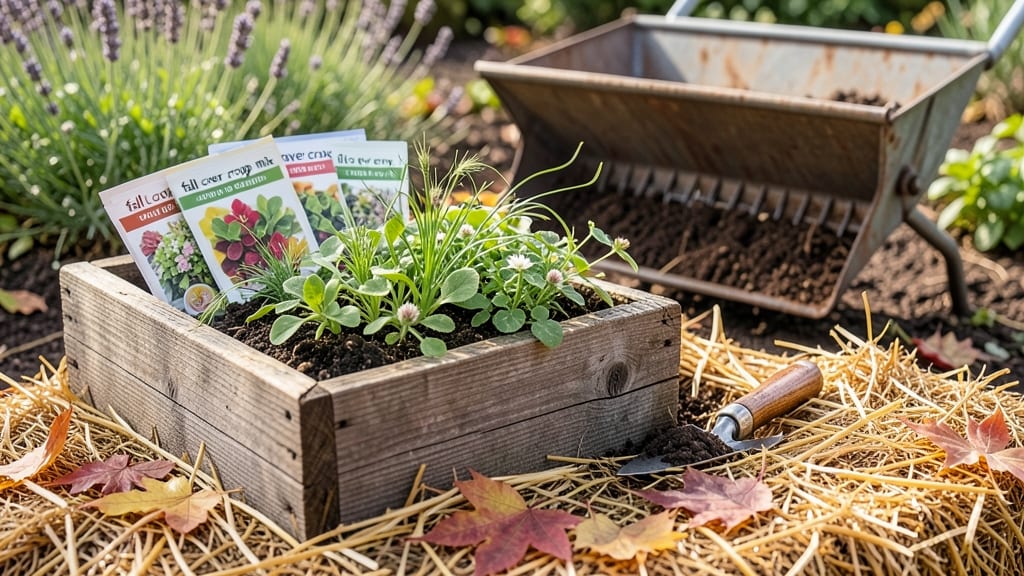
Fall seeding isn’t just a trick—it’s the secret to next year’s showstopper blooms. 🌱 I’ve seen firsthand how planting now gives perennials and biennials a head start, letting them establish roots before winter’s chill.
The right varieties thrive through cold snaps, emerging stronger in spring with vibrant foliage and blooms you’ll envy. Cool-season plants like poppies, snapdragons, and sweet alyssum are perfect candidates—they germinate in mild fall soil and handle frost like pros.
Even cover crops like clover or winter rye work wonders, improving soil health while you sleep. The key? Timing: seed when daytime temps hover around 60-70°F but nights dip below 50°F.
You’ll spend less time fussing with seedlings next spring and more time admiring plants that bounce back from winter. The soil stays loose, weeds stay suppressed, and your garden’s foundation gets stronger every year. It’s not just planting—it’s setting the stage for a foolproof display.
Works for northern gardens (plant in September-October) and southern zones (try November-December). Here’s how to do it right—no guesswork, just results.
📚 In This Guide
- What you need
- Instructions
- Tips and common mistakes
- Wrapping up and next steps
What you need
- ● Cold-resistant seeds: Choose varieties like pansies, snapdragons, or sweet peas (1–2 lbs, depending on garden size). Opt for organic, non-GMO seeds for best results.
- ● High-quality seed starter mix: 10–15 lbs (sterile, well-draining blend with compost). Pro tip: Mix in perlite or vermiculite (1 part) for aeration!
- ● Garden tools: Trowel (for precision planting)
- ● Rake (for soil prep)
- ● Garden gloves (to protect your hands)
- ● Fertilizer: Slow-release organic fertilizer (e.g., 10-10-10 or compost tea) to nourish young roots.
- ● Seed trays or biodegradable pots: For starting seeds indoors (6–12 packs, 12–24 cells each).
- ● Row covers or frost cloth: To shield seedlings from early cold snaps.
- ● Soil tester kit: Ensure pH is ideal (6.0–7.0 for most flowers).
- ● Mulch (straw or shredded leaves): 2–3 inches to insulate soil and retain moisture.
Step-by-step guide for fall seed planting of cold-hardy varieties
Fall planting sets the stage for next year’s garden—here’s how to do it right.
🌱 Step 1: Select and Prepare Cold-Resistant Seed Varieties
Choose biennials or hardy annuals like snapdragons, sweet alyssum, or calendula, which thrive through winter. These varieties are bred to survive light frosts and even light snow. Check seed packets for cold-hardiness zones—most will specify if they’re suitable for fall sowing in your region.
I always soak seeds overnight in lukewarm water for 12 hours before planting. This softens the seed coat and speeds up germination, which is especially helpful in cooler fall soil. Drain them well on a paper towel before handling—wet seeds stick to gloves and soil.
🌿 Step 2: Time Planting for Optimal Germination Before Frost
Plant seeds 6-8 weeks before your first expected frost date. This gives seedlings time to germinate and develop a few true leaves before winter slows growth. For example, if your frost date is November 15, aim to sow by early September. Use a soil thermometer to confirm the ground is still warm enough—ideal germination temperatures for most cold-hardy seeds are 55-65°F.
Here’s the thing—if your soil cools too quickly, germination stalls. I’ve learned to adjust timing by checking local weather forecasts for unusually warm or cold spells. A sudden drop below 50°F can halt germination entirely, so be ready to cover seedlings with frost blankets if needed.
⏰ Step 3: Sow Seeds at Correct Depth and Spacing
Plant seeds at a depth of twice their diameter—this ensures they have enough soil contact to absorb moisture but aren’t buried so deep they struggle to emerge. For example, tiny alyssum seeds go in just ¼ inch deep, while larger calendula seeds need ½ inch. Space them ¼ inch apart in rows 12 inches apart to allow for thinning later.
Don’t overcrowd the seeds—thinning is easier when seedlings are small. I use a small hand trowel to create furrows, then gently press seeds into the soil with my finger. After sowing, water lightly with a fine mist to avoid displacing seeds. The goal is to keep the soil surface moist but not soggy.
☀️ Step 4: Protect Seedlings from Early Frost and Wind
Once seeds sprout, cover the area with row fabric or a cold frame to extend the growing season. These barriers trap heat during the day and insulate at night, protecting tender seedlings from temperatures below 32°F. I’ve found that a simple DIY cold frame made from a wooden box and clear plastic works just as well as commercial options.
Watch for signs of stress—yellowing leaves or stunted growth often mean the seedlings are too cold. If a hard frost is forecast, cover them with burlap sacks or old blankets for extra protection. Remove the coverings during the day to allow sunlight and air circulation, which prevents mold and disease.
💧 Step 5: Maintain Moisture and Fertility Through Winter
Fall-planted seeds need consistent moisture, but overwatering can lead to rot in cold soil. Water deeply every 5-7 days if rainfall is minimal, focusing on the base of seedlings rather than overhead spraying. Use a drip irrigation system or soaker hose to deliver water directly to the roots without disturbing the soil.
Add a light layer of mulch (1-2 inches) around seedlings after the ground freezes to insulate roots and retain moisture. I use straw or shredded leaves, avoiding thick layers that could suffocate plants. In early spring, remove the mulch and check for surviving seedlings—you’ll often find hardy varieties like snapdragons popping up even after light frost.
Tips & tricks for perfect fall seed planting
Fall planting can be tricky, but these insights will help you avoid common pitfalls and maximize your garden's potential for next year.
Soaking Strategy: The 12-hour soak in lukewarm water is your secret weapon for fall planting. I've found that adding a pinch of honey (1 teaspoon per quart of water) during soaking boosts early germination—just drain thoroughly before planting. This works especially well for tiny seeds like sweet alyssum that might otherwise struggle in cool soil.
Timing Secret: When calculating your 6-8 week window before frost, factor in your local microclimate. Coastal areas often have milder winters, while inland regions may need the full window. I always check my local weather service's frost prediction map and add an extra week of buffer if my area has unpredictable weather patterns.
Depth and Spacing: For seeds smaller than ¼ inch (like calendula), I use a toothpick to create tiny holes rather than trying to press them into soil. This ensures proper depth without crushing delicate seeds. When spacing rows 12 inches apart, consider your future harvest needs—taller varieties like snapdragons will appreciate the extra room for airflow.
Protective Layering: If you're using row fabric or cold frames, add a second layer of protection during forecasted hard frosts. I keep old window screens or cheesecloth handy to create an additional barrier against wind while still allowing light and airflow. This extra layer can mean the difference between survival and loss during sudden temperature drops below 32°F.
Pro Tips for Seed In The Fall
- Fall planting can be tricky, but these insights will help you avoid common pitfalls and maximize your garden's potential for next year.
- Soaking Strategy: The 12-hour soak in lukewarm water is your secret weapon for fall planting.
- Timing Secret: When calculating your 6-8 week window before frost, factor in your local microclimate.
Frequently asked questions
Got questions about planting seeds in the fall? You’re not alone! Here are answers to the most common queries to help you get started with confidence.
When is the best time to plant fall seeds?
The ideal window is typically 4-6 weeks before your first hard frost—usually late September to early November, depending on your climate zone. This gives seedlings time to establish roots before winter dormancy. Check your local frost dates for precision!
Will fall-planted seeds survive winter?
Yes! Cold-resistant varieties like winter ryegrass, creeping red fescue, or hardy annuals thrive when planted in fall. Their roots grow strong in cool soil, and many even dormant-wait until spring. Just avoid planting too late—bare soil risks frost damage.
Can I plant fall seeds in containers or just the ground?
Both work! For containers, use well-draining soil and keep them in a sheltered spot (like a garage or under eaves) if frost is imminent. Ground planting is ideal for perennials, but containers are great for annuals or herbs you might move indoors later.
What if I miss the fall planting window?
No stress! If you’re late, opt for spring planting or choose fast-growing varieties like crabgrass or buckwheat (though they’re less cold-hardy). Alternatively, try winter sowing—planting in late fall for early spring blooms!
How do I protect seeds from pests or animals?
Use row covers, chicken wire, or mulch to deter critters. For birds, try seed tape or pre-sprouted seeds planted deeper. A light sprinkle of diatomaceous earth can also deter insects without harming plants.
| Quick Fixes | When to Use |
|---|---|
| Cover seeds with straw or leaves | Frost warnings |
| Water deeply before rain | Dry spells |
| Use a soil thermometer | Unpredictable weather |
Wrapping up and next steps
Planting cold-resistant seeds in the fall is your secret weapon for a vibrant, thriving garden next spring—without the summer heat or extra effort! 🌱 By choosing the right varieties and giving them time to establish roots before winter, you’re setting yourself up for stunning blooms, lush foliage, and a head start on the growing season.
Whether you’re a seasoned gardener or just starting out, this small step now can make all the difference in your outdoor oasis.
So grab your gloves, pick your favorite seeds, and get ready to watch your garden flourish! 🌸 The next step? Mark your calendar for early spring maintenance—like pruning and fertilizing—to keep those cold-hardy plants shining even brighter. Happy planting!