
Lawn
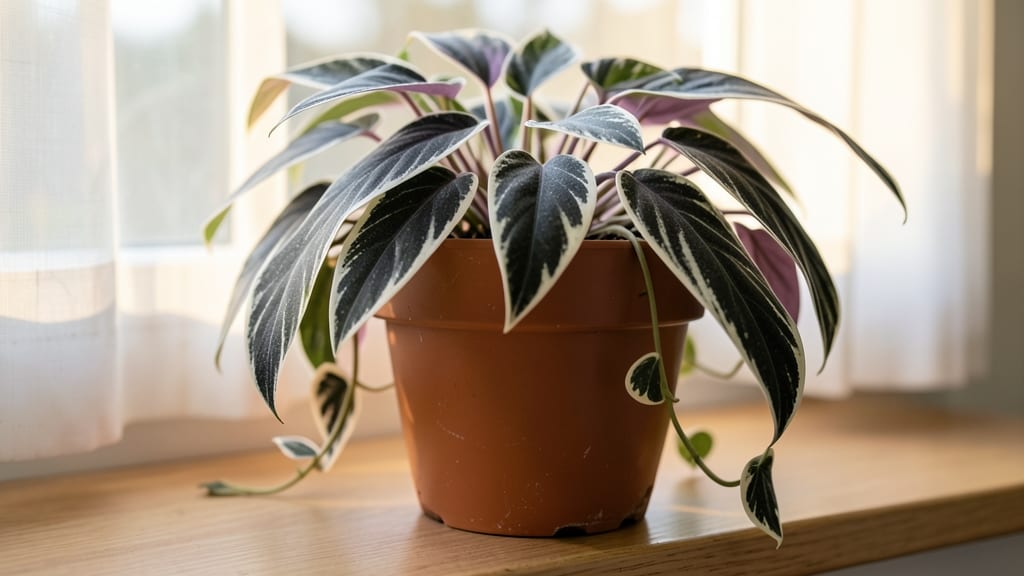
Your lawn could look like a high-contrast masterpiece with black and white striped seed mixes—the kind of bold design that turns heads all year. 🌱 I remember the first time I saw a perfectly striped lawn at a neighborhood garden show, and I knew I had to try it myself.
The contrast isn’t just visually striking; it’s a conversation starter that makes your outdoor space feel like a curated art piece.
This isn’t about complicated patterns or expensive installations—just two types of grass seed, carefully planted in alternating strips. You’ll need a sharp-edged board or string to create clean lines, plus a slit seeder for precision.
The key is choosing a fast-growing grass for the white strips (like fine fescue) and a dark, dense variety (like Kentucky bluegrass) for the black. The result? A lawn that looks intentional, not accidental.
By late summer, you’ll have bold, even stripes that hold up through mowing and seasons. The contrast sharpens in fall when the white grass stays green while the darker variety deepens in hue.
It’s the kind of detail that makes neighbors pause and ask, "How’d you do that?"—and the answer is simpler than you’d think.
Works for any yard size, from small front lawns to large backyards. The only real challenge is keeping the edges crisp during mowing—here’s how to do it without losing your sanity (or the pattern).
📚 In This Guide
- What you need
- Instructions
- Tips and common mistakes
- Wrapping up and next steps
What you need
- ● Black-and-white seed mix: 20–50 lbs (depending on lawn size; check the bag for coverage rates—typically 10–15 lbs per 1,000 sq ft). Look for pre-mixed varieties like ‘Black Beauty’ fescue + ‘White Clover’ or ‘Dark Ryegrass + ‘Silver Dollar’ grass.
- ● Lawn spreader: A broadcast or drop spreader (manual or electric) for even distribution. Rent or borrow one if you don’t own.
- ● Rake: A plastic or metal garden rake (¼"–½" tines) to loosen soil and level the area.
- ○ Soil test kit: Optional but highly recommended to check pH (ideal: 6.0–7.0) and nutrient levels before seeding.
- ● Starter fertilizer: A low-nitrogen, high-phosphorus blend (e.g., 10-20-10) to encourage root growth. Use ½ lb per 100 sq ft.
- ● Watering supplies: A hose with adjustable nozzle or sprinkler (gentle mist setting).
- ○ Water breaker (optional, for larger areas).
- ● Pattern stencils: DIY cardboard or plastic templates for geometric designs (e.g., stripes, checkerboards).
- ● Biodegradable mulch: Straw or peat moss (¼" layer) to retain moisture while seeds germinate.
- ● Lawn roller: Lightweight (100–150 lbs) to press seeds into soil after watering.
- ● Seed tape: Pre-spaced seeds for precision planting (great for intricate patterns!).
- ● Weed barrier fabric: If overseeding an existing lawn, use a landscape fabric to block weeds before seeding.
How to create a striking black and white striped lawn
Here's how to transform your yard into a bold, eye-catching design that stands out all year.
🌱 Step 1: Plan Your Striped Pattern and Prepare the Soil
Sketch your design on paper first—common patterns include straight stripes, checkerboards, or abstract shapes. I like to use a 2-inch wide white stripe against a 6-inch black background for maximum contrast. Mark your layout with spray paint on the lawn so you can see the guide lines clearly.
Rake the entire area to remove debris, then loosen the top 2-3 inches of soil with a garden fork. This helps roots establish quickly. Test your soil pH—both grass types thrive in 6.0-7.0 range. If your soil is compacted, aerate with a core aerator to create ½-inch holes spaced 3 inches apart for better seed-to-soil contact.
💧 Step 2: Sow Seeds Precisely for Clean Striped Lines
Use a seed spreader set to the manufacturer's recommended rate for your chosen grass varieties. For white stripes, I recommend perennial ryegrass (fast germinating) or fescue (fine texture). For black, tall fescue or fine fescue blends work best. Walk slowly along your marked lines, applying seeds evenly—don't overlap or you'll create messy transitions.
After sowing, lightly rake the area with a fine-tooth rake to press seeds into the soil without burying them. Cover seeds with a thin layer of compost (about ¼ inch) to protect them from birds and retain moisture. Water immediately with a fine mist until the soil is damp ½ inch deep.
☀️ Step 3: Maintain Consistent Moisture and Light Conditions
Keep the soil consistently moist for the first 3-4 weeks—this is critical for germination. Water early morning so moisture doesn't evaporate in the heat. You'll know you're doing it right when the soil feels damp to touch but not soggy. Avoid overhead watering once seeds sprout to prevent fungal diseases.
Once seedlings reach 2 inches tall, gradually reduce watering to 1-1.5 inches per week. Mow when the grass is 3-4 inches tall, using a sharp mower blade set to 2.5 inches for white stripes and 3 inches for black areas. This height difference creates natural texture contrast. Always mow in the same direction to maintain clean lines.
✂️ Step 4: Fertilize and Maintain Contrast Over Time
Apply a slow-release fertilizer (10-10-10 ratio) 4-6 weeks after sowing, then every 8 weeks during the growing season. White grasses typically need more frequent feeding to maintain their bright color, while black varieties benefit from iron supplements to deepen their hue. I use a liquid iron chelate spray in late spring for the darker sections.
To keep stripes sharp, edge the borders with a half-moon edger every 4-6 weeks. For extra definition, consider adding white gravel or black mulch along transition lines. In fall, overseed any thin areas with the same varieties to maintain your pattern. With proper care, your black-and-white lawn will remain striking for 5-7 years before needing full reseeding.
Tips & tricks for perfect striped lawn design
Creating a bold black-and-white lawn takes patience and precision—but these tips will help you avoid common pitfalls and achieve crisp, professional-looking stripes.
Pattern Planning: Before sketching your design, walk your yard with a tape measure to account for natural slopes or uneven terrain. I mark my 2-inch white stripes with spray paint first, then step back to check the balance from different angles—what looks perfect from the driveway might appear off-center from the sidewalk. This pre-visualization saves hours of rework later.
Seed Selection Tip: For the white stripes, choose perennial ryegrass if you want fast germination (visible greening in 7-10 days), or fescue for that ultra-fine texture that really pops against darker backgrounds. For the black areas, fine fescue blends actually hold their deep color better than tall fescue when given proper iron supplements. I've seen some homeowners use regular bluegrass for the dark sections, but it fades faster under direct sunlight.
Watering Strategy: The critical 3-4 week germination window requires consistency—set a timer for your morning watering to avoid skipping days. I use a rain gauge to track exactly ½ inch of moisture per watering (about 10 minutes with a standard hose nozzle). Pro tip: Water the white stripes slightly longer than the black areas—the lighter grass needs more moisture to maintain its vibrant color during establishment.
Maintenance Secret: When mowing, adjust your blade height to 2.5 inches for white stripes and 3 inches for black areas to create natural texture contrast. Here's the trick I learned the hard way: Always mow in the same direction as your stripes (parallel to the lines) to prevent fraying at the edges. I used to mow diagonally for efficiency, but it created a "feathered" look that ruined the crisp definition.
Pro Tips for Seed Black And White
- Creating a bold black-and-white lawn takes patience and precision—but these tips will help you avoid common pitfalls and achieve crisp, professional-looking stripes.
- Pattern Planning: Before sketching your design, walk your yard with a tape measure to account for natural slopes or uneven terrain.
- Seed Selection Tip: For the white stripes, choose perennial ryegrass if you want fast germination (visible greening in 7-10 days), or fescue for that ultra-fine texture that really pops against darker backgrounds.
Frequently asked questions
Got questions about creating or maintaining a striking black and white seed mix lawn? Here are answers to the most common ones—so you can achieve that bold, high-contrast look with ease!
What’s the best time of year to plant black and white seed mix?
For optimal results, plant your seed mix in early spring (March–April) or late summer (August–September). These periods offer ideal soil temperatures and moisture for germination. Avoid planting in extreme heat or cold—your seeds need consistency to thrive!
Is black and white seed mix more expensive than regular grass seed?
Yes, it’s typically 20–50% pricier than standard grass seed blends. The high-contrast varieties (like black mondograss or silver fescue) and specialized dyes or pigments add to the cost. Budget for $1.50–$3.00 per pound, depending on quality and region.
Can I mix black and white seeds with regular grass seed?
Mixing 10–30% black/white seed with a durable grass like tall fescue or perennial ryegrass balances aesthetics and practicality. Just ensure the regular seed can handle foot traffic—black/white varieties are often ornamental and less resilient.
How do I keep my black and white lawn looking crisp after rain or mowing?
Rain can dilute dyes or wash away pigments, while mowing too low can dull the contrast. Mow at 3–4 inches and use a sharp blade to avoid tearing strands. For dyed grass, reapply water-based dye every 4–6 weeks (follow product instructions).
What if my black and white lawn turns patchy or loses color?
Patchiness often signals uneven sunlight, poor soil, or wear. Test soil pH (ideal: 6.0–7.0) and amend with compost. For faded color, overseed bare spots with fresh mix or touch up with dye. If pests (like grubs) are the issue, treat with organic or chemical controls as needed.
Are black and white lawns safe for pets or kids?
Most natural black/white seed mixes (like silver fescue) are pet-safe, but dyed grass may contain chemicals harmful if ingested. Opt for non-toxic dyes or avoid letting pets chew the grass. Always check product labels for warnings!
Wrapping up and next steps
Creating a striking black and white seed mix for your lawn is all about embracing bold contrasts and low-maintenance beauty. Whether you’re drawn to the timeless elegance of Fescue or the unique texture of Creeping Thyme, this design delivers year-round visual impact with minimal effort. 🌱
Ready to transform your outdoor space? Start small—test a patch in a shaded or high-traffic area—and let your creativity shine! For extra flair, pair your striped lawn with complementary hardscaping or seasonal plants. Your lawn’s next masterpiece begins with a single seed.