
Lawn
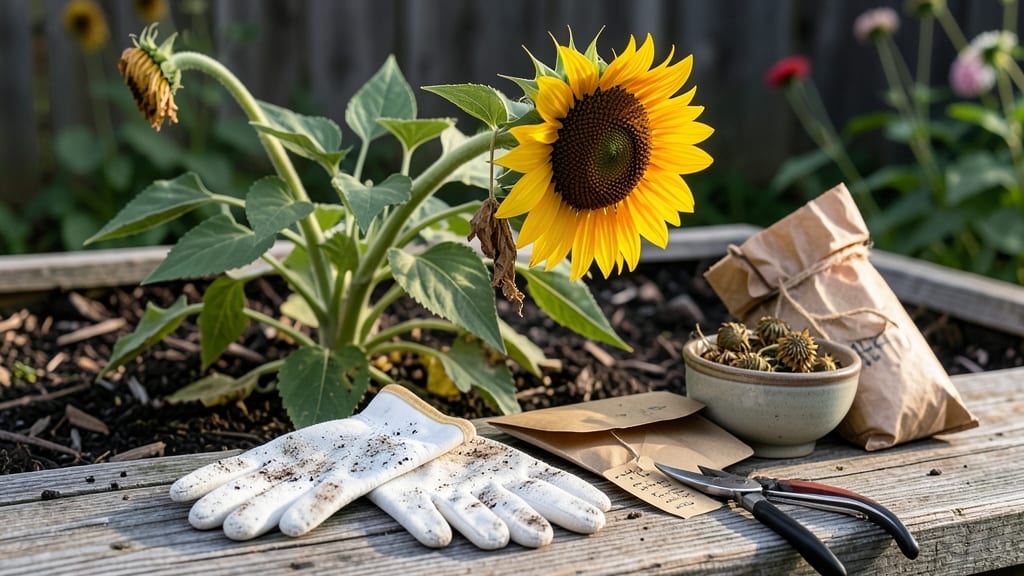
Rudbeckia seed collection is the easiest way to grow next year's blooms for free. ✨ The twist-free pods are nature's perfect seed package—no fuss, no mess, just dry heads that open when ready. I've saved seeds from my garden for years, and the secret lies in timing and handling. The best time to collect is when the seed heads turn brown and begin to split open, usually in late fall or early winter. Look for the papery, dry petals to fall away naturally—this signals mature seeds inside. A quick shake test confirms readiness: if seeds rattle inside, they're ready to harvest. With proper drying and storage, these seeds stay viable for up to three years. Spread them on a tray in a dry, dark spot for a week to finish drying, then store in a sealed container. The key is patience—rushing leads to moldy seeds that won't sprout. Birds and rain are the biggest threats, so collect seeds on dry days and use mesh bags to deter feathered thieves. A little planning now means a garden full of cheerful black-eyed Susans next summer without spending a dime.
📚 In This Guide
- What you need
- Instructions
- Tips and common mistakes
- Wrapping up and next steps
What you need
- ● Mature Rudbeckia plants: Choose healthy, disease-free plants with fully developed seed heads (brown, papery pods). Aim for at least 3-5 plants for a good seed yield.
- ● Pruning shears or scissors: Sharp, clean tools to snip seed heads cleanly (avoid crushing pods!).
- ● Paper bags or envelopes: Brown kraft paper bags (1-2 per plant) or seed-saving envelopes (3x5" size, breathable material).
- ● Permanent marker: For labeling bags/envelopes with plant variety and date.
- ○ Newspaper or cardboard: To lay out pods for drying (optional but helpful for bulk collection).
- ● Seed drying tray: Mesh or slotted tray for airflow (e.g., a repurposed window screen over a box).
- ● Fine-mesh sieve: To separate seeds from chaff (1/8" mesh works well).
- ● Humidity pack: Silica gel packets to absorb moisture during storage (place 1-2 in sealed containers).
- ● Glass jars or airtight containers: For long-term seed storage (quart-sized mason jars are ideal).
- ● Hand lens or magnifying glass: To inspect seeds for pests/damage before storing.
- ● Timing: Collect seeds in late fall or early winter (after frost blackens the seed heads) or when pods turn dry and papery.
- ● Weather: Wait for dry, calm conditions—humidity can mold seeds.
- ● Space: A clean, dry area (garage, shed, or indoor table) to process seeds.
Step-by-Step instructions for collecting rudbeckia seeds
Here’s how to harvest rudbeckia seeds without the frustrating twist-and-pull struggle.
🌿 Step 1: Identify Mature Seed Pods
Wait until the flower heads turn brown and the petals drop away completely—this signals the seed pods are fully mature. The center cones will feel dry and papery to the touch. If you pick them too early, the seeds won’t be viable, and you’ll end up with empty pods.
I like to check pods in late summer or early fall, depending on your climate. A gentle squeeze should release seeds easily if they’re ready. If the pod resists, give it another week or two.
✂️ Step 2: Harvest and Dry the Seed Pods
Use clean, sharp scissors or pruners to snip the entire seed head from the stem, leaving about 1 inch of stem attached. This makes handling easier and prevents seeds from spilling out during drying. Place the pods in a dry, well-ventilated area—like a mesh bag or paper sack—out of direct sunlight.
Drying takes 1-2 weeks, depending on humidity. You’ll know they’re ready when the seeds rattle inside the pod when shaken. If moisture lingers, mold can develop, ruining your harvest.
🪴 Step 3: Extract and Store Seeds Properly
Once fully dry, gently crush the seed pods over a clean tray or paper to release the seeds. Rudbeckia seeds are small and dark, so I use a fine-mesh strainer to catch any that slip through. Discard empty pods or debris—only the plump, firm seeds are worth saving.
Store seeds in a paper envelope or breathable container (never airtight) in a cool, dark place. Label with the variety and harvest date—rudbeckia seeds stay viable for 2-3 years if kept dry. Moisture is the enemy here.
💧 Step 4: Prevent Twisting and Seed Loss
The key to avoiding the twist-and-pull struggle is patience. Never pull pods from the stem—this often snaps them off prematurely. Instead, let them dry completely on the plant or in a bag, then handle them gently. If pods twist shut before you harvest, they’re too dry; try harvesting earlier next time.
For extra insurance, I tie a small muslin bag around the seed heads just as they start drying. This keeps seeds contained and protected from birds or wind. Remove the bag once pods are fully dry and ready for extraction.
Tips & tricks for perfect rudbeckia seed harvesting
Here's what nobody tells you about collecting rudbeckia seeds without the frustration.
Timing is Everything: The 1-2 week drying period is non-negotiable—this is when seeds mature and become viable. I've learned the hard way that rushing this step leads to empty pods. In humid climates, extend drying to 3 weeks if needed. A simple kitchen fan on low speed can help circulate air during drying without disturbing the pods.
Harvesting Technique: That 1-inch stem attachment in Step 2 isn't just for show—it creates a natural handle for easier extraction later. I've found that using small floral scissors (instead of pruners) gives me better control and cleaner cuts. If you're harvesting multiple plants, consider wearing gardening gloves to protect your hands from the dry, papery pods.
Storage Wisdom: The 2-3 year viability promise only holds if you follow the breathable container rule. I keep my seeds in kraft paper envelopes with a silica gel packet inside for extra moisture protection. For large harvests, I divide seeds into smaller portions—this prevents crushing when you need to access them later. Label each envelope with both the variety and harvest year to avoid confusion.
Pro Tips for Rudbeckia Seed Collection
- Here's what nobody tells you about collecting rudbeckia seeds without the frustration.
- Timing is Everything: The 1-2 week drying period is non-negotiable—this is when seeds mature and become viable.
- Harvesting Technique: That 1-inch stem attachment in Step 2 isn't just for show—it creates a natural handle for easier extraction later.
Frequently asked questions
When is the best time to collect rudbeckia seeds?
Harvest seeds when the flower heads turn brown and dry but before they split open or scatter. For most rudbeckia varieties, this usually happens in late summer to early fall (August–October in most U.S. zones). Wait too long, and the seeds will fly away!
How do I know if the seeds are ready to collect?
Look for dry, papery seed heads that crumble easily when gently squeezed. The seeds inside should rattle when shaken. If moisture remains, wait a few more days—they’re not fully mature yet. Pro tip: Collect on a dry, sunny morning for the best results!
Can I collect rudbeckia seeds if I don’t have a garden?
If you spot rudbeckia growing wild (like Rudbeckia hirta or Rudbeckia laciniata) in fields, parks, or roadsides, collect seeds there—just always check local regulations first. Avoid areas treated with herbicides, though!
What should I do if my rudbeckia pods twist and refuse to open?
Twisting pods are a common issue! Try gently drying them indoors in a paper bag for 1–2 weeks, or place them in a warm, dry spot (like a sunny windowsill). If they’re still stubborn, carefully snip the pod open with scissors—just save the seeds before they scatter.
How should I store rudbeckia seeds for next year?
Store seeds in a cool, dry place (like a sealed envelope or airtight container) in the fridge or freezer. They’ll stay viable for 1–2 years. Label them with the variety and date to avoid mix-ups! For extra longevity, add a packet of silica gel.
Can I save seeds from hybrid rudbeckia plants?
Hybrid rudbeckias (like ‘Goldsturm’) may not produce true-to-type seeds—meaning the flowers might not match the parent plant. If you love hybrids, consider buying fresh seeds yearly. For consistent blooms, stick to heirloom or open-pollinated varieties!
Wrapping up and next steps
Collecting rudbeckia seeds is a simple yet rewarding way to ensure vibrant blooms year after year—without the fuss of twisty pods! 🌻 With the right timing, tools, and a little patience, you’ll be well on your way to growing a stunning garden full of cheerful black-eyed Susans.
Whether you’re a seasoned gardener or just starting out, this process is totally doable.
Now that you’re equipped with the know-how, grab those dried seed heads and get planting! Store them properly, and by next spring, you’ll be enjoying fresh, homegrown rudbeckia—for free. Happy gardening! 🌱