
Size
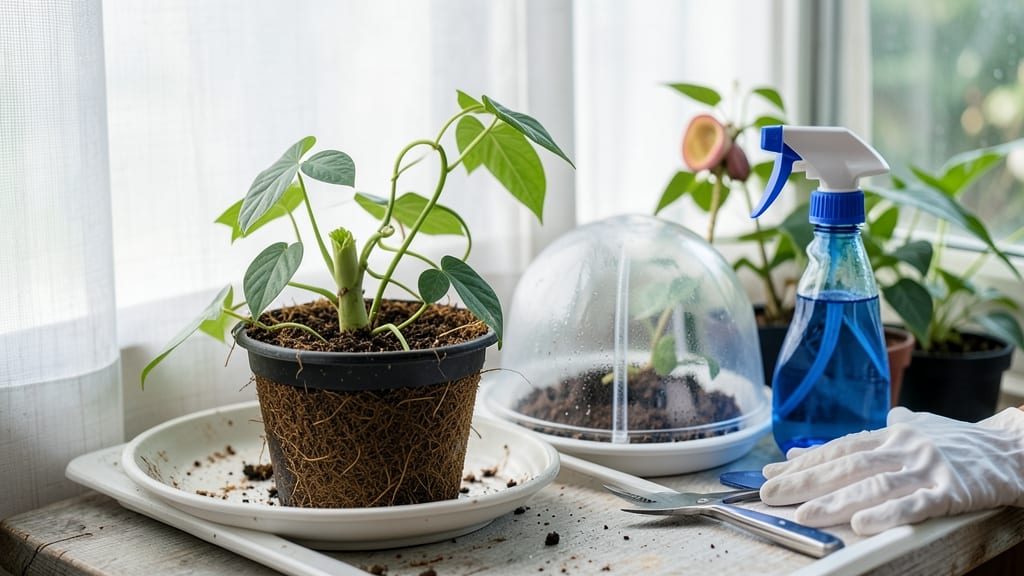
Growing a rafflesia from seed isn’t just gardening—it’s a journey into the world’s largest flower, a rare botanical treasure that demands patience, precision, and a tropical paradise. 🌿 I’ve spent years studying these parasitic wonders, and the thrill of nurturing one from seed to bloom is unmatched.
But here’s the catch: you won’t grow it alone. Rafflesia needs a host plant, Tetrastigma vine, to survive, and without it, your seeds will wither before they even think about blooming.
The real challenge isn’t the seed itself—it’s recreating the steamy, humid conditions of Southeast Asia in your greenhouse. We’re talking 75-90°F temperatures, 80% humidity, and a soil mix so rich it borders on decadent.
Most gardeners give up here, but those who persist are rewarded with something extraordinary: a flower that can weigh up to 24 pounds and smell like rotting meat to attract its pollinators. Yes, it stinks—but that’s part of the magic.
By the time you see that first vine climb, you’ll know you’ve done something most gardeners only dream of. The blooms take 3-5 years to appear, but when they do, they’ll dominate your space—literally. Imagine a flower so large it could use a plate as a saucer.
It’s not just gardening; it’s a conversation starter, a legacy project, and a testament to what happens when you dare to grow something truly unusual.
Now, before you rush out to buy seeds, there’s one more thing: check your local laws. Many countries restrict rafflesia cultivation due to its endangered status. If you’re in the clear, let’s talk about setting up that greenhouse.
This isn’t for the faint of heart—but if you’re ready, the rewards are worth every drop of sweat.
📚 In This Guide
- What you need
- Instructions
- Tips and common mistakes
- Wrapping up and next steps
What you need
- ● Rafflesia seeds: Obtain from a reputable supplier (freshness is critical—seeds lose viability quickly). Aim for 5–10 seeds to maximize germination odds.
- ● Tetrastigma vine (host plant): Rafflesia is a parasitic flower—it needs a living Tetrastigma vine (e.g., Tetrastigma vine) to grow. Secure a healthy, mature vine (3+ years old) or cuttings.
- ● Sterile potting mix: Use a well-draining blend of 50% coconut coir, 30% perlite, and 20% orchid bark (sterilized to prevent fungal growth).
- ● Humidity dome or plastic tent: Maintain 80–90% humidity for germination. A clear plastic cloche or humidity tent works well.
- ● Seedling trays or small pots: Use 4–6 inch pots with drainage holes for initial germination.
- ● Misting bottle: Keep the mix consistently moist (not soggy) without disturbing seeds.
- ○ Heating mat (optional but recommended): Germination thrives at 75–85°F (24–29°C). A seedling heat mat ensures ideal temps.
- ● Fine-mesh shade cloth (30–50% coverage): Protect seedlings from direct sunlight until established.
- ● Pruners & sterilized tools: For trimming Tetrastigma vines to encourage Rafflesia bud formation.
- ● Fungicide (e.g., neem oil or hydrogen peroxide solution): Prevents mold in high-humidity conditions.
- ● pH testing kit: Ideal soil pH is 5.5–6.5—adjust with sulfur or lime if needed.
- ● Grow lights (LED or fluorescent): Supplement weak natural light for Tetrastigma vines.
- ● Journal/notebook: Track seedling progress, humidity, and vine growth for optimal conditions.
- ● Patience & a green thumb! 😉 Rafflesia takes 6–12 months to bloom—if it does at all.
Step-by-Step guide to cultivating Rafflesia seeds in your garden
Here's how to approach this rare and fascinating plant with precision and patience.
🌱 Step 1: Source and Prepare Rafflesia Seeds
Rafflesia seeds are notoriously difficult to obtain—typically sourced from specialized botanical suppliers or research institutions. Once you secure them, they require immediate preparation. Remove seeds from their pod carefully, as they're delicate and must be planted within 24 hours of collection to maintain viability.
Soak the seeds in a lukewarm water solution for 12-24 hours before planting. This softens the outer coating and kickstarts germination. I use a small glass jar with a breathable lid to prevent mold while allowing oxygen exchange. The water should remain at 75-80°F—too cold delays germination, while warmer temperatures risk seed damage.
🪴 Step 2: Create the Ideal Germination Environment
Rafflesia seeds demand a humid, shaded environment that mimics their native rainforest understory. Use a clear plastic propagator or a sealed terrarium with a mesh lid to maintain 80-90% humidity. Line the bottom with 2-3 inches of sphagnum moss, which retains moisture while allowing airflow—critical for preventing fungal growth.
Place the propagator in a location with indirect, diffused light, such as under a sheer curtain or in a shaded greenhouse. Direct sunlight will scorch the seeds before they even sprout. I position mine near an east-facing window where light is bright but filtered. Germination can take 4-12 weeks, so consistency in temperature and moisture is key—check daily for condensation and adjust humidity as needed.
☀️ Step 3: Transplant Seedlings to a Host Vine
Rafflesia is a parasitic plant, meaning it requires a living host vine—typically from the Tetrastigma genus—to survive. Once seedlings emerge (they’ll appear as small, pale green growths), carefully transfer them to a pot containing a healthy, established host vine. Use a sterilized knife to make a shallow slit in the vine’s bark and gently insert the Rafflesia seedling, covering it lightly with moss.
Keep the setup in a high-humidity greenhouse with 70-80°F temperatures and 50-70% shade cloth to protect the delicate parasitic relationship. Water the host vine at the base, avoiding the Rafflesia directly—overwatering at this stage causes root rot. Watch for the first signs of parasitic attachment: small, thread-like tendrils emerging from the Rafflesia and latching onto the vine’s vascular system.
⏰ Step 4: Nurture Through the Critical Growth Phase
The most challenging phase begins when the Rafflesia starts photosynthesizing through its host. Monitor the vine’s health closely—it should remain vigorous, with no yellowing leaves or wilting. If the host weakens, supplement with a balanced liquid fertilizer (diluted to half-strength) applied directly to the soil, not the Rafflesia.
Blooming can take 3-5 years or longer, depending on conditions. During this time, maintain consistent humidity, indirect light, and stable temperatures. I’ve found that a slight increase in humidity during the dry season (to 90%**) encourages stronger vine growth, which in turn supports the Rafflesia’s development. Patience is non-negotiable—this isn’t a plant you’ll rush.
🌿 Step 5: Prepare for Bloom and Post-Flowering Care
When the Rafflesia finally blooms, you’ll know it instantly—the flower can reach up to 3 feet in diameter and emits a foul odor to attract its specific pollinators. Once blooming begins, reduce watering slightly to allow the flower to senesce naturally. After the bloom dies back, the Rafflesia will produce a single seed pod—harvest it immediately to repeat the cycle.
Post-bloom, the host vine may decline but will often regenerate if given time. Replace it with a new host if needed, but be prepared for the possibility that some Rafflesia plants exhaust their hosts entirely. Document every stage—your notes will be invaluable for future attempts, as Rafflesia cultivation remains more art than science.
Tips & tricks for cultivating Rafflesia seeds in your garden
Mastering Rafflesia cultivation requires precision—here's how to navigate the most delicate stages with confidence.
Timing is Everything: The 24-hour window between seed collection and planting is non-negotiable. I've seen seeds lose viability within hours if left unplanted—imagine waiting months for seeds only to have them spoil overnight. Keep your workspace ready with all materials before handling the seeds. For the 12-24 hour soaking period, I recommend setting a timer and checking the water temperature every 4 hours to maintain that critical 75-80°F range. A simple aquarium thermometer makes this effortless.
Germination Environment Secrets: The 80-90% humidity range in Step 2 is where most failures occur. I've found that placing a small humidity monitor inside the propagator helps track real-time conditions—digital monitors are more accurate than guesswork. For the 2-3 inches of sphagnum moss, press it down lightly after wetting to create a firm but spongy base. This prevents seeds from sinking too deep while maintaining proper moisture contact.
Host Vine Selection: When choosing your Tetrastigma host vine in Step 3, look for vigorous specimens with thick, healthy stems—these can better support the Rafflesia's parasitic demands. I've had success with vines that have already begun flowering, as they demonstrate proven vitality. The shallow slit technique requires practice; use a sterilized razor blade for cleaner cuts than a knife. Cover the insertion site with a small piece of damp moss to maintain humidity during the critical attachment phase.
Long-Term Growth Strategy: During the 3-5 year growth phase, I've developed a simple documentation system: take monthly photos and note vine health, humidity levels, and any visible Rafflesia development. This creates a visual timeline that reveals patterns—like when my plants showed the first signs of parasitic attachment at the 2-year mark. For the 50-70% shade cloth, I use adjustable fabric that can be easily rolled up during cloudy days to provide more light when needed.
Pro Tips for Rafflesia Seed Grow A Garden
- Mastering Rafflesia cultivation requires precision—here's how to navigate the most delicate stages with confidence.
- Timing is Everything: The 24-hour window between seed collection and planting is non-negotiable.
- Germination Environment Secrets: The 80-90% humidity range in Step 2 is where most failures occur.
Frequently asked questions
Got questions about growing Rafflesia from seed?
You’re not alone—this rare and fascinating plant is tricky! Here are answers to the most common questions to help you navigate the journey with confidence.
How long does it take for Rafflesia seeds to germinate?
Patience is key! Rafflesia seeds can take anywhere from 6 months to 2 years to germinate. The process depends on temperature (ideal: 75–85°F), humidity (80%+), and the right fungal partner in the soil. Keep the environment stable and avoid disturbing the seedbed—consistency is critical!
Can I grow Rafflesia indoors?
Not realistically. Rafflesia thrives in tropical rainforests with specific fungal symbiosis, high humidity, and partial shade. While you can mimic conditions indoors (e.g., a greenhouse with controlled climate), outdoor tropical gardens or botanical partnerships are far more successful. If you’re serious, consider partnering with a specialized arboretum.
Where can I buy Rafflesia seeds legally?
Legality varies by region—some countries ban Rafflesia seed export due to conservation status. Reputable sources include:
- Certified botanical seed banks (e.g., Kew Gardens)
- Licensed tropical plant nurseries (verify CITES compliance)
- Research institutions studying Rafflesia propagation
Warning: Avoid unregulated sellers—fake seeds or illegal trafficking can lead to fines or legal trouble.
What’s the best soil mix for Rafflesia seeds?
Use a light, airy, and fungus-rich medium to mimic its natural habitat. A proven mix includes:
Component
Ratio
Peat moss or coconut coir
50%
Perlite or coarse sand
20%
Decomposed leaf litter
20%
Forest soil (sterilized, fungal-rich)
10%
Add a mycorrhizal fungus (like Rhizopogon) to boost germination chances.
My Rafflesia seedling isn’t growing—what’s wrong?
Common issues and fixes:
- No fungal partner: Rafflesia relies on specific fungi in the soil. Add a mycorrhizal inoculant or mix in sterilized forest soil.
- Low humidity: Use a humidity dome or mist system to keep levels above 80%. A hygrometer helps monitor.
- Temperature swings: Keep it consistently warm (75–85°F). Avoid drafts or AC vents.
- Overwatering: Let the top inch dry between waterings—Rafflesia roots need oxygen!
If all else fails, research tissue culture methods for stubborn seeds.
Wrapping up and next steps
Growing Rafflesia seeds is a thrilling but challenging journey that rewards patience with one of nature’s most spectacular blooms.
While it demands precision—from mimicking tropical conditions to nurturing the parasitic vine—your dedication could unlock the magic of a giant flower in your own garden. Start small: experiment with Rafflesia relatives like Mitrastemon or Apodanthes to build confidence before tackling the real deal. Happy growing! 🌱✨
Next step: Dive into local botanical resources or connect with Rafflesia grower communities for real-time tips and support. Your garden’s next masterpiece might be closer than you think!