
Planting
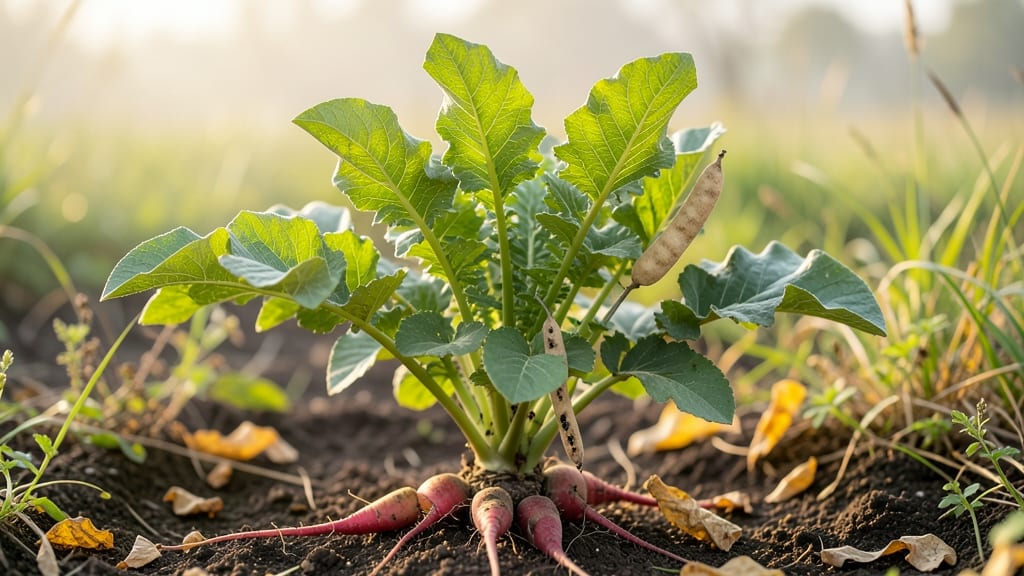
Saving radish seeds from those papery pods means next year's harvest starts now. 🌱 I used to toss them after harvest—until I realized how easy it is to save seeds from radish plants, turning last year's scraps into this year's starters.
The process is simpler than it looks: let pods dry on the plant, then clean and store them properly. You'll end up with seeds that germinate just as reliably as store-bought ones, but with the added bonus of saving money and growing exactly the varieties you love.
By mid-summer, you'll have dry pods full of seeds ready for storage. Just keep them cool and dry, and they'll stay viable for years—perfect for gardeners who want to preserve heirloom varieties or cut costs. This method works for any radish variety, from quick-growing cherry bells to larger daikons.
Let's get those pods drying properly!
📚 In This Guide
- What you need
- Instructions
- Tips and common mistakes
- Wrapping up and next steps
What you need
- ● Radish seeds: Choose heirloom or open-pollinated varieties (e.g., Cherry Belle, French Breakfast) for reliable seed production. Buy 1-2 packets (50-100 seeds each) to start.
- ● Potting soil or garden bed: Well-draining, nutrient-rich soil (pH 6.0-7.0). Use 10-15 gallons for container growing or prepare a 10 sq. ft. bed in-ground.
- ● Compost or fertilizer: Balanced organic fertilizer (e.g., 5-5-5) or compost tea to boost seed pod development.
- ● Watering can or hose: With a fine mist nozzle for gentle hydration.
- ● Twine or clothespins: For marking seed pods (e.g., 10-20 feet of twine or 5-10 clothespins).
- ● Hand trowel or small shovel: For transplanting seedlings.
- ● Pruning shears: To harvest seed pods cleanly.
- ● Paper bags or envelopes: For drying and storing seeds (10-15 bags, 4x6 inches each).
- ● Label markers & tags: To track varieties and harvest dates.
- ○ Optional: Row covers or mesh netting to protect pods from pests (e.g., flea beetles).
- ● Full-sun location (6+ hours/day) for optimal pod development.
- ● Patience! Radish seed pods mature in 60-90 days post-flowering.
- ● Knowledge of radish life cycle: Let some radishes bolt (flower) to produce seeds—don’t harvest all!
How to harvest radish seed pods without the stress
Skip the guesswork—here’s my foolproof method for collecting healthy seeds from your radish plants.
🌱 Step 1: Let Plants Mature Fully in the Garden
Radishes bolt (flower and go to seed) when days get longer or temperatures rise. Let the plants flower naturally—don’t harvest the edible roots once they form seed pods. The pods will swell and turn from green to brownish when ready, usually 4-6 weeks after flowering.
Watch for the first pods to dry and split open—that’s your cue to act fast. If you wait too long, seeds scatter everywhere. I pull plants when 50% of pods are dry but before they shatter completely. This ensures the best seed viability for next year.
✂️ Step 2: Harvest and Dry the Seed Pods Properly
Snip the entire plant at the base with clean scissors or pruners. Hang the stems upside down in a warm, dry, well-ventilated spot (like a garage or shed) for 2-3 weeks. This prevents mold and ensures seeds fully mature inside the pods.
I use a string tied to a hook—this keeps stems off the ground and lets air circulate. If pods start to split before drying, place them in a paper bag (not plastic) to catch falling seeds. Check daily for readiness: fully dried pods should rattle when shaken.
🪴 Step 3: Clean and Store Seeds for Next Season
Once pods are completely dry, gently crush them by hand over a clean sheet of paper or tray. Seeds will spill out easily—no need to force it. Remove any debris, chaff, or empty pods by winnowing (tossing seeds in the air and letting the breeze carry off lightweight material).
Store seeds in a cool, dry place (like a sealed envelope or jar) in a dark cupboard. Label with the variety and harvest date—radish seeds stay viable for 2-3 years if kept dry. I keep mine in a small glass jar with a tight lid to prevent moisture buildup.
💧 Step 4: Prevent Common Mistakes (I’ve Made Them All)
Don’t harvest pods when they’re still green—the seeds won’t be mature. You’ll know they’re ready when the pods turn papery and brown and the seeds inside look plump. If you miss the window, seeds may not germinate well next year.
Also, avoid harvesting in humid conditions—moisture causes mold. If pods feel damp, let them dry indoors for an extra day or two. And never store seeds in the fridge—temperature fluctuations can reduce viability.
Tips & tricks for perfect radish seed pod harvesting
Confession: I wasted years of radish seeds because I didn't know these key tricks. Here's how to save every pod without the stress.
Timing is Everything: In Step 1, those 4-6 weeks after flowering are critical. Mark your calendar when the first flowers appear—this gives you a clear countdown. I set a reminder on my phone for the 4-week mark to start checking pods daily. The moment you see the first pod split open, that's your signal to harvest within the next 2-3 days before seeds scatter everywhere.
Drying Strategy: For Step 2, I've learned that warm, dry, well-ventilated isn't just about temperature—it's about airflow. My garage works perfectly, but I add a small fan blowing gently on the hanging plants. This prevents mold while speeding up the drying process. If you don't have a garage, a sunny windowsill with good airflow works too, but check daily for moisture buildup.
Seed Viability Secret: In Step 3, when you're winnowing, don't just toss the seeds—give them a quick float test. Place seeds in a bowl of water: good seeds sink while empty or damaged ones float. This simple trick removes up to 30% of non-viable seeds, giving you a better germination rate next year. I save the floated seeds separately for compost—they still have nutritional value!
Storage Wisdom: The 2-3 years viability claim only holds if you store seeds properly. I add a tiny packet of silica gel (the kind that comes with electronics) to my seed jars to absorb any moisture. Also, write the harvest year on the jar with a permanent marker—next year's seeds might look identical to this year's, and you'll want to know which is fresher.
Pro Tips for Radish Plant Seed Pods
- Confession: I wasted years of radish seeds because I didn't know these key tricks. Here's how to save every pod witho...
- Timing is Everything: In Step 1, those 4-6 weeks after flowering are critical. Mark your calendar when the first flow...
- Drying Strategy: For Step 2, I've learned that warm, dry, well-ventilated isn't just about temperature—it's about air...
Frequently asked questions
Got questions about saving radish seed pods for next season? You’re not alone! Here are answers to the most common queries—so you can harvest like a pro and grow your own radishes year after year.
How do I know when radish pods are ready for seed collection?
Radish seed pods are ready when they turn brown and dry (like crispy paper), usually 6–8 weeks after flowering. If pods are still green or plump, wait a few more days. Overripe pods may crack—harvest them as soon as they’re dry to avoid seed loss!
Can I save seeds from radishes grown from store-bought seeds?
Yes, but with a caveat! Store-bought radishes are often hybrids (F1), meaning their seeds may not grow true to type. For reliable, heirloom-quality seeds, opt for open-pollinated varieties labeled as "seed-saving friendly." If you’re experimenting, plant extra seeds to account for variability.
What’s the best way to store radish seed pods until planting?
Store pods in a cool, dry place (like a paper envelope or jar) away from moisture. For long-term storage (1–2 years), remove seeds from pods, dry them further (3–5 days in a warm spot), then seal in an airtight container with a silica gel packet to prevent mold.
Why are my radish plants flowering but not producing seed pods?
If radishes bolt (go to flower) too early, they may not develop pods. Common causes: heat stress (radishes prefer cool weather), overcrowding, or poor soil. Try succession planting in fall or choose heat-tolerant varieties like 'French Breakfast' or 'Cherry Belle'.
What can I do with radish seed pods if I don’t want to save seeds?
Don’t toss them! Dry pods can be crushed into fertilizer (add to compost), used as ornamental decor in dried flower arrangements, or even roasted and ground into a spicy seasoning (like mustard powder). Just avoid eating them raw—they’re tough and bitter!
Can I save radish seeds in cold climates?
Yes, but act fast. Radish seeds lose viability in high humidity or freezing temps. Harvest pods before the first frost, dry them thoroughly indoors, and store in a cool, dark pantry (ideal temp: 40–50°F). Test germination yearly—if seeds don’t sprout, replace them!
Wrapping up and next steps
Growing radish plant seed pods is a rewarding way to ensure a fresh, homegrown harvest next season—without the stress of store-bought seeds!
By allowing a few radishes to bolt and mature, you’re not only extending your garden’s life cycle but also embracing a sustainable, budget-friendly practice. 🌱✨ Whether you’re a seasoned gardener or just starting out, these tips make the process simple and enjoyable.
Now that you’re equipped with the know-how, take the leap! Pick a few healthy radishes from your current crop, let nature do its magic, and soon you’ll be harvesting your own seeds. Happy gardening—and here’s to next year’s thriving radish patch! 🌟