
Lawn
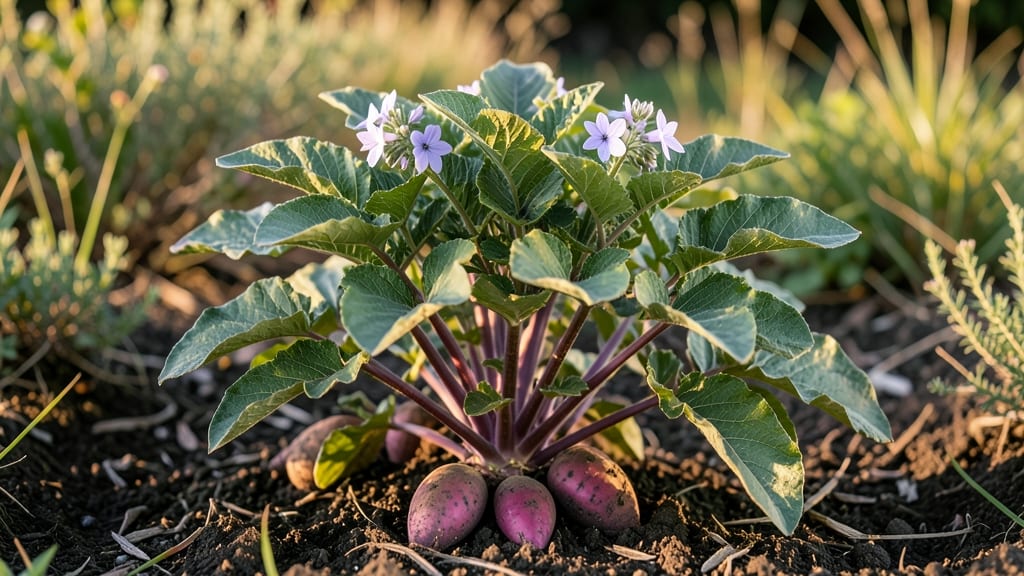
Growing Purple Viking seed potatoes means digging into a cold-hardy treasure that thrives even when other varieties fail. 🌱 These deep purple spuds aren't just pretty—they're packed with flavor and adaptability, perfect for gardeners in cooler climates who want reliable harvests.
I planted my first batch last fall, and the results were shockingly productive, with tubers forming even under snow. The secret starts with soil prep: these potatoes love well-draining, slightly acidic earth (pH 5.0-6.0) mixed with compost.
Space seed potatoes 12-15 inches apart in rows 3 feet apart—this gives their vines room to sprawl without crowding. Plant them 4 inches deep when soil reaches 40°F, and watch for those first shoots within 2-3 weeks.
They handle frost like champions, making them ideal for early spring or late fall planting. Once established, keep soil consistently moist but never soggy—1-2 inches of water per week is ideal. A light mulch of straw helps retain moisture and suppress weeds.
Purple Vikings are disease-resistant but still benefit from a balanced fertilizer (10-10-10) applied at planting and again when flowers appear. The real magic happens when you see those vibrant purple blooms—each one signals a hidden treasure below.
Harvest begins when foliage yellows, typically 90-120 days after planting, but you can dig a few test tubers as early as 70 days for baby potatoes. Store them in a cool, dark place (40-50°F) for 3-4 months—their sweet, nutty flavor only deepens over time.
Perfect for gardeners with short seasons or limited space, these spuds prove you don’t need summer heat to grow exceptional potatoes.
📚 In This Guide
- What you need
- Instructions
- Tips and common mistakes
- Wrapping up and next steps
What you need
- ● Purple Viking seed potatoes: 5–10 lbs (enough for a small to medium harvest; ~2–3 lbs per person for a family of 4). Choose certified disease-free seeds for best results.
- ● Planting containers or garden bed: Option 1: 5-gallon grow bags (2–4 bags) or large pots (12+ inches deep) with drainage holes.
- ● Option 2: Raised garden bed (at least 12" deep) or in-ground plot in a sunny, well-draining spot.
- ● High-quality potting soil or garden soil: 2–3 cubic feet per container or bed. Mix in compost (1 part compost to 3 parts soil) for nutrient-rich growth.
- ○ Organic fertilizer (optional but recommended): Balanced 5-5-5 or potato-specific fertilizer (follow package rates).
- ● Mulch: Straw or shredded leaves (1–2 inches) to insulate roots in cold weather.
- ● Garden tools: Trowel or small shovel for planting.
- ● Pruners (for harvesting or trimming foliage).
- ● Cold frames or low tunnels: Use clear plastic or greenhouse fabric to extend the growing season.
- ● Row covers or frost blankets: Protect tender shoots from late frosts (available at garden centers).
- ○ Thermometer (optional): Monitor soil temps—potatoes thrive in 45–75°F.
Step-by-step guide to growing purple Viking potatoes
Here's how to cultivate these cold-hardy, nutrient-packed tubers with minimal fuss and maximum yield.
🌱 Step 1: Chit Your Seed Potatoes Before Planting
Place your Purple Viking seed potatoes in a cool, bright spot (around 50-55°F) for 4-6 weeks before planting. I use an egg carton with the bottoms cut out—each potato gets its own compartment. The key is indirect light; direct sun will scorch the sprouts. You'll see little white or pink "eyes" emerge as the potato sends out shoots.
Once sprouts reach about ½ inch long, they're ready to plant. These chitted potatoes establish faster and produce more uniform tubers. If you forget to chit, no worries—just plant them directly, but expect a 2-3 week delay in emergence. The sprouts should be firm and green, not shriveled or mushy.
🪴 Step 2: Prepare Beds and Plant at Proper Depth
Choose a location with full sun (6-8 hours daily) and loose, well-draining soil. Purple Vikings tolerate clay but thrive in amended soil with 3-4 inches of compost worked into the top 12 inches. I like to plant in raised beds or mounds to improve drainage—they hate soggy roots.
Plant your chitted potatoes 4-6 inches deep, spacing them 12-15 inches apart in rows 30 inches apart. Place them with the sprouts facing up—this ensures they grow toward the light. Cover with soil and water gently to settle it around the tubers. The rule of thumb: plant them deep enough so new shoots emerge just below the soil surface.
☀️ Step 3: Hill Soil and Maintain Consistent Moisture
When your plants reach 6 inches tall, mound soil around the stems up to the top leaves. This process, called hilling, encourages more tuber formation and prevents greening (which makes potatoes toxic). I do this every 2-3 weeks until the plants flower—about 3-4 times total. Use a hoe to pull soil from between rows and pile it around the stems.
Water deeply 1-2 times per week, aiming for 1-1.5 inches of water each time. Purple Vikings are drought-tolerant but produce best with steady moisture. The soil should feel damp 3 inches down—if it's dry, water immediately. Avoid overhead watering to prevent disease; instead, use a soaker hose or water at the base.
✂️ Step 4: Harvest at Peak Maturity
For a fall harvest, dig when the plants flower and the foliage starts yellowing—usually 90-120 days after planting. Use a fork to gently loosen the soil around the base of the plant, then lift carefully to avoid bruising the tubers. Purple Vikings store well, so you can leave some in the ground for a winter harvest if your climate permits.
Cure your harvest by placing potatoes in a dark, cool (50-55°F) spot with 80% humidity for 1-2 weeks. This toughens the skins and improves storage life. Store in a ventilated container or mesh bag—never in plastic bags, which causes rot. With proper care, these tubers keep for 4-6 months.
Tips & tricks for growing purple Viking potatoes
These cold-hardy tubers reward attention to detail—here's how to maximize your harvest without the guesswork.
Chitting Strategy: The 4-6 week chitting period at 50-55°F is non-negotiable for optimal growth. I place my potatoes in an egg carton on my basement windowsill where they get bright but indirect light. This pre-sprouting phase jumpstarts growth by 2-3 weeks compared to planting bare potatoes. Pro tip: Rotate the carton weekly so all sprouts grow toward the light evenly—uneven sprouting leads to lopsided plants.
Soil Preparation Secret: Purple Vikings thrive in loose, well-draining soil with 3-4 inches of compost worked into the top 12 inches. I add a handful of wood ash (sparingly!) to raise pH slightly—these potatoes prefer a range of 5.0-6.5. For heavy clay soils, consider building raised beds at least 12 inches deep. The key is preventing waterlogging, which causes rot and stunts tuber formation.
Hilling Technique: When your plants reach 6 inches tall, mound soil up to the top leaves every 2-3 weeks until flowering. This isn't just about encouraging more tubers—it also prevents greening from sunlight exposure, which makes potatoes toxic. I use a hoe to pull soil from between rows, creating natural ridges that also improve drainage. The goal is to build mounds gradually so the stems aren't stressed.
Watering Wisdom: The 1-2 times per week watering guideline assumes consistent rainfall patterns. In my experience, Purple Vikings actually prefer slightly drier conditions after flowering to develop better skin sets. I check moisture by sticking my finger 3 inches down—if it's dry, I water deeply. The critical window is from planting until flowering; after that, reduce frequency slightly to prevent rot during harvest.
Pro Tips for Purple Viking Seed Potatoes
- These cold-hardy tubers reward attention to detail—here's how to maximize your harvest without the guesswork.
- Chitting Strategy: The 4-6 week chitting period at 50-55°F is non-negotiable for optimal growth. I place my potatoes ...
- Soil Preparation Secret: Purple Vikings thrive in loose, well-draining soil with 3-4 inches of compost worked into th...
Frequently asked questions
Got questions about growing purple Viking seed potatoes? You’re not alone! Here are answers to the most common queries—from planting to harvest—so you can grow these cold-hardy beauties with confidence.
What’s the best time to plant purple Viking seed potatoes?
Plant them as soon as the soil is workable—typically 2–4 weeks before your last frost date. For year-round harvests, stagger plantings every 2–3 weeks. In colder climates, they thrive even in early spring or fall!
How long does it take for purple Viking potatoes to mature?
Expect 90–120 days for full maturity, but you can harvest new potatoes (small, tender spuds) as early as 50–60 days. Check for size and skin toughness to gauge readiness.
Can I grow purple Viking potatoes in containers?
Use a 5-gallon container or larger with drainage holes. Plant 1–2 seed potatoes per pot, and ensure it gets 6+ hours of sunlight. They’re perfect for patios, balconies, or small gardens.
What pests or diseases should I watch for?
Keep an eye out for colorado potato beetles and blight (common in humid areas). Use row covers early in the season and avoid overhead watering. Crop rotation helps prevent diseases.
Are purple Viking potatoes good for roasting or mashing?
Yes! Their waxy texture makes them ideal for roasting, mashing, or even salads. The vibrant purple hue adds a pop to dishes—great for both taste and presentation.
Wrapping up and next steps
Growing Purple Viking seed potatoes is a rewarding way to enjoy cold-hardy, nutrient-rich harvests that thrive even in cooler climates. Their vibrant color and versatility in dishes make them a standout choice for gardeners and chefs alike—plus, their ability to store well means fewer trips to the grocery store! 🌱
Ready to dig in? Start by gathering your supplies, then plant with confidence knowing these spuds will deliver delicious results. Your next harvest (and tasty meals) are just a few seeds away!
- Next step: Mark your calendar, grab those potatoes, and get planting—your future meals will thank you!