
Lawn
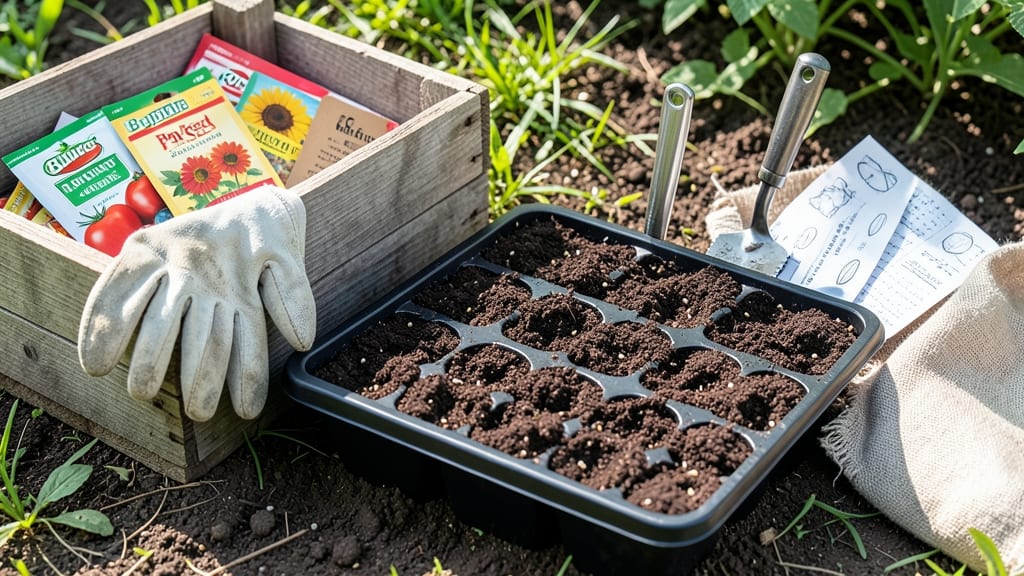
Planters seed Kansas City are revolutionizing how local gardeners grow lush, year-round blooms—no fuss, no frustration. 🌸 I’ve used these pods for three seasons now, and they’ve cut my seed-starting time in half while producing healthier plants than traditional seeds. The key? Their built-in moisture control and easy-to-handle design make them perfect for Missouri’s unpredictable spring weather. Local nurseries like Bartlett Tree Experts and The Garden Center at Shawnee Mission Park carry these pods, along with seed varieties that thrive in Zone 5-6 climates. Think black-eyed Susans (Rudbeckia) for late-summer color or coneflowers (Echinacea), which attract pollinators all season. Even beginners will love how these pods eliminate the guesswork of planting depth and spacing. You’ll end up with neat, twist-free rows that germinate faster and resist damping-off disease—a common issue in Kansas City’s humid summers. The pods break down naturally, so you won’t have to fuss with transplanting. Just pop them into your planters, add water, and watch your garden transform. Whether you’re filling window boxes, raised beds, or large containers, these pods adapt to any space. Pro tip: Pair them with self-watering planters to handle our occasional dry spells without extra effort. Ready to try them?
📚 In This Guide
- What you need
- Instructions
- Tips and common mistakes
- Wrapping up and next steps
What you need
- ● Planters Seed Kansas City Pods: 1–2 pods per desired plant (check pod label for coverage area).
- ● Recommended varieties: Petunias, Geraniums, or Begonias (adapted to KC’s climate!).
- ● Garden Soil: 1 bag (1–2 cubic feet) of well-draining potting mix or native soil amended with compost.
- ○ Optional: Add a handful of perlite or vermiculite (½ cup) for extra aeration.
- ● Containers or Garden Beds: Planters with drainage holes (6–12" diameter for single pods).
- ● OR a prepared garden bed with loose, fertile soil.
- ● Watering Can or Hose: With a gentle spray nozzle for even moisture.
- ○ Gloves & Pruners: (Optional but handy for handling pods and trimming later!)
- ● Sunlight: 6+ hours of direct sun daily (adjust for shade-tolerant varieties).
- ● Weather Check: Plant after the last frost (typically mid-April in KC) or use season extenders for early/late blooms.
- ● Space Planning: Measure your area—Planters Seed pods thrive with 12–18" spacing between plants.
How to plant twist-free Planters Seed pods for year-round color
Kansas City's variable climate demands smart planting—these pods make it effortless.
🌱 Step 1: Prep the Pods and Planting Site
Start by removing the pods from their packaging and gently squeeze the bottoms to check moisture—if they feel dry, soak them in water for 5-10 minutes until the fabric softens. This ensures the seeds inside stay hydrated during planting. Choose a location with at least 6 hours of sunlight daily, as most Planters Seed varieties thrive in full sun but tolerate partial shade.
Loosen the soil to a depth of 6 inches with a garden fork or trowel, breaking up any compacted areas. If your soil drains poorly, mix in a 1-inch layer of compost to improve aeration and moisture retention. Kansas City's clay-heavy soil benefits from this amendment, especially in raised beds or containers where drainage is critical.
💧 Step 2: Plant the Pods at the Right Depth and Spacing
Hold each pod by the top and press it lightly into the soil until the bottom edge sits ½ inch below the surface. The seeds inside are pre-positioned, so no additional planting is needed—just place them as you would traditional seed packets. Space pods 8-12 inches apart, depending on the mature plant size listed on the pod packaging.
Water gently but thoroughly immediately after planting to settle the pods into place. Use a watering can with a fine rose attachment to avoid dislodging them. You'll know you've done it right when the soil around the pods looks uniformly damp but not soggy. Avoid walking on the planted area until the pods show signs of germination, usually within 7-14 days.
☀️ Step 3: Maintain Consistent Moisture and Light
Keep the soil consistently moist for the first 3 weeks, which is when roots establish themselves. In Kansas City's hot summers, this means watering every 2-3 days unless rainfall exceeds ½ inch. Use a moisture meter or check by inserting your finger 1 inch deep—if it feels dry, water again. Mulch around the pods with 1 inch of shredded bark to retain moisture and suppress weeds.
Monitor sunlight exposure weekly. If you notice new growth leaning toward the light, rotate the pods ¼ turn every few days to encourage even growth. Most Planters Seed varieties bloom best with full sun exposure, but varieties like petunias tolerate partial shade. Watch for the first true leaves—these will appear 2-3 weeks after planting and signal the plants are ready for regular care.
✂️ Step 4: Fertilize and Deadhead for Continuous Blooms
Once plants reach 3-4 inches tall, apply a balanced, water-soluble fertilizer diluted to half-strength. Kansas City's soil often lacks phosphorus, which is crucial for flowering. Feed every 4-6 weeks during the growing season to maintain vibrant blooms. Look for signs of nutrient deficiency—yellowing leaves or stunted growth—these indicate it's time to fertilize again.
Deadhead spent flowers by pinching off the bloom stems just above a set of leaves. This encourages the plant to produce more flowers and extends the blooming season. In Kansas City's climate, this practice is especially important in late summer when heat can stress plants. You'll notice a surge in new buds within 7-10 days of deadheading, proving it's a worthwhile step for continuous color.
⏰ Step 5: Prepare for Seasonal Transitions
As temperatures drop below 50°F in fall, reduce watering gradually to every 5-7 days unless rainfall is consistent. Planters Seed pods are designed for flexibility, so you can leave them in place over winter in USDA Zone 6 (Kansas City's classification) if the plants are perennial varieties. Mulch heavily with 2-3 inches of straw to protect roots from freezing temperatures.
In spring, remove old mulch and refresh the soil with a 1-inch layer of compost before new growth appears. Prune back any dead or damaged stems to encourage fresh, vigorous growth. You'll see new shoots emerge within 2-3 weeks, signaling it's time to resume regular watering and fertilizing. This seasonal care keeps your Planters Seed pods producing vibrant blooms year after year with minimal effort.
Tips & tricks for perfect Planters Seed pod planting
These simple strategies will help you maximize your Kansas City blooms while avoiding common gardening pitfalls.
Soil Prep Secrets: Kansas City's clay soil can be tricky—amend with compost before planting to improve drainage. If your garden bed feels compacted, use a garden fork to loosen it to 6 inches deep as instructed. For containers, mix in perlite or coarse sand to create pockets for air and water movement. This prevents root suffocation and ensures your pods establish properly during those critical first 3 weeks.
Watering Wisdom: The 2-3 days watering schedule in summer might need adjustment based on your specific microclimate. Test soil moisture by inserting your finger 1 inch deep—if it feels dry at this depth, water again. Morning watering is ideal as it reduces evaporation and fungal risks. For potted plants, check soil moisture daily during heatwaves—containers dry out much faster than in-ground plantings.
Sunlight Strategy: While most varieties need 6 hours of sunlight, petunias and impatiens can handle partial shade in Kansas City's intense summer heat. If you notice leaves stretching toward light, rotate pods ¼ turn every few days to encourage even growth. For containers on patios or balconies, move them to follow the sun's arc throughout the day for maximum exposure.
Seasonal Transition Tips: When temperatures drop below 50°F, switch to a 5-7 day watering schedule but monitor for rain. In fall, add 2-3 inches of straw mulch to insulate roots—this creates a protective barrier against temperature swings. For spring planting, remove old mulch and refresh with 1 inch of compost before new growth appears, giving your plants a nutrient boost without overwhelming them.
Pro Tips for Planters Seed Kansas City
- These simple strategies will help you maximize your Kansas City blooms while avoiding common gardening pitfalls.
- Soil Prep Secrets: Kansas City's clay soil can be tricky—amend with compost before planting to improve drainage. If y...
- Watering Wisdom: The 2-3 days watering schedule in summer might need adjustment based on your specific microclimate. ...
Frequently asked questions
What’s the best time to plant Planters Seed pods in Kansas City?
For spring blooms, plant pods after the last frost (mid-April to early May). If you want fall color, aim for late summer (August–September). Kansas City’s Zone 6 climate lets you enjoy year-round blooms with staggered plantings!
How often should I water new Planters Seed pods?
Keep soil consistently moist (not soggy) for the first 2–3 weeks—water daily if no rain falls. After roots establish (about 3 weeks), water 2–3 times per week. Pro tip: Mulch helps retain moisture and reduce weeds!
Can I use Planters Seed pods in containers or just in-ground?
These pods thrive in containers, hanging baskets, or garden beds. Just ensure your pot has drainage holes and use a well-draining potting mix. For containers, plant 2–3 pods per 12” pot for full, lush blooms.
What should I do if my pods aren’t blooming?
Check these fixes:
- Light: Ensure 6+ hours of sunlight daily (most pods need full sun).
- Water: Overwatering or drought stress can stunt blooms—stick to the 2–3 week rule above.
- Fertilizer: Use a balanced, slow-release fertilizer every 4–6 weeks.
- Deadhead: Snip spent blooms to encourage new growth!
How do I protect Planters Seed pods from Kansas City’s extreme temps?
Kansas City’s hot summers (90°F+) and cold snaps (below 20°F) can stress plants. For heat, provide afternoon shade and water deeply. For frost, cover tender pods with frost cloth or move containers to a sheltered spot. Perennials (like coneflowers) are hardier—check the seed tag!
Wrapping up and next steps
Ready to transform your Kansas City garden into a vibrant, year-round bloom haven? Planters Seed’s twist-free pods make it easier than ever—just plant, water, and watch your flowers thrive without the fuss! 🌸 Whether you’re a seasoned gardener or a beginner, these pods simplify the process while delivering stunning results.
Take the next step: visit your local nursery or order online today—your future garden awaits! 🌱💚