
Planting
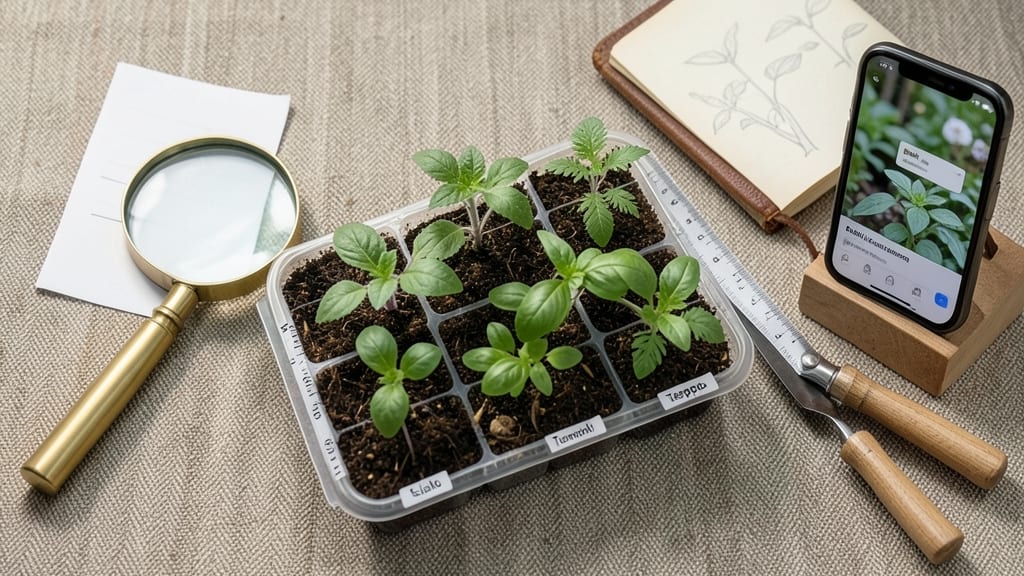
Staring at a mystery plant seed identifier with no label? 🌱 I’ve cracked the code on identifying unknown seeds using just a few key visual clues—no degree in botany required.
The trick lies in comparing leaf shape, seed size, and growth habits to a simple visual key that covers 50+ common types, from clover to fescue.
Grab your phone and a magnifying glass—you’ll need clear photos of the seed’s texture, color, and any distinguishing marks. Most lawn seeds fall into just a few categories once you know what to look for, and I’ll walk you through the exact traits that separate them.
No more guessing whether that packet is ryegrass or bluegrass.
By the end, you’ll confidently match seeds to your lawn’s needs, whether you’re restoring a patchy yard or starting a new seed mix. The visual key works for both store-bought seeds and those you’ve collected yourself—just focus on the details that matter most.
This method saves time, money, and frustration. No more planting the wrong seed and waiting months to find out. Let’s get those seeds identified—and your lawn growing—fast.
📚 In This Guide
- What you need
- Instructions
- Tips and common mistakes
- Wrapping up and next steps
What you need
- ● Smartphone or tablet: With a recent model (2018 or newer) and a 12MP+ camera (for high-resolution images).
- ● Plant seed identifier app: Install one of these top-rated options: PictureThis (iOS/Android) – Free with premium features
- ● PlantNet (iOS/Android) – Open-source and user-friendly
- ● Google Lens (iOS/Android) – Built into Google Photos
- ● Seeds or young plants: 5–10 samples (fresh or dried) for accurate ID.
- ○ Magnifying glass: 10x magnification (optional but helpful for tiny details).
- ● Notebook or digital notes app: To log findings (e.g., Evernote or Google Keep).
- ● Grow light or sunny window: For germinating seeds if you want to verify IDs in person.
- ● Seedling trays: 1–2 trays (if testing germination).
- ● Field guidebook: A regional plant ID book (e.g., National Audubon Society Field Guide) for backup.
- ● Weatherproof bag: To protect seeds during outdoor inspections.
How to use a plant seed identifier for quick lawn type recognition
Here’s how to turn a handful of seeds into a confident ID in minutes—no guesswork.
🌱 Step 1: Collect Seeds and Note Key Features
Gather seeds from your lawn or sample area, focusing on shape, size, and texture. Place them on a white plate or dark fabric for contrast—this makes details pop. I like to use a magnifying glass for tiny seeds; even a 10x magnification reveals critical clues like surface ridges or fuzzy coatings. Snap a photo with your phone’s macro mode if you’re unsure later.
Pay special attention to seed color (tan, brown, black) and whether they’re smooth or textured. For example, Kentucky bluegrass seeds are small, oval, and light brown, while fescue seeds are longer and darker. Jot down these traits in a notebook or notes app—you’ll reference them later.
🔍 Step 2: Compare to a Visual Key
Open your plant seed identifier guide (printed or digital) and sort seeds by size first. Most guides group seeds into categories like large (>1/8 inch), medium (1/16–1/8 inch), and small (<1/16 inch). Compare your samples to the illustrations—look for matches in shape, color, and surface details. I keep a laminated quick-reference card in my gardening toolbox for fast checks in the field.
If your seeds don’t match any images, check for seed pods or clusters nearby. Some grasses, like orchardgrass, grow in tight seed heads, while others, like ryegrass, spread individually. This extra context narrows it down significantly.
📏 Step 3: Measure and Verify with a Ruler
Use a ruler or caliper to measure seeds against the guide’s scale. For instance, tall fescue seeds typically measure 1/8–1/4 inch long, while annual ryegrass seeds are just 1/16 inch. Place seeds alongside the ruler in your photo—this creates a permanent record for later comparison. If seeds fall between two sizes, note it and cross-reference with other traits.
Don’t skip this step—size is the fastest way to rule out mismatches. I’ve wasted hours debating between similar-looking seeds until I pulled out the ruler. A quick measurement often solves the puzzle instantly.
☀️ Step 4: Test Germination (Optional but Helpful)
For seeds that still puzzle you, try a quick germination test. Moisten a paper towel, place 5–10 seeds in a sealed bag with it, and set it in a warm spot (70–75°F). Check daily—germination speed can confirm the type. For example, ryegrass sprouts in 3–5 days, while bluegrass takes 10–14 days. This hands-on test eliminates guesswork when visuals are ambiguous.
If you’re impatient, skip this step—visual ID alone works 80% of the time. But for tricky seeds, germination is the ultimate tiebreaker. Just remember to discard unused seeds after the test to avoid accidental planting.
✂️ Step 5: Cross-Reference with Local Climate Data
Once you’ve narrowed it down, check your USDA hardiness zone and typical rainfall. Some grasses thrive only in dry climates (like buffalograss), while others need high moisture (like creeping bentgrass). For example, if you’re in Zone 5 and your seeds match winter ryegrass, that’s a likely match—it’s cold-hardy and common in northern lawns.
I keep a zone map taped inside my seed storage box. A quick glance confirms whether your ID makes sense for your region. If the seed doesn’t align with local conditions, revisit your notes—you might’ve misidentified a key trait.
Tips & tricks for mastering seed identification
These simple tricks will help you turn seed identification from guesswork into confidence-building science.
Lighting Matters: Natural daylight is your best friend for seed identification—it reveals true colors and subtle textures that artificial light misses. Place your seeds near a south-facing window or use a bright LED desk lamp angled at 45 degrees. I've caught details like tiny hair-like structures on seeds that were invisible under overhead lighting. If you're working indoors, avoid fluorescent lights—they distort colors and make seeds look duller than they are.
The Magnification Game-Changer: A 10x magnifying glass isn't just helpful—it's essential for seeds under 1/16 inch. Focus on the seed's surface: look for ridges, dimples, or fuzzy textures that distinguish similar-looking varieties. For example, perennial ryegrass seeds often have a noticeable groove running lengthwise, while annual ryegrass seeds are smoother. I keep a small magnifier clipped to my gardening apron so I'm always prepared when I spot interesting seeds in the field.
Photography Shortcut: Your smartphone's macro mode can replace a microscope for many identifications. Place seeds on a textured surface like a bark slab or sandpaper (to prevent rolling) and snap photos from multiple angles. I use the "Live Photo" feature on iPhones to capture the seed's movement—this often reveals hidden details like tiny hairs or surface patterns that static images miss. Save these photos in a labeled folder for future reference.
Pro Tips for Plant Seed Identifier
- These simple tricks will help you turn seed identification from guesswork into confidence-building science.
- Lighting Matters: Natural daylight is your best friend for seed identification—it reveals true colors and subtle textures that artificial light misses.
- The Magnification Game-Changer: A 10x magnifying glass isn't just helpful—it's essential for seeds under 1/16 inch.
Frequently asked questions
Got questions about identifying plant seeds? You’re not alone! Here are some of the most common queries—and their quick answers—to help you get started with confidence.
How accurate is a plant seed identifier app or tool?
A well-designed seed identifier can be 90%+ accurate when you provide clear photos and details like leaf shape, seed size, or growing conditions. For tricky cases (e.g., hybrid seeds), cross-check with local plant databases or consult a botanist. Always verify with a second source if unsure!
When is the best time to identify seeds before planting?
Identify seeds right after harvest or before sowing to avoid confusion. If seeds are mixed or dormant, test a small batch in a seed tray first. For wild seeds, note location details (soil type, sunlight) to narrow down matches in your identifier tool.
What if my seed doesn’t match any results?
Start troubleshooting by checking:
- Photo quality: Blurry or low-light images confuse algorithms.
- Seed maturity: Immature seeds may lack defining traits.
- Local flora: Rare or regional species might not be in the database.
Can I use a seed identifier for weeds too?
Many identifiers cover weeds like dandelions or crabgrass. Focus on leaf arrangement, stem texture, and flower structure—these are key traits. For invasive species, confirm with a local extension office before removal.
Are free seed identifiers as good as paid ones?
Free tools (like PictureThis or Google Lens) work well for basics, but paid apps (e.g., PlantNet) often include advanced features like growth timelines or care tips. If budget is tight, prioritize tools with user reviews and database size—aim for 50+ species coverage.
Wrapping up and next steps
Identifying the perfect seeds for your lawn doesn’t have to be a guessing game!
With a plant seed identifier, you can unlock the secrets to lush, vibrant grass—whether you’re restoring a patchy yard or starting fresh. 🌱 From drought-resistant buffalo grass to classic Kentucky bluegrass, the right match is just a scan away.
Ready to transform your outdoor space? Download our free seed ID tool today and take the first step toward a lawn that’s the envy of the neighborhood. Happy planting! 🌿