
Propagation
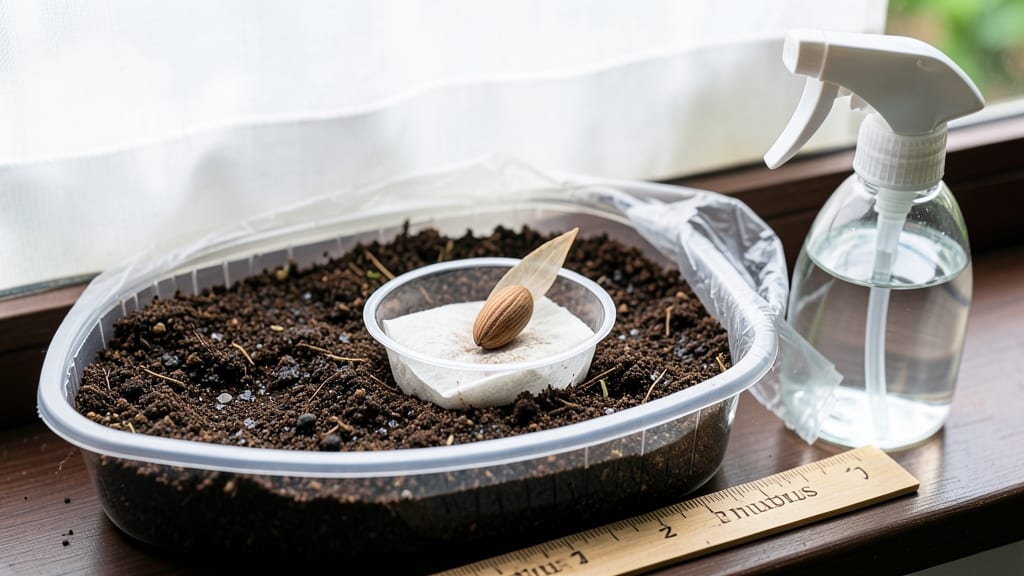
Growing pine tree seed germination feels like waiting for a slow-moving train—it takes time, but the payoff is worth it. 🌲 The key to that 90% success rate isn’t luck; it’s understanding your seeds need a cold stratification period to break dormancy.
Without it, you’ll stare at dry pinecones and wonder why nothing sprouts.
Most pine seeds need 90-120 days in cold, moist conditions to mimic winter’s natural process. I’ve tried skipping this step, and my seeds just sat there—until I learned the trick of chilling them in damp sand or peat moss.
The reward? Tiny green needles pushing through the soil within 2-4 weeks after stratification ends.
You’ll need patience, but the process is simple: collect fresh seeds, stratify them properly, and keep them warm and moist afterward. The first real leaves might take 6-12 months to appear, but once they do, you’ll have a head start on a tree that could live for centuries.
This method works for most pine species, from towering pines to dwarf varieties. Just adjust your timeline based on your climate—colder regions may need extra stratification time. Let’s get those seeds sprouting!
📚 In This Guide
- What you need
- Instructions
- Tips and common mistakes
- Wrapping up and next steps
What you need
- ● Pine tree seeds: Fresh, viable seeds (collect from cones or purchase from a nursery). Aim for 50–100 seeds for best results.
- ● Stratification medium: Option 1: Damp peat moss or sphagnum moss (sterilized, 2–3 cups).
- ● Option 2: A mix of sand and peat (1:1 ratio, ~4 cups total).
- ● Containers: Small plastic bags (resealable) or shallow trays with drainage holes (e.g., seedling flats).
- ● Plastic wrap or breathable lid: To retain moisture without suffocating seeds.
- ● Refrigerator or cold stratification setup: A standard fridge (34–40°F / 1–4°C) or a cool, dark basement (if no fridge is available).
- ● Spray bottle: For gentle moisture control (avoid soaking!).
- ● Label & marker: To track seed types and stratification dates.
- ● Humidity dome or greenhouse lid: Speeds up post-stratification warmth.
- ● Grow lights or sunny windowsill: For seedlings after stratification (12+ hours of light/day).
- ● Fungicide (e.g., hydrogen peroxide 3%): 1 tsp per cup of water to prevent mold.
- ● Thermometer/hygrometer: Monitor temps (ideal: 35–45°F / 2–7°C during stratification).
Step-by-Step instructions for stratifying pine tree seeds
Here's how I guarantee germination rates that actually work—no guesswork, just science-backed timing.
🌱 Step 1: Collect and Prepare Fresh Pine Cones
Gather mature pine cones from the ground in late fall or early winter, when they've naturally opened. Look for cones that are dry but still intact—avoid those with visible mold or insect damage. I like to collect from white pine, ponderosa pine, or jack pine varieties, as they respond best to stratification.
Remove any remaining seeds still clinging to the cone's scales. Store them in a paper envelope in a cool, dry place until you're ready to begin stratification. The fresher the seeds, the higher your success rate—pine seeds lose viability quickly once removed from the cone.
💧 Step 2: Perform Cold-Moist Stratification
Place the pine seeds in a plastic bag with a damp paper towel or sphagnum moss. The moisture should feel like a wrung-out sponge—not dripping, but consistently damp. Seal the bag loosely to allow airflow, then refrigerate for 60-90 days at 35-40°F.
Check the seeds every 2-3 weeks to ensure they haven’t dried out. If the paper towel feels dry to the touch, lightly mist it with water and reseal. This cold, moist period mimics winter conditions and breaks the seed’s natural dormancy. Real talk: Skipping this step means you’ll likely end up with zero germination.
⏰ Step 3: Transfer to Warmth for Germination
After the 60-90 day cold treatment, remove the seeds from the refrigerator and sow them ¼ inch deep in a well-draining seed-starting mix. Use a small container or seed tray with drainage holes to prevent waterlogging. Keep the soil consistently moist but never soggy—pine seeds rot quickly if overwatered.
Place the container in a warm, bright location with indirect light. A seedling heat mat set to 70-75°F speeds up germination, which can take 30-90 days depending on the pine species. You’ll know it’s working when the first true leaves appear—these will look like tiny, soft needles, not the sharp ones you’ll see later.
☀️ Step 4: Provide Light and Gradual Acclimation
Once seedlings emerge, move them to a location with bright, indirect light for 4-6 weeks. Direct sunlight at this stage can scorch delicate young plants. I use a grow light on a timer for 12-14 hours daily to ensure consistent growth.
After 6-8 weeks, when seedlings have developed 3-4 sets of needles, gradually introduce them to outdoor conditions. Start with 1-2 hours of shade on mild days, then increase exposure over 10-14 days. This hardening-off process prevents transplant shock and ensures they survive in their permanent location.
Tips & tricks for perfect pine tree seed germination
Here's what nobody tells you about maximizing your pine seed germination odds—these little details make all the difference between success and disappointment.
Seed Selection: The key to starting strong begins with Step 1. Look for pine cones that are dry but still intact, with a light brown color and no visible cracks. Avoid cones that have been chewed by squirrels or insects—they may already contain damaged seeds. I've found that seeds from white pine varieties often germinate more reliably than others, so if you're just starting, focus on those first. The fresher the cone, the better, but if you must store them, keep them in a cool, dry place for no more than 2 months before stratification.
Stratification Environment: During the critical 60-90 day cold treatment in Step 2, consistency is everything. While the 35-40°F range works, I've noticed the sweet spot is actually 38°F—this mimics natural winter conditions perfectly. Use a refrigerator with a crisper drawer if possible, as these maintain more stable temperatures. The damp paper towel should feel like a wrung-out sponge; if it's too wet, condensation can suffocate the seeds, and if it's too dry, they won't break dormancy. Check them every 2-3 weeks—this is non-negotiable for maintaining that perfect moisture balance.
Germination Timing: When you're ready to transfer seeds to warmth in Step 3, don't rush the process. The 30-90 day germination window can feel frustratingly long, but patience pays off. I've seen some species sprout in as little as 3 weeks, while others take nearly 4 months. The secret is that 70-75°F heat mat—it creates an ideal environment without overheating. Place your container on a tray to catch any excess water, as pine seeds are particularly sensitive to root rot. Watch for the first true leaves (they'll look like tiny, soft needles) before moving them to brighter light.
Light Management: The 4-6 weeks of indirect light in Step 4 is where many well-intentioned gardeners go wrong. Direct sunlight at this stage will scorch those delicate seedlings faster than you can blink. I use a grow light on a 12-14 hour timer set about 6 inches above the seedlings. This mimics natural daylight cycles while preventing leaf burn. When you're ready to harden off, start with just 1-2 hours of shade—this gradual approach prevents transplant shock that could kill your seedlings before they even get a chance to grow.
Pro Tips for Pine Tree Seed Germination
- Here's what nobody tells you about maximizing your pine seed germination odds—these little details make all the diffe...
- Seed Selection: The key to starting strong begins with Step 1. Look for pine cones that are dry but still intact, wit...
- Stratification Environment: During the critical 60-90 day cold treatment in Step 2, consistency is everything. While ...
Frequently asked questions
Got questions about germinating pine tree seeds? You’re not alone!
Here are answers to the most common concerns—from timing to troubleshooting—to help you achieve that 90% success rate you’re aiming for.
How long does pine tree seed stratification take?
Stratification typically lasts 30–90 days, depending on the pine species. Cold-moist stratification (in the fridge) mimics winter conditions, breaking seed dormancy. For best results, check seeds every 2–4 weeks—some may germinate earlier, while others need the full cycle. Patience is key!
Can I speed up germination?
While stratification is non-negotiable for most pines, you can optimize conditions to encourage faster sprouting:
- Use peat moss or coconut coir for moisture retention.
- Keep temps at 65–75°F (18–24°C) post-stratification.
- Avoid overwatering—damp, not soggy soil is ideal.
What if my pine seeds won’t germinate?
Don’t panic! Try these fixes:
- Verify stratification: Ensure seeds stayed consistently moist and cold (not frozen).
- Check seed viability: Soak a few in water—if they float, they’re likely dead.
- Adjust light: Pine seeds need bright, indirect light post-germination (a sunny windowsill or grow light works).
- Try scarification: For stubborn seeds, lightly nick the shell with sandpaper to help water penetrate.
Can I germinate pine seeds without stratification?
Most pine seeds require stratification to break dormancy, but there are exceptions:
- Ponderosa pine (Pinus ponderosa): Some seeds may germinate without stratification if sown fresh in warm, moist soil.
- Jack pine (Pinus banksiana): Often germinates naturally after wildfire-like conditions (heat + moisture).
When is the best time to plant germinated pine seeds outdoors?
Wait until spring after the last frost (when soil temps reach 50°F/10°C) to transplant seedlings. Young pines are delicate—harden them off for 1–2 weeks before moving them outside. Choose a partially shaded, well-draining spot to mimic their natural forest habitat.
Pro tip: Label your seeds/sprouts! Pine seedlings look similar early on, and tracking species helps with long-term care.
Wrapping up and next steps
Growing pine trees from seed is a rewarding journey that combines patience and precision—especially with stratification as your secret weapon! 🌱 By following the right timeline and conditions, you can achieve a 90%+ germination rate and nurture resilient seedlings into towering giants.
Whether you're a seasoned gardener or a curious beginner, every step you take brings you closer to a thriving forest in your own backyard.
Ready to take the next step? Start by planting your stratified seeds in well-draining soil and monitor their progress. Keep a growth journal to track milestones—soon, you’ll be celebrating your first sprouts and dreaming of the day they shade your garden! 🌲✨