
Lawn
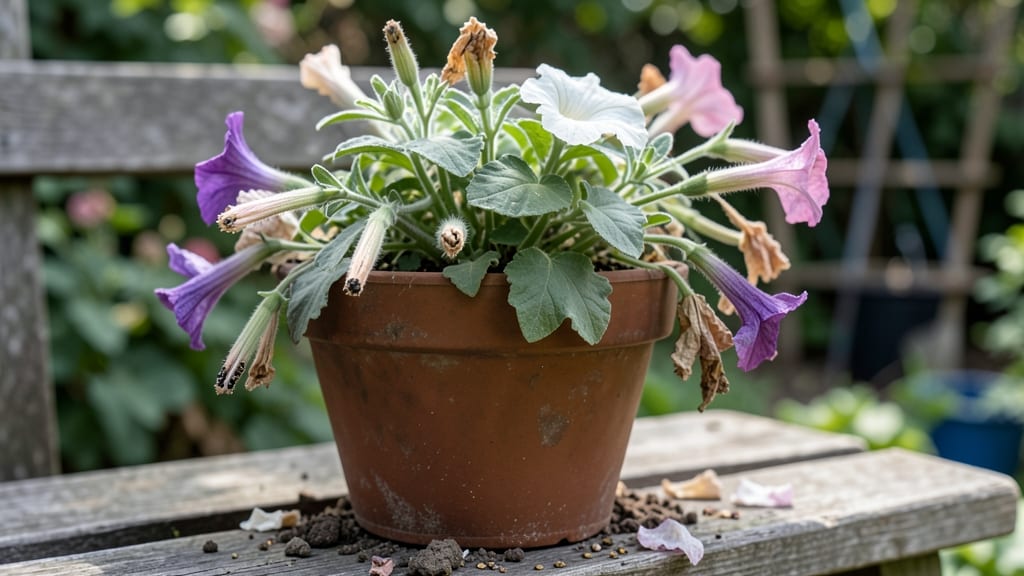
That petunia seed pods image of dried, papery pods holds the promise of next year’s boldest color explosion—if you save them the right way. 🌸 I’ve learned the hard way that letting them dry in the garden means lost seeds to wind and rain, so I developed a foolproof method to collect, store, and germinate them for vibrant blooms that outshine store-bought plants.
The secret starts with spotting the pods: they turn from green to brown and split open on their own. Grab a paper bag to catch the tiny seeds as they fall, then spread them on a tray to dry completely before storing in an envelope.
This simple step turns a one-time purchase into a self-sustaining garden treasure.
By next spring, you’ll be pinching back sturdy seedlings that produce flowers twice as big as their nursery counterparts. The best part? These heirloom varieties often outperform hybrids, giving you blooms in shades you’ll never find at garden centers.
Works for all petunia types—grandifloras, multifloras, even trailing varieties—and adapts to any climate. Here’s how to make it work without losing a single seed to the elements.
📚 In This Guide
- What you need
- Instructions
- Tips and common mistakes
- Wrapping up and next steps
What you need
- ● Mature Petunia Seed Pods: Harvest pods when they turn brown and papery (usually late summer to early fall). Aim for 5-10 pods per plant, depending on size.
- ● Pruning Shears or Sharp Scissors: 1 pair (sterilized with rubbing alcohol for hygiene).
- ● Paper Towels or Newspaper: 2-3 sheets (for drying and cleaning).
- ● Brown Paper Bags or Envelopes: 5-10 bags (1 per pod or small clusters). Use unbleached, kraft paper to prevent moisture buildup.
- ● Drying Location: A well-ventilated, dry area (e.g., a mesh bag hung indoors, a sunny windowsill, or a dehydrator set to 95-110°F). Avoid humidity!
- ● Labeling Supplies: Small tags or sticky notes + a permanent marker to label pods by variety (e.g., "Pink Cascade" or "Year Harvested").
- ● Seed Envelopes or Glass Jars: For long-term storage (add a silica gel packet to jars to absorb moisture).
- ● Dehydrator: If you have one, set it to low heat (95°F) for even drying.
- ● Camera or Smartphone: To capture petunia seed pods images for your garden journal or social media! 📸
How to harvest and dry petunia seed pods for future plantings
Preserving petunia seeds from this year’s blooms ensures next season’s vibrant, healthy flowers.
🌿 Step 1: Identify and Select Ripe Seed Pods
Wait until late summer or early fall when petunia flowers have faded and dried into papery brown husks. These are your seed pods—look for the small, swollen capsules that form where the blooms once were. Gently twist or pinch them off the stem when they’re completely dry and brittle to the touch.
Don’t rush this step. If you harvest too early, the seeds inside won’t be mature enough to germinate. A fully ripe pod will crumble easily when squeezed lightly between your fingers. Collect pods on a dry day to avoid moisture damage.
🪴 Step 2: Extract Seeds from the Pods
Place the dried pods in a clean paper bag or envelope and seal it loosely. Shake gently or roll the bag between your palms to break open the pods and release the tiny, dark seeds. You’ll see them fluttering around inside—petunia seeds are incredibly light and easy to disperse.
Spread the seeds on a flat surface like a piece of white paper or cardboard to inspect them. Healthy seeds will be dark, plump, and uniform in size. Discard any empty pods or debris that didn’t contain seeds. Store the seeds in a labeled envelope or small container.
☀️ Step 3: Dry Seeds for Long-Term Storage
Spread the extracted seeds in a single layer on a dry, breathable surface like a paper towel or mesh screen. Place them in a warm, dry spot away from direct sunlight for 1-2 weeks. This slow drying process prevents mold and ensures seed viability.
Check the seeds weekly. They’re ready for storage when they feel completely dry and crisp to the touch. If humidity is high, you may need to extend drying time. Once fully dry, transfer the seeds to a sealed envelope or airtight container with a desiccant packet to absorb any remaining moisture.
⏰ Step 4: Store Seeds Properly for Germination
Label your container with the petunia variety and the date of harvest. Store the seeds in a cool, dark place like a refrigerator or seed vault, where temperatures stay between 40-50°F. Petunia seeds can remain viable for 2-3 years under these conditions.
When you’re ready to plant, sow the seeds indoors 8-10 weeks before your last frost date. Petunias germinate best in warm soil, so use a heat mat if needed. Keep the soil consistently moist but not soggy until seedlings emerge.
Tips & tricks for perfect petunia seed pod preservation
A few simple strategies will help you maximize seed viability and save those vibrant blooms for next season.
Timing is Everything: Harvest pods only when they're completely dry and brittle—this usually happens in late summer or early fall. Check for readiness by gently squeezing a pod; if it crumbles easily, it's time. I've learned the hard way that harvesting too early means immature seeds that won't germinate.
Seed Inspection Tip: After extracting seeds, spread them on white paper to inspect under natural light. Healthy petunia seeds should be dark, plump, and uniform in size. Discard any empty pods or debris immediately—they can harbor mold that might affect your stored seeds. This step prevents future germination issues.
Drying Strategy: The 1-2 week drying period in Step 3 is crucial for preventing mold. Place seeds on a mesh screen or paper towel in a warm, dry spot away from direct sunlight. If your climate is particularly humid, extend drying time by an extra week—seeds should feel crisp to the touch before storage. I've seen mold develop when seeds weren't fully dry.
Storage Wisdom: When storing seeds at 40-50°F, use small envelopes or containers with desiccant packets to absorb any remaining moisture. Label each container with the petunia variety and harvest date—this prevents mix-ups when you're ready to plant next season. I keep mine in the refrigerator's crisper drawer for extra humidity protection.
Pro Tips for Petunia Seed Pods Image
- A few simple strategies will help you maximize seed viability and save those vibrant blooms for next season.
- Timing is Everything: Harvest pods only when they're completely dry and brittle—this usually happens in late summer or early fall.
- Seed Inspection Tip: After extracting seeds, spread them on white paper to inspect under natural light.
Frequently asked questions
Got questions about petunia seed pods? You’re not alone! Here are some common queries—and their answers—to help you master seed-saving like a pro.
Why do my petunia seed pods look weird or fail to form?
Petunia seed pods may shrivel, split, or never form if your plants lack pollination (even self-pollinating varieties need a little help) or if they’re stressed by heat, drought, or poor nutrition. Try gently shaking blooms daily or using a soft paintbrush to transfer pollen. Overcrowded plants may also divert energy away from seed production.
How long does it take for petunia seed pods to dry completely?
Drying time varies by climate, but count on 2–4 weeks indoors (in a cool, dry, well-ventilated spot like a paper bag). Check daily: pods are ready when they’re papery, brown, and easily crushed. Pro tip: Speed up drying with a fan on low!
Can I save seeds from hybrid petunias (like ‘Wave’ or ‘Supertunia’)?
Probably not! Most hybrid petunias are F1 hybrids, meaning their seeds won’t grow true to the parent plant. For reliable blooms, buy fresh seeds or save seeds from heirloom or open-pollinated varieties (like ‘Mitchell Diploid’). If you’re curious, try it anyway—you might get fun surprises!
What should I do if bugs or mold attack my seed pods?
Keep pods safe with these fixes:
- Pests: Isolate pods from plants and treat with neem oil or insecticidal soap.
- Mold: Increase airflow (try a mesh bag) and reduce humidity with a dehumidifier or silica gel packets.
- Prevention: Harvest pods before they split open to avoid inviting critters.
How do I store petunia seeds long-term without them going bad?
Seeds stay viable for 2–3 years if stored properly:
- Let pods dry fully, then crush them to release seeds.
- Store seeds in a cool (35–40°F), dark, airtight container with a desiccant packet.
- Label everything! Include the variety and date to track freshness.
Wrapping up and next steps
Saving petunia seed pods is a simple yet rewarding way to ensure next year’s garden bursts with color!
By following these steps—harvesting mature pods, drying them properly, and storing seeds carefully—you’ll have a head start on vibrant blooms. Your green thumb is all it takes to turn tiny pods into future floral magic. 🌸
Ready to level up your gardening game? Grab a notebook, mark your seed packet labels, and start planning your dream petunia patch. Happy growing—your future garden will thank you! 🌱