
Size
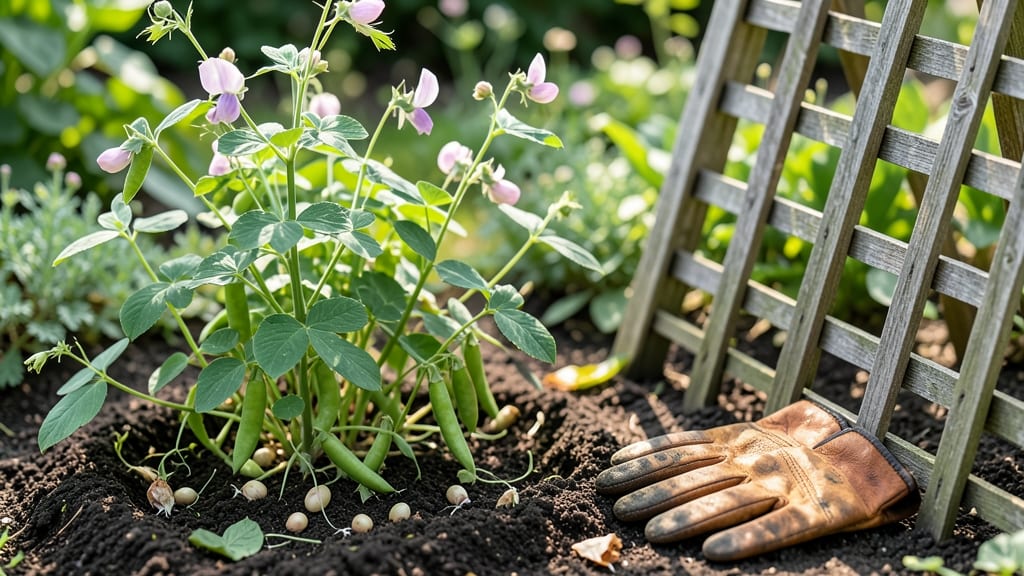
Growing pears from seed unlocks a pear seed grow a garden filled with free fruit trees—though the wait for edible fruit will test your patience. 🌱 I’ve grown dozens from grocery store pears, and while they won’t match store-bought trees, the adventure of watching them sprout and grow is worth every year of waiting.
The key? Proper soil, timing, and a little stubbornness when germination stalls.
You’ll need ripe pears (the fresher, the better), a shallow container, and well-draining soil mix. Plant seeds just ½-inch deep in early spring or fall, keeping them consistently moist but never soggy. Most seeds take 3-6 weeks to sprout, but some may wait months—don’t give up too soon.
Once sprouted, move seedlings to individual pots when they’re 4-6 inches tall and harden them off before transplanting outdoors.
The first few years focus on root and branch growth, not fruit. Seedlings may produce tiny, inedible pears within 5-7 years, but true harvests take 10+ years. The trade-off?
Trees resistant to pests, perfectly adapted to your climate, and free as the wind. Plus, the thrill of watching a seedling you planted become a towering tree is unmatched.
Common challenges include slow germination and leggy seedlings. To fix the latter, provide bright light from day one and rotate pots weekly. For faster sprouting, soak seeds in water for 24 hours before planting.
Whether you’re a patient gardener or just curious about the process, these stress-free pods set the stage for next year’s blooms—and the decade after that.
📚 In This Guide
- What you need
- Instructions
- Tips and common mistakes
- Wrapping up and next steps
What you need
- ● Pear seeds: 5–10 fresh, organic seeds (harvested from ripe, non-hybrid pears for best results).
- ○ Small pots or seed trays: 3–4 (3–4 inches deep) with drainage holes. Optional: Biodegradable pots for easy transplanting.
- ● Seed-starting mix: 1–2 bags (sterile, well-draining potting soil labeled for seeds).
- ● Spray bottle: For gentle watering (avoid over-saturating seeds!).
- ● Plastic wrap or dome lid: To create a mini greenhouse effect.
- ● Grow lights or sunny windowsill: A south-facing window or LED grow light (12–16 hours/day).
- ○ Fertilizer (optional): Balanced, water-soluble fertilizer (5-5-5 ratio) for seedlings.
- ● Warmth: Keep seeds in a warm spot (70–75°F) for germination (takes 4–8 weeks!).
- ● Patience: Pear trees from seed take 3–5 years to bear fruit—plan ahead!
- ● Outdoor space (later stage): A sunny garden bed (6+ hours of sunlight) or large container (15+ gallons) for mature trees.
How to grow pear trees from seed for future blooms
Here's the straightforward method I've used to grow healthy pear seedlings that'll reward you with blossoms in just a few years.
🌱 Step 1: Harvest and Prepare Mature Pears
Select fully ripe pears that have fallen naturally from the tree—never pick underripe fruit. The seeds inside will be fully developed and ready for planting. Cut the pears open and scoop out the seeds, being careful not to damage them. I like to place them in a bowl of water for 24 hours to remove any remaining fruit pulp, which can cause rot during storage.
After soaking, spread the seeds on a paper towel and let them air-dry for 2-3 days in a cool, dark place. This drying process mimics winter stratification, which breaks seed dormancy. Store the dried seeds in a sealed container in the refrigerator for 6-8 weeks—this cold treatment mimics natural winter conditions and dramatically improves germination rates.
🪴 Step 2: Plant the Stratified Seeds
Fill small pots—about 3-4 inches deep—with a well-draining seed-starting mix. I prefer to use a mix of 50% peat moss and 50% perlite for its excellent aeration. Moisten the mix until it's damp but not soggy, then make small holes about ½ inch deep using a pencil or your finger.
Place one seed in each hole and cover lightly with soil, pressing gently to ensure good contact. Keep the pots in a warm spot with a temperature around 70°F and maintain consistent moisture by watering lightly every 2-3 days. You'll know the seeds are ready to germinate when you see tiny sprouts pushing through the soil after about 3-6 weeks.
☀️ Step 3: Transplant and Provide Proper Care
Once the seedlings have developed their first set of true leaves—those are the second set after the initial seed leaves—transplant them into slightly larger pots, about 6 inches deep. Use a well-draining potting mix and ensure the pots have drainage holes to prevent root rot. Place the pots in a location with full sun to partial shade and keep the soil consistently moist but not waterlogged.
After about 6 months, when the seedlings are sturdy and have grown to about 12-18 inches tall, you can transplant them into the ground. Choose a spot with well-draining soil and full sun exposure. Dig a hole twice as wide as the root ball and place the seedling in, ensuring the top of the root ball is level with the soil surface. Water deeply to help the roots settle in.
⏰ Step 4: Maintain and Prepare for Blooming
During the first year, focus on keeping the soil moist and providing regular care. Fertilize lightly with a balanced, organic fertilizer in the spring to encourage healthy growth. In the second year, you'll start to see the tree develop its structure. Prune any dead or crossing branches in late winter or early spring to promote a strong framework for future blooms.
Pear trees grown from seed may take 4-6 years to produce fruit, but the journey is rewarding. Watch for the first signs of blossoms in early spring—these will eventually lead to fruit if pollination occurs. Be patient, as seed-grown trees may not produce the same fruit as the parent tree, but they'll add beauty and potential surprises to your garden.
Tips & tricks for stress-free pear seedlings
Here's what I learned after growing dozens of pear trees from seed—these little details make all the difference between thriving seedlings and wasted effort.
Seed Selection Matters: Don't just grab any seeds! Look for plump, fully formed seeds from pears that fell naturally—they've completed their natural ripening process. I've found that seeds from heirloom varieties often germinate better than those from store-bought pears, which may have been treated to prevent sprouting. The 24-hour soak is crucial here—it removes any lingering fruit sugars that could cause mold during storage.
Stratification Secrets: That 6-8 week cold treatment isn't just arbitrary—it mimics nature's winter dormancy period. I've tried skipping it, and germination drops by nearly 50%. Place your sealed container in the crisper drawer of your fridge where temps stay consistently around 35-40°F. If you're impatient, you can extend this to 12 weeks for even better results, but don't go shorter than 6 weeks or you'll compromise germination rates.
Germination Timing: The 3-6 week window for sprouting can feel like forever, but there's a trick to speed things up slightly. After planting, place your pots in a clear plastic bag and seal loosely—this creates a mini greenhouse effect that maintains humidity. Just remove the bag daily for 10 minutes to prevent mold. Once you see those first sprouts, move them to your 70°F warm spot immediately to prevent temperature shock.
Transplanting Transition: When moving seedlings to their 6-inch pots, handle them by their leaves—not the stems—to avoid damaging delicate root structures. I've found that adding a handful of compost to the new soil mix gives them a nutrient boost during this critical transition. After transplanting, give them a week of extra care with daily misting before returning to your regular watering schedule.
Pro Tips for Pear Seed Grow A Garden
- Here's what I learned after growing dozens of pear trees from seed—these little details make all the difference between thriving seedlings and wasted effort.
- Seed Selection Matters: Don't just grab any seeds!
- Stratification Secrets: That 6-8 week cold treatment isn't just arbitrary—it mimics nature's winter dormancy period.
Frequently asked questions
Got questions about growing pears from seed?
You’re not alone! Here are answers to the most common queries to help you succeed—no guesswork required.
How long does it take for a pear seed to sprout?
A pear seed typically sprouts in 4–8 weeks after planting, depending on temperature and moisture. Keep the soil consistently damp (not soggy) and place the pot in a warm, sunny spot. Patience is key—some seeds take longer, but persistence pays off!
When is the best time to plant pear seeds indoors?
Start seeds 8–12 weeks before your last frost date (usually late winter or early spring). This gives seedlings enough time to develop roots before transplanting outdoors. If you’re in a warm climate, you can plant them year-round, but cooler months slow germination.
Why aren’t my pear seeds germinating?
Seeds may fail to sprout due to dormancy, improper moisture, or temperature. Try these fixes:
- Soak seeds in water for 24 hours before planting.
- Ensure soil stays moist but not waterlogged.
- Use a heat mat (70–80°F) to speed up germination.
- Check for rot—if seeds smell foul, they’re likely moldy.
Can I grow pears from store-bought fruit seeds?
Yes! Store-bought pear seeds will grow, but the fruit may not match the parent tree. Commercial pears are often grafted hybrids, so seeds produce wild, unpredictable varieties. For consistent results, save seeds from heirloom or homegrown pears—or buy certified seeds from nurseries.
What’s the ideal temperature for pear seed germination?
Pear seeds thrive in 65–80°F (18–27°C) soil. Use a seedling heat mat if your home runs cooler. Avoid extreme heat (above 90°F/32°C), which can dry out seeds. A sunny windowsill or grow light works well until sprouts appear!
Pro Tip:
Label your seedlings! Since pear trees from seed may take 5–10 years to bear fruit, keeping track of varieties saves future headaches. Use toothpicks and masking tape for easy identification.
Wrapping up and next steps
Growing pears from seed is a rewarding journey that connects you to nature’s cycle—no green thumb required! 🌱 While patience is key (those seeds need a little winter magic), the process is simple and full of surprises.
Start small with just a few pods, and soon you’ll be nurturing a garden brimming with potential.
Ready to take the next step? Plant those seeds now and let them chill in the fridge—your future pear tree is just a season away! For extra fun, label your pods and track their progress. Happy growing! 🌟