
Propagation
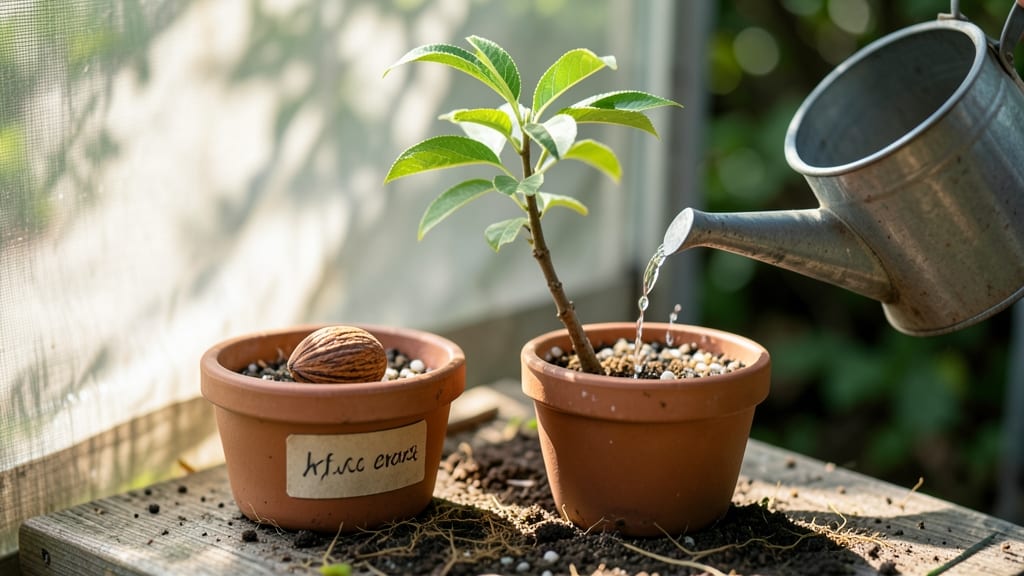
Growing a peach tree from a seed pit is the ultimate patience test—and the sweetest reward. 🌱 I’ve turned store-bought peaches into thriving saplings, but only after learning the exact tricks that break through the stubborn germination barriers most beginners hit.
The key? Mimicking nature’s timing with cold, warmth, and just the right amount of moisture.
First, you’ll need a fresh pit, a little refrigerator space, and a sunny windowsill or greenhouse. The process takes about 3-4 months from pit to sprout, with stratification (the cold treatment) being the make-or-break step.
Most people skip this and wonder why their pits never sprout—don’t make that mistake. Even if you plant 10 pits, expect only 1-3 to germinate, but those that do are worth the wait.
By spring, you’ll have a 6-inch sapling with broad leaves, ready to move into the ground. It’ll take 3-5 years before you see flowers, and another 2-3 years after that for fruit—but those first peaches?
They’ll taste like nothing you’ve ever bought. The trade-off? Seed-grown trees rarely match the parent’s flavor or size, but the adventure makes it worthwhile.
Here’s the catch: peach trees from seed are unpredictable. You might get a tree that produces small, tart fruit—or one that never fruits at all. But if you’re okay with that, this method is free, rewarding, and deeply satisfying.
Start now, and in a decade, you could be handing out peaches to neighbors who’ll ask, “How’d you grow that?”
📚 In This Guide
- What you need
- Instructions
- Tips and common mistakes
- Wrapping up and next steps
What you need
- ● Peach pit: 1 fresh, organic peach pit (avoid store-bought pits treated with fungicides).
- ● Water: Room-temperature, filtered or rainwater (sterile is best).
- ● Growing medium: 1 small pot (4-6 inches wide) with drainage holes.
- ● Potting mix: 1 part perlite or vermiculite + 2 parts well-draining soil (e.g., cactus/succulent mix).
- ● Plastic wrap or humidity dome: 1 sheet (to retain moisture).
- ● Spray bottle: 1 (for gentle watering).
- ● Scissors or knife: 1 (for cutting plastic wrap).
- ○ Seedling heat mat (optional): 1 (to maintain 70–85°F during germination).
- ● Grow lights or sunny windowsill: Access to indirect light (6+ hours/day).
- ● Fertilizer (after sprouting): Balanced liquid fertilizer (e.g., 10-10-10, diluted to half-strength).
- ● Patience & positivity! 🌟
Step-by-step guide to growing a peach tree from a seed pit
Here’s how I turn a single seed pit into a thriving peach tree—with tricks to speed up germination and boost your chances of blooms.
🌱 Step 1: Stratify the Seed Pit for Faster Germination
Peach pits need a cold period to break dormancy, just like their wild ancestors. Place the pit in a sealed plastic bag with a damp paper towel—this keeps moisture high while preventing rot. Store it in your refrigerator’s crisper drawer for 6-8 weeks. Check weekly: if the towel dries out, mist it lightly.
Here’s the thing—don’t skip this step. Without stratification, your pit might sit for months or never sprout. I’ve seen pits germinate in 3-4 weeks after cold treatment, while unstratified ones take 6+ months or fail entirely. Once the pit feels slightly soft when squeezed (but not mushy), it’s ready for planting.
💧 Step 2: Plant the Stratified Pit in a Warm, Moist Environment
Fill a small pot (3-4 inches deep) with sterile potting mix (not garden soil—it’s too dense). Make a 1-inch-deep hole in the center and place the stratified pit inside, pointy end up. Cover it with ½ inch of soil—too deep and the seedling will struggle to emerge.
Water gently until moisture seeps from the drainage hole, then place the pot in a warm spot (70-75°F). A seedling heat mat set to 75°F speeds things up, but a sunny windowsill works too. Keep the soil consistently moist (not soggy)—press your finger ½ inch deep; if it’s dry, water again.
☀️ Step 3: Provide Light and Patience for the First Sprout
Once the pit sprouts, move it to bright, indirect light immediately. A south-facing window is ideal, but supplement with a grow light if natural light is weak. You’ll see the first true leaves (not the initial seed leaves) in 4-8 weeks—this is your signal to start fertilizing lightly with half-strength balanced fertilizer every 2 weeks.
Real talk: the seedling stage is slow. Don’t rush it. I’ve had peach seedlings take 3-6 months to reach 6 inches tall, but consistency pays off. Watch for yellowing leaves—this usually means overwatering or poor drainage. Adjust your watering if the soil stays damp for more than 2 days.
🪴 Step 4: Transplant and Care for the Young Tree
After 1 year, when your seedling reaches 12-18 inches tall, transplant it into a 5-gallon pot with well-draining soil. Choose a spot with full sun (6+ hours daily) and protection from strong winds. Water deeply once a week, letting the top 2 inches of soil dry out between waterings.
This is the moment that matters: prune any branches below the graft line (if you’re grafting later) or shape the tree into a strong central leader. Mulch around the base with 2 inches of organic mulch to retain moisture and regulate soil temperature. In winter, protect young trees with burlap wraps if your zone drops below 10°F.
Tips & tricks for perfect peach tree germination
These simple strategies will help you skip the guesswork and get reliable sprouts every time.
Cold Treatment Check: After your 6-8 weeks of stratification, test the pit's readiness by gently squeezing it—it should feel slightly soft but not mushy. This is your green light to plant. I’ve seen pits that weren’t quite ready sit for months without sprouting, so don’t rush this step. If the pit still feels hard, give it another 2 weeks in the fridge.
Planting Depth Matters: That ½-inch soil coverage over your pit is critical—any deeper and the seedling will struggle to push through. Use a small stick or pencil to mark the planting depth before covering. I’ve had seedlings emerge crooked or stunted when buried too deeply, so measure carefully. The pointy end should always face up for proper orientation.
Heat Mat Hack: If your home stays below 70°F, invest in a seedling heat mat set to 75°F—it can cut your germination time by nearly half. Place the pot on the mat after planting, and you’ll often see sprouts appear in just 2-3 weeks instead of 4-6. Just remember to remove the mat once the seedling emerges to prevent overheating.
Light Transition Tip: When moving your sprout to bright indirect light in Step 3, do it gradually over 3-4 days. Sudden exposure can shock tender seedlings. Start with 2 hours of light, then increase daily. I’ve lost several seedlings to sunburn when I moved them too quickly—patience here pays off with healthier growth.
Pro Tips for Peach Tree From Seed Pit
- These simple strategies will help you skip the guesswork and get reliable sprouts every time.
- Cold Treatment Check: After your 6-8 weeks of stratification, test the pit's readiness by gently squeezing it—it shou...
- Planting Depth Matters: That ½-inch soil coverage over your pit is critical—any deeper and the seedling will struggle...
Frequently asked questions
Got questions about growing a peach tree from a seed pit? You’re not alone—this method takes patience and know-how! Here are answers to the most common queries to help you succeed.
How long does it take for a peach seed to sprout?
A peach seed typically sprouts in 4–12 weeks under ideal conditions (warmth, moisture, and darkness). Some seeds take longer—don’t give up if nothing happens in 3 months! Cold stratification (chilling) can speed up germination for seeds that resist sprouting.
Can I plant the seed directly in the ground?
While possible, direct outdoor planting is risky—peach seeds need warmth and protection to germinate. Instead, start indoors in a pot with moist soil or a damp paper towel for better control. Once sprouted, transplant seedlings outdoors after the last frost when they’re sturdy.
Will my seed-grown peach tree produce fruit?
Probably not the same peach you ate! Seed-grown trees are not true to type—they may produce small, tart, or even inedible fruit. For reliable peaches, graft a known variety onto your seedling later. Patience pays off for future orchard potential!
What if my seed rots or molds?
Rotting or mold means too much moisture or poor airflow. If this happens:
- Rinse the seed gently with hydrogen peroxide (3%) to disinfect.
- Let it dry completely before replanting.
- Use sterile potting mix next time to prevent fungal issues.
How do I care for a young peach seedling?
Keep seedlings in bright, indirect light (no direct sun yet!) and water when the top inch of soil feels dry. Once outdoors, protect them from pests like aphids and deer. Feed with a balanced fertilizer (10-10-10) in spring to encourage strong growth.
Wrapping up and next steps
Growing a peach tree from a seed pit is a rewarding journey that blends patience with the joy of nurturing life! 🌱 With the right techniques—like proper stratification, moisture control, and a sunny spot—you’ll soon see those first tender sprouts and dream of future blooms.
Remember, even if not every seed succeeds, each attempt teaches you more about nature’s magic.
Ready to turn your kitchen scraps into a flourishing tree? Start with a few more pits today! Share your progress with fellow gardeners, and who knows—next year, you might just be the one gifting homegrown peaches to neighbors. Happy planting! 🌿✨