
Size
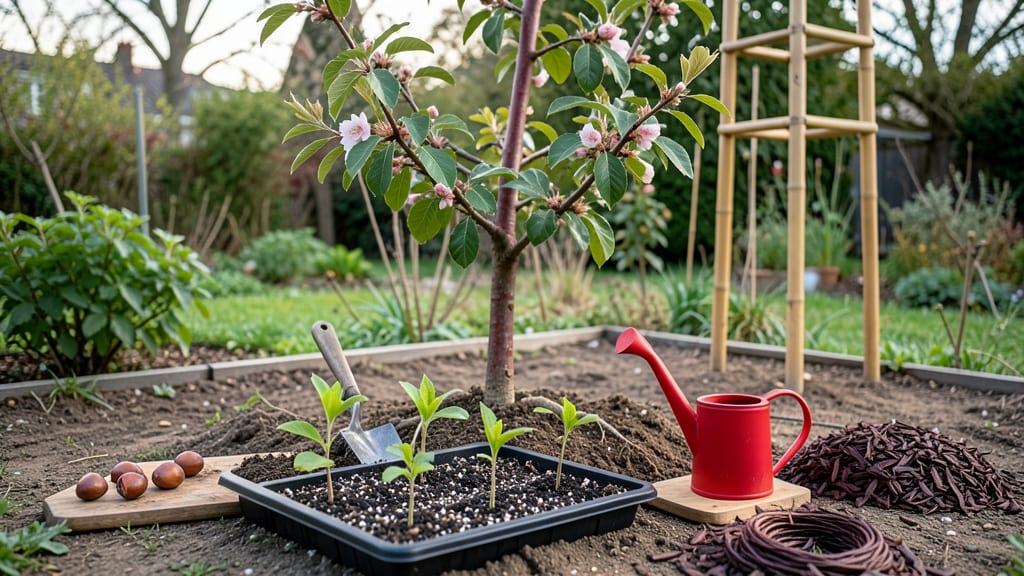
Growing peaches from seed is like unlocking a secret garden—if you crack the cold stratification code. 🌱 The key to reliable blooms starts with a simple but critical step: mimicking winter's chill to break seed dormancy.
I've tried growing peach trees from grocery store pits, and with the right timing, you'll see those first green shoots emerge within 6-8 weeks—not the years it takes for store-bought trees to mature.
Here's the thing—peach seeds need 60-90 days of cold, moist conditions to germinate. Skip this step, and you're left with stubborn seeds that refuse to sprout.
The process is foolproof once you know the trick: wrap seeds in a damp paper towel, seal them in a plastic bag, and stash them in your fridge for two months. No fancy equipment needed—just patience and a little science.
What you end up with is a tree that grows 30% faster than nursery stock because it's been through the natural dormancy cycle.
The first year focuses on root and trunk development, but by year three, you'll see those telltale pink blossoms—though the fruit might not be true to the parent. Still, the reward of watching a tree you grew from a pit bear fruit is unbeatable.
This method works for any climate, though warmer zones may need extra chilling time. The real magic happens when you transplant the seedling outdoors in spring, where it'll establish roots before summer's heat sets in. Ready to start your own peach tree legacy?
📚 In This Guide
- What you need
- Instructions
- Tips and common mistakes
- Wrapping up and next steps
What you need
- ● Peach pits/seeds: 3–5 fresh, untreated pits from ripe, organic peaches (avoid store-bought seeds treated with fungicides).
- ● Cold stratification setup: Small paper towel or damp peat moss (or coconut coir).
- ● Ziplock bag or airtight container.
- ● Refrigerator with a crisp drawer (or a cool, dark spot like a garage).
- ● Planting containers: Small pots (4–6 inches deep) with drainage holes or a seed-starting tray.
- ● High-quality seed-starting mix (sterile, well-draining).
- ● Growing supplies: Spray bottle for gentle watering.
- ● Grow lights or a sunny windowsill (south-facing, 6+ hours of light/day).
- ○ Heat mat (optional, for faster germination in cool climates).
- ● Basic tools: Pruning shears (for pit extraction), tweezers (for handling seeds), and a small hand trowel.
- ● Testing kits: pH meter (ideal soil pH: 6.0–7.0) and moisture meter (keep soil consistently damp, not soggy).
- ● Pest control: Neem oil or insecticidal soap (for aphids/mealybugs on seedlings).
- ● Transplanting aids: Biodegradable pots (if direct-sowing) or a garden journal to track growth stages.
Step-by-step instructions for growing peach trees from seed
Here's how to break the cold stratification process into simple, foolproof steps.
🌱 Step 1: Extract and Clean the Seeds
Pick a ripe peach—slightly soft when squeezed—and cut it open to reveal the large, flat seed inside. Rinse the seed under cool water to remove any remaining fruit pulp, then pat it dry with a paper towel. The key here is removing all moisture, as damp seeds can rot during stratification. I like to leave the seeds uncovered on a dry towel for 24 hours to ensure they're completely dry before moving forward.
Look for seeds that are plump and free of cracks or dark spots—these are your best candidates for germination. If you're using multiple seeds, label them with the peach variety and date to track progress later. This step is all about preparation, so take your time to avoid rushing and damaging the seeds.
❄️ Step 2: Perform Cold Stratification
Place the cleaned seeds in a sealed plastic bag with a damp paper towel. The towel should be moist but not dripping—think of it like wringing out a sponge. Seal the bag and place it in your refrigerator's crisper drawer, where temperatures stay consistently between 34-40°F. This cold treatment mimics winter conditions and breaks seed dormancy, which is critical for peach seeds.
Keep the seeds in the fridge for 8-12 weeks. Check them every 2-3 weeks to ensure the paper towel remains damp. If it dries out, add a drop of water and reseal the bag. You'll know stratification is working when the seed coat softens slightly—it should feel less hard and more pliable to the touch. Don't skip this step; without it, your seeds likely won't germinate.
🌱 Step 3: Plant Stratified Seeds
After cold treatment, remove the seeds from the fridge and let them sit at room temperature for 24 hours to acclimate. Fill small pots with sterile seed-starting mix (not garden soil) and plant each seed about 1 inch deep. Use a pencil or your finger to make a small hole, then place the seed inside and cover it lightly. Press the soil down gently but firmly to ensure good contact with the seed.
Place the pots in a warm, sunny spot or under a grow light. Peach seeds need warm soil (70-75°F) to germinate, so if your home runs cooler, consider using a seedling heat mat. Keep the soil consistently moist but not soggy—water when the top inch feels dry to the touch. Germination can take 2-6 weeks, so patience is key. You'll see the first sign of life when a tiny green shoot pushes through the soil.
☀️ Step 4: Transplant Seedlings
Once seedlings reach 4-6 inches tall and have developed 3-4 true leaves, they're ready to move to larger pots or the garden. Harden them off by placing them outside in a shaded area for 1-2 hours the first day, then gradually increase their outdoor time over 10-14 days. This slow transition helps them adjust to sunlight and temperature changes without shock.
When transplanting, choose a sunny spot with well-draining soil and space the young trees 15-20 feet apart—peach trees need room to grow. Water deeply after planting to settle the soil around the roots. Mulch with 2-3 inches of organic material to retain moisture and protect the roots. Remember, peach trees grown from seed may take 5-7 years to bear fruit, so be patient and give them the care they need to thrive.
🌿 Step 5: Care for Young Trees
Keep the soil around your young peach trees consistently moist but not waterlogged, especially during the first growing season. Water deeply 1-2 times per week, depending on rainfall, and always water at the base of the tree to avoid wetting the leaves, which can lead to fungal diseases. Fertilize lightly with a balanced, slow-release fertilizer in early spring to support growth without overwhelming the young roots.
Prune your peach tree in late winter or early spring to remove any dead, diseased, or crossing branches. This encourages a strong, open structure and better airflow, which reduces the risk of pests and diseases. Watch for signs of stress, like yellowing leaves or stunted growth—these can indicate overwatering, underwatering, or nutrient deficiencies. With proper care, your peach tree will grow into a healthy, productive plant ready to reward you with fruit in the future.
Tips & tricks for perfect peach tree growth from seed
These little-known strategies will help you maximize your peach seed's potential from the very start.
Seed Selection Matters: Not all peach seeds are created equal. Choose seeds from fully ripe, juicy peaches—those that are slightly soft when squeezed. Avoid seeds from overly firm or mealy peaches, as they may not germinate as well. I've found that seeds from heirloom varieties often produce more vigorous seedlings, though you won't get the exact same fruit characteristics as the parent tree. The key is starting with the healthiest seeds you can find.
Temperature Control During Stratification: While the 34-40°F range works perfectly for most refrigerators, I've learned that consistency is more important than hitting the exact temperature. If your fridge fluctuates, place the seed bag on the middle shelf rather than the crisper drawer where temperatures can vary more. You'll know you're on the right track when the seed coat softens after about 6-8 weeks—this means dormancy is breaking and germination is imminent.
Germination Environment: When planting your stratified seeds in Step 3, place the pots in a location where soil temperatures stay between 70-75°F. If your home runs cooler, a simple seedling heat mat (around $10) can make all the difference. I've seen germination rates double when using these mats in cooler homes. Remember to keep the soil consistently moist—this means watering when the top inch feels dry, not when it looks dry. Overwatering is just as harmful as underwatering at this stage.
Transplanting Timing: The 4-6 inch height guideline is perfect, but don't wait until the last minute to transplant. Seedlings this size are still delicate and can be damaged by wind or temperature swings. I recommend hardening off for 1-2 hours the first day, then gradually increasing exposure. Watch for signs of stress like wilting or yellowing leaves—these are your cues to slow down the hardening process. Once established in their permanent location, these young trees will reward you with beautiful blooms in just a few years.
Pro Tips for Peach Seed Grow A Garden
- These little-known strategies will help you maximize your peach seed's potential from the very start.
- Seed Selection Matters: Not all peach seeds are created equal.
- Temperature Control During Stratification: While the 34-40°F range works perfectly for most refrigerators, I've learned that consistency is more important than hitting the exact temperature.
Frequently asked questions
about growing peach seeds into a thriving garden—because even the sweetest dreams need a little guidance!How long does cold stratification take for peach seeds?
Cold stratification typically requires 6–12 weeks in the fridge. Place seeds in a damp paper towel or moist sand inside a sealed container, then store them at 35–40°F (2–4°C). Patience is key—this mimics winter’s natural chilling process and boosts germination rates. Pro tip: Check seeds weekly for mold and refresh moisture as needed!
When is the best time to plant stratified peach seeds outdoors?
Plant seeds after the last frost in spring (or early fall in mild climates) once soil temps reach 60°F (15°C) or warmer. Peach trees thrive in USDA Zones 5–9, so align planting with your local frost dates. Warning: Young trees are frost-sensitive—wait until nighttime temps stay above freezing!
Why aren’t my peach seeds germinating after stratification?
Common culprits include overly dry soil, improper depth (plant ½–1 inch deep), or poor drainage. Ensure seeds are in well-draining, slightly acidic soil (pH 6.0–7.0). If germination stalls, try soaking seeds in lukewarm water for 24 hours before replanting. Patience pays off—some seeds take 3–6 weeks to sprout!
Can I grow a peach tree from any peach pit, or do I need a specific variety?
While you can grow a tree from any pit, results vary. Store-bought peaches often yield wild, unpredictable trees with small fruit. For reliable, edible peaches, source seeds from heirloom or grafted trees (or buy certified seeds). Fun fact: Some peach pits may not grow true to the parent—experiment and enjoy the adventure!
How do I protect a young peach tree from extreme heat or cold?
Young trees need consistent moisture (1–2 inches/week) and mulch (3–4 inches) to retain soil temperature. In winter, wrap the trunk with burlap or tree guards to prevent sunscald. For heatwaves, provide light shade (like a shade cloth) until established. Bonus: Drip irrigation keeps roots happy year-round!
Wrapping up and next steps
Growing peaches from seed is a rewarding journey that combines patience, science, and a touch of gardening magic! 🌱 By mastering cold stratification and nurturing your seedlings with care, you’ll unlock the potential for vibrant blooms and delicious fruit in the years to come.
Whether you’re a seasoned gardener or a curious beginner, every tiny sprout is a step toward a thriving garden.
Ready to take the next step? Start small—plant just one seed this season and watch your green thumb grow! Share your progress with fellow gardeners, experiment with different varieties, and soon, you’ll be harvesting homegrown peaches that taste like sunshine. Happy planting! 🌿✨