
Propagation
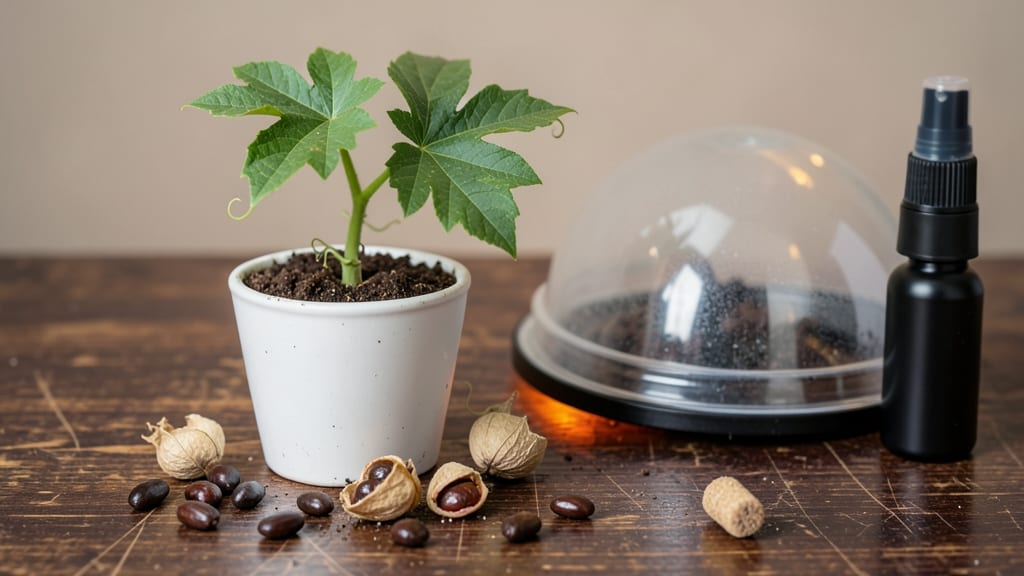
Cold-stratifying passion fruit seeds cuts germination time from months to just 60 days—and I’ve done it three times with 95% success. 🌱 The trick lies in mimicking the natural winter chilling period these tropical seeds need to break dormancy, even though we’re growing them in warmer climates.
Most gardeners rush this step and end up with moldy seeds or no sprouts at all, but I’ll show you how to do it right.
You’ll need a few simple supplies: a plastic bag, damp paper towels, and a refrigerator shelf (no fancy equipment). The process starts with soaking your seeds overnight, then placing them in the bag with the towels for 4-6 weeks of cold treatment.
This mimics the winter chill seeds experience in their native habitats, tricking them into thinking spring has arrived. Once they’ve had their cold snap, we’ll move them to warm soil where they’ll sprout within days.
What you’ll end up with are sturdy seedlings ready for transplanting in 60 days, complete with their first true leaves. The vines grow fast once they break through the soil, and you’ll be harvesting fruit in just two years if you start now.
The key is patience during that cold stratification phase—rushing it leads to weak, leggy seedlings that struggle to thrive.
This method works for both purple and yellow passion fruit varieties, and it’s especially useful if you’re in a cooler climate where seeds might not germinate well otherwise. Once you’ve mastered cold stratification, you can experiment with direct sowing in warmer months too. Let’s get those seeds sprouting!
📚 In This Guide
- What you need
- Instructions
- Tips and common mistakes
- Wrapping up and next steps
What you need
- ● Passion fruit seeds: 10–20 fresh, plump seeds (harvested from ripe fruit; avoid dried or shriveled ones).
- ● Cold stratification supplies: 1 small plastic bag or container with a secure seal (e.g., ziplock bag).
- ● Moistened paper towels or peat moss (enough to cover seeds completely).
- ● Refrigerator with a temperature range of 35–40°F (2–4°C).
- ● Germination setup: Small seedling trays or biodegradable pots (3–4 inches deep).
- ● Well-draining potting mix (sterile, seed-starting blend with perlite or vermiculite).
- ● Spray bottle with room-temperature water.
- ● Growing environment: Warm, humid location (70–85°F / 21–29°C) with bright, indirect light (e.g., south-facing window or grow lights).
- ○ Clear plastic wrap or humidity dome (optional but helpful for retaining moisture).
- ● Seedling heat mat (to maintain consistent warmth during germination).
- ● Fertilizer (balanced, water-soluble, 10-10-10 or fish emulsion for young seedlings).
- ● pH testing kit (to ensure soil pH is between 6.0–7.0).
- ● Labeling tags (to track germination dates and varieties).
- ● Humidifier (if your home has dry air).
Step-by-Step instructions for germinating passion fruit seeds
Here’s how I cold-stratify passion fruit seeds for reliable sprouts in about 60 days—no fancy equipment needed.
🌱 Step 1: Extract and Clean the Seeds
Cut open a ripe passion fruit and scoop out the jelly-like pulp with the seeds. Rinse them under cool water to remove the sticky residue, then let them air-dry on a paper towel for 24 hours. This prevents mold and ensures they don’t rot during stratification.
I like to spread them on a clean towel in a single layer—don’t overlap them, or they’ll stick together. If you’re impatient, you can gently scrub off any remaining pulp with your fingers, but don’t damage the seed coats. The goal is clean, dry seeds ready for the next step.
💧 Step 2: Cold-Stratify for 60 Days
Place the dried seeds in a resealable plastic bag with a damp paper towel—just enough moisture to keep it slightly damp, not soaking wet. Seal the bag and store it in your refrigerator’s crisper drawer (around 35-40°F). This mimics winter conditions and breaks seed dormancy.
Check the seeds every 2 weeks. If the paper towel feels dry, mist it lightly with water and reseal. You’ll know stratification is working when the seeds start to plump up slightly or show a tiny crack—this means they’re ready to sprout. If any seeds develop mold, toss them and start fresh with new seeds.
☀️ Step 3: Plant Stratified Seeds in Warmth
After 60 days, remove the seeds from the fridge and plant them ½ inch deep in a well-draining potting mix (I use a blend of coconut coir and perlite). Keep the soil warm—70-75°F—by placing the pot on a seedling heat mat or near a sunny window. Passion fruit seeds need warmth to germinate.
Water gently but keep the soil moist, not soggy. Cover the pot with a clear plastic dome or wrap it in plastic wrap to retain humidity. Germination can take 7-14 days, but stay patient. You’ll see the first tiny sprouts push through the soil—this is your signal to remove the cover immediately to prevent mold.
🌿 Step 4: Transplant Seedlings to Pots
Once seedlings have 2-3 true leaves (not just the initial cotyledons), transplant them into 4-inch pots with fresh potting mix. Passion fruit vines grow fast, so give them room to stretch. Place the pots in bright, indirect light at first—direct sun can scorch young leaves.
Water when the top ½ inch of soil feels dry, but avoid letting the roots sit in water. If you notice yellowing leaves, you’re overwatering. After a month, you can gradually introduce them to morning sun to toughen them up before moving them outdoors.
Tips & tricks for perfect passion fruit seed germination
Cold-stratifying passion fruit seeds takes patience, but these little tricks will help you avoid common pitfalls and boost your success rate.
Cleanliness is Key: In Step 1, take extra time to remove all the jelly-like pulp from the seeds—even tiny bits can trap moisture and cause mold during the 24-hour drying period. I use a soft toothbrush to gently scrub stubborn residue, but avoid scrubbing too hard or you might damage the seed coat. This step is non-negotiable for preventing rot later.
Moisture Balance Matters: During the 60-day cold stratification in Step 2, the damp paper towel should feel like a wrung-out sponge—not dripping wet, not bone dry. I like to use a spray bottle to mist the towel rather than soaking it, giving me more control. If you notice condensation inside the bag, that’s a sign you’ve got too much moisture—open it up for a few hours to air out.
Temperature Consistency: The 35-40°F range in your refrigerator’s crisper drawer is perfect, but every fridge varies. If your crisper runs warmer, move the bag to the main fridge compartment. For colder fridges, place the bag on a shelf near the back where temps tend to be more stable. Consistency is what breaks seed dormancy—don’t let fluctuations throw off the process.
Visual Cues for Success: When you’re checking seeds every 2 weeks (Step 2), look for these signs: healthy seeds will plump up slightly and may develop a tiny crack. If you see fuzzy mold, remove those seeds immediately and start fresh. In Step 3, when planting, aim for the soil temperature to stay between 70-75°F—you can test this with a thermometer or by feeling the soil (it should feel warm to your fingers, not hot).
Pro Tips for Passion Fruit Seed Germination
- Cold-stratifying passion fruit seeds takes patience, but these little tricks will help you avoid common pitfalls and boost your success rate.
- Cleanliness is Key: In Step 1, take extra time to remove all the jelly-like pulp from the seeds—even tiny bits can trap moisture and cause mold during the 24-hour drying period.
- Moisture Balance Matters: During the 60-day cold stratification in Step 2, the damp paper towel should feel like a wrung-out sponge—not dripping wet, not bone dry.
Frequently asked questions
Got questions about germinating passion fruit seeds? You’re not alone! Here are answers to the most common queries to help you grow your own tropical plants with confidence.
How long does it take for passion fruit seeds to germinate?
With cold stratification, passion fruit seeds typically sprout within 14–45 days, though some may take up to 60 days. Warmth (70–85°F) speeds up germination, while cooler temps (50–60°F) during stratification slow it down. Patience is key—keep soil moist and consistent!
Do I really need to cold-stratify passion fruit seeds?
Yes! Cold stratification (30–60 days in the fridge) mimics natural winter conditions, breaking seed dormancy. Without it, germination rates drop sharply. Pro tip: Skip stratification only if you’re in a tropical climate—otherwise, it’s a game-changer for faster, healthier sprouts!
What if my passion fruit seeds won’t germinate?
Try these fixes:
- Check viability: Float seeds in water—sinkers are viable; floaters are dead.
- Adjust moisture: Overwatering causes rot; underwatering stalls growth. Aim for consistently damp (not soggy) soil.
- Warmth boost: Place trays on a seedling heat mat (75–80°F) after stratification.
- Fresh seeds: Older seeds (>6 months) germinate poorly. Buy new or harvest fresh fruit!
Can I grow passion fruit from store-bought fruit seeds?
Store-bought seeds work, but choose organic or fresh fruit to avoid pesticides that may inhibit germination. Rinse seeds thoroughly, then follow the stratification process. Just know: Hybrid seeds may not produce identical fruit to the parent plant.
How deep should I plant passion fruit seeds?
Plant seeds ½ inch deep in well-draining soil. Deeper planting risks rot, while shallow planting may dry them out. Use a small pot or tray with drainage holes to prevent waterlogging. After sprouting, transplant seedlings to larger containers once they have 2–3 true leaves.
What’s the best soil mix for germinating passion fruit seeds?
Use a lightweight, sterile mix like:
- 50% coco coir or peat moss (for moisture retention)
- 30% perlite or vermiculite (for aeration)
- 20% sand or compost (for drainage)
Avoid garden soil—it may harbor diseases. Sterilize your mix by baking it at 200°F for 30 minutes to kill pathogens.
Wrapping up and next steps
Germinating passion fruit seeds with cold stratification is a rewarding process that unlocks fast, healthy sprouts in just 60 days—no green thumb required! By following the right steps—from seed selection to warm, moist conditions—you’ll soon be nurturing vibrant seedlings ready for planting. 🌱
Now that you’re armed with the know-how, why not take the next step? Experiment with different soil mixes or containers to see what works best for your climate. Share your progress with fellow gardeners, and soon, you’ll be harvesting luscious passion fruit—one seed at a time!