
Propagation
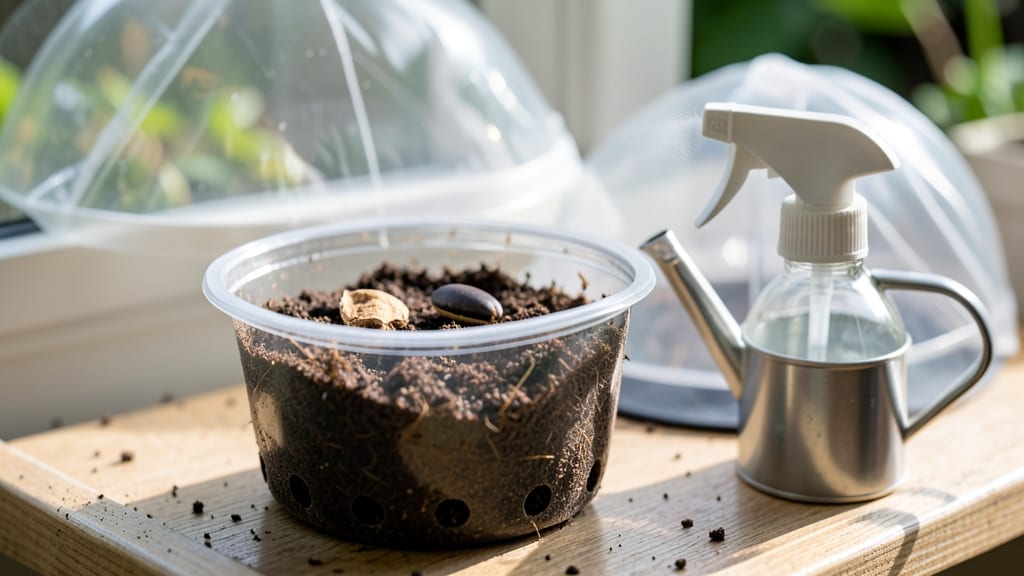
Cold stratification turns papaya seeds from stubborn to speedy—sprouts in 7 days instead of weeks. 🌱 I’ve battled slow germination with these tropical seeds for years, until I discovered the trick of chilling them first, which mimics their natural tropical forest cycle.
The key is patience and precision: too much moisture and you’ll get mold, too little and they’ll stall. But get it right, and you’ll watch those first tiny leaves unfurl faster than you’d expect.
You’ll need just three simple supplies: damp paper towels, a sealed plastic bag, and a fridge shelf. No fancy equipment—just what you already have. The process takes about 2 weeks of pre-treatment before planting, but it cuts your total germination time in half.
I’ve even used this method with seeds I’d previously given up on, and they’ve all responded beautifully once I followed the cold stratification steps.
What you’ll end up with are vigorous, healthy seedlings ready to transplant in just a few weeks. The first true leaves appear bright and glossy, a sign they’re strong and ready to handle warmer conditions.
This method also reduces the dreaded mold risk that plagues so many papaya germination attempts. Once you see that first sprout, you’ll never go back to the old way.
Works for both indoor starts and greenhouse setups, making it perfect for gardeners in cooler climates. The best part? This hack doesn’t just speed up germination—it sets your papaya plants up for stronger growth from day one. Let’s get those seeds sprouting!
📚 In This Guide
- What you need
- Instructions
- Tips and common mistakes
- Wrapping up and next steps
What you need
- ● Fresh papaya seeds: 10–20 seeds (harvested from a ripe, organic papaya 🍈—avoid store-bought seeds if possible).
- ● Paper towels or coffee filters: 2–3 sheets (for moisture retention during stratification).
- ● Plastic zip-top bags: 1–2 (quart-sized or larger, with a sealable closure).
- ● Spray bottle: 1 (with water, for gentle misting).
- ● Small container or tray: 1 (with drainage holes, for post-stratification planting).
- ● Seed-starting mix: 1 bag (lightweight, well-draining potting soil blend).
- ● Plastic wrap or clear lid: 1 (to create a mini greenhouse effect).
- ○ Thermometer (optional but helpful): 1 (to monitor cold stratification temps, ideally 40–50°F / 4–10°C).
- ● Grow lights or sunny windowsill: For consistent warmth (70–85°F / 21–29°C) after stratification.
- ● Humidity dome: 1 (to maintain moisture levels during early growth).
- ● Fertilizer (diluted): 1 (balanced, water-soluble fertilizer for seedlings, e.g., 5-5-5 NPK).
- ● Label markers: 1 (to track seed varieties or planting dates).
- ○ Heat mat (optional): 1 (speeds up germination if your space is cool).
Step-by-Step instructions for germinating papaya seeds
Here's the method I use to break dormancy and get sprouts in under 2 weeks.
🌱 Step 1: Prepare Seeds with Cold Stratification
Papaya seeds need a cold treatment to break dormancy. First, remove seeds from the fruit and rinse them thoroughly under cool water to remove any remaining pulp. Place them in a small bowl and cover with lukewarm water for 24 hours—this softens the outer coating and kickstarts hydration.
After soaking, drain the water and wrap the seeds in a damp paper towel. Fold the towel to contain them snugly, then place the wrapped seeds inside a ziplock bag. Seal it tightly to trap moisture, then refrigerate for 7-10 days. Check daily—if the towel dries out, mist it lightly with water. You'll see the seeds plump up slightly as they absorb moisture during this cold treatment.
💧 Step 2: Plant in Warm, Moist Medium
After stratification, fill a small seedling tray or individual pots with a light, airy seed-starting mix. I like to mix equal parts peat moss and perlite for fast drainage. Moisten the mix until it feels like a damp sponge—press it gently, and it should hold its shape without dripping.
Plant seeds ½ inch deep in the prepared mix, spacing them 1 inch apart if using a tray. Gently press the soil around them to ensure good contact. Place the tray in a warm spot—75-85°F is ideal. You can use a seedling heat mat if your home runs cooler. Keep the soil consistently moist by misting lightly every 2-3 days—never let it dry out completely, but avoid soggy conditions.
☀️ Step 3: Provide Warmth and Indirect Light
Papaya seeds germinate fastest in warmth, so place your tray on a heat mat or in a warm kitchen corner. You'll notice tiny sprouts pushing through the soil in 7-14 days. Once they emerge, move them to a bright spot with indirect light—direct sun can scorch delicate seedlings.
If you use a grow light, position it 4-6 inches above the seedlings and keep it on for 12-14 hours daily. Watch for leggy growth (long, thin stems)—this means the light is too far away. Strong seedlings will have thick stems and dark green leaves. Thin seedlings to 1 per pot if they crowd, using clean scissors to snip at soil level.
⏰ Step 4: Transplant When Ready
Once seedlings develop 2-3 true leaves (not the initial seed leaves), they're ready for transplanting. Harden them off by placing them outside in a shaded spot for 1-2 hours daily over 5-7 days, gradually increasing exposure. This prepares them for warmer conditions.
Choose a pot at least 6 inches deep with drainage holes, and use the same light, airy mix. Transplant carefully, keeping the root ball intact. Water thoroughly after planting, and place in a warm, sunny spot. Within weeks, you'll see rapid growth—papayas love heat and thrive when given consistent warmth and light.
Tips & tricks for faster papaya seed germination
Here’s how to give your seeds the best shot at sprouting quickly and successfully—without the guesswork.
The 24-Hour Soak Secret: That initial 24-hour lukewarm water soak isn’t just about hydration—it’s about softening the seed’s tough outer shell. I’ve found that adding a pinch of cinnamon (optional) to the water can help prevent mold while keeping the seeds moist. Stir gently once a day to avoid stagnation, and make sure the water covers the seeds completely. If you’re short on time, you can reduce this to 12 hours, but the full 24 hours gives the best results.
Cold Stratification Precision: The 7-10 days in the fridge is non-negotiable for breaking dormancy, but here’s the trick: place the ziplock bag in a sealed container with a small dish of water to maintain humidity. If your fridge is particularly dry, check the towel every 2-3 days—it should stay damp, not soggy. Pro tip: Label the bag with the date to track your 7-10 day window accurately. If you forget, don’t panic—seeds can handle up to 14 days of cold treatment, though germination may take slightly longer.
Warmth is Key for Step 2: Those 75-85°F temperatures in Step 2 are critical, but not all homes stay that warm. If your kitchen runs cooler, place the tray on a seedling heat mat (available online for under $10) or nestle it near your oven’s pilot light—just avoid direct heat. For extra warmth, cover the tray with clear plastic wrap (remove it once sprouts appear) to create a mini greenhouse effect. This helps speed up germination within the 7-14 day window.
Lighting Hacks for Step 3: If you don’t have a grow light, a bright windowsill facing east or west works well for 12-14 hours daily. Avoid south-facing windows in hot climates—direct sun can fry delicate seedlings. For leggy growth, move the light closer (down to 3-4 inches) or rotate the tray every 2-3 days so all sides get even light. Strong seedlings will have thick stems and vibrant green leaves—this is your sign you’re on the right track!
Pro Tips for Papaya Seed Germination
- Here’s how to give your seeds the best shot at sprouting quickly and successfully—without the guesswork.
- The 24-Hour Soak Secret: That initial 24-hour lukewarm water soak isn’t just about hydration—it’s about softening the seed’s tough outer shell.
- Cold Stratification Precision: The 7-10 days in the fridge is non-negotiable for breaking dormancy, but here’s the trick: place the ziplock bag in a sealed container with a small dish of water to maintain humidity.
Frequently asked questions
Got questions about germinating papaya seeds?
You’re not alone! Here are answers to common concerns—from timing to troubleshooting—to help you grow those sweet sprouts with confidence.
How long does papaya seed germination take?
With cold stratification (the hack in this guide), expect sprouts in 7–14 days. Without it, germination can take 3–6 weeks. Keep soil warm (70–85°F) and moist—patience pays off!
Can I germinate papaya seeds without cold stratification?
Yes! Skip the cold step and soak seeds in warm water for 24 hours, then plant in moist, warm soil. Germination may just be slower (weeks instead of days). For faster results, stratification is key!
Why aren’t my papaya seeds sprouting?
Try these fixes:
- Check moisture: Soil should stay damp but not soggy.
- Warmth matters: Use a heat mat if your home is chilly.
- Test viability: Soak seeds in water—sinkers are alive!
- Freshness counts: Store-bought seeds may be older; try seeds from ripe fruit.
How many seeds should I plant per pot?
Plant 2–3 seeds per pot (6+ inches deep) to increase success rates. Thin to the strongest sprout once seedlings have 2–3 true leaves. Overcrowding stresses young plants!
Can I grow papaya from seeds indoors?
Start seeds indoors in warmth-loving zones (like a sunny windowsill or grow light). Once sprouts are 6+ inches tall, transplant outdoors after frost risk passes. Papayas thrive in USDA zones 10–12—but try container growing in cooler climates!
Wrapping up and next steps
Germinating papaya seeds with cold stratification isn’t just a trick—it’s a game-changer for faster, healthier sprouts! 🌱 By following these simple steps, you’ll unlock the secret to bypassing dormancy and nurturing strong seedlings in weeks instead of months.
Whether you’re a seasoned gardener or a curious beginner, this method makes propagation effortless and rewarding.
Now that you’re armed with the know-how, why not give it a try? Grab those seeds, set up your cold stratification station, and watch your papaya plants thrive. Ready to grow? Your future harvest starts with a single seed—go plant it! 🌿