
Propagation
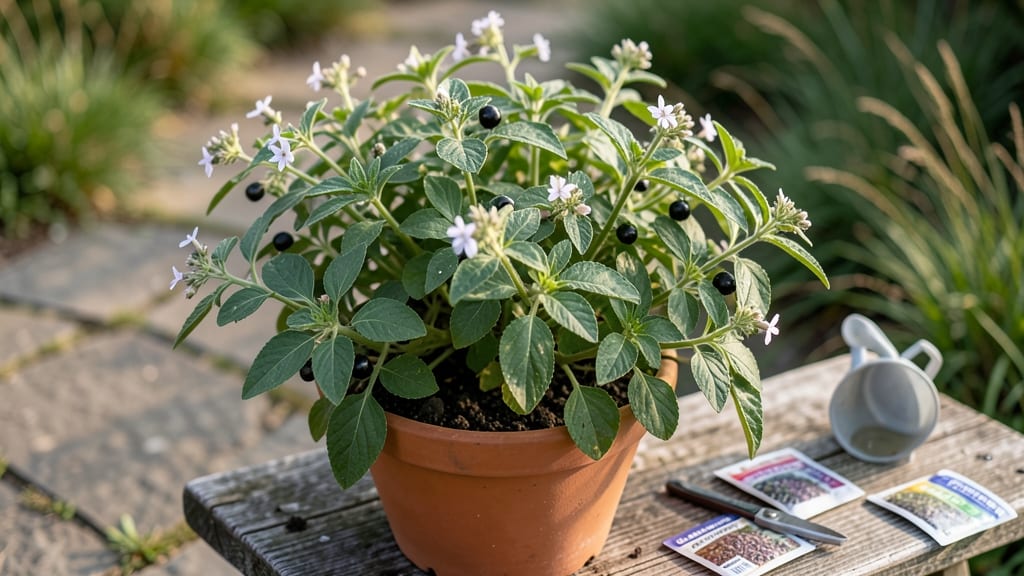
Harvesting night shade seeds—from tomatoes, peppers, and eggplants—requires waiting until they're fully mature and ripe for maximum germination success. After collection, dry them completely in a warm, dark space before storing in sealed containers. Plant these seeds in nutrient-rich, well-draining soil only after the last frost date for best results.
Night shade seeds thrive when harvested at peak maturity—look for deep color changes and slightly soft textures on the fruit. 🌱 For tomatoes, this means letting them fully ripen on the vine until they're deep red or their variety's mature hue; peppers should be fully colored and slightly wrinkled.
The drying process is critical: spread seeds on a screen in a warm, dark place for 1-2 weeks until they're bone-dry and rattle when shaken.
Proper storage in airtight containers (like glass jars with silica packets) can preserve viability for 2-4 years, though testing a few seeds annually ensures they're still potent for planting.
What sets night shade seeds apart is their sensitivity to moisture and temperature fluctuations during storage. Unlike many garden seeds, these varieties demand consistent conditions—too much humidity accelerates mold growth, while excessive heat can reduce germination rates.
I've found that storing them in the refrigerator extends their shelf life even further, though they should never freeze. The key to successful planting lies in these careful handling steps before they even reach your garden soil.
💡 In This Article
- When and How to Harvest Night Shade Seeds Properly
- Long-Term Storage Solutions for Night Shade Seeds
When and how to harvest night shade seeds properly
The key to harvesting viable night shade seeds lies in waiting for the fruit to reach its biological peak.
For tomatoes, this means letting them ripen fully on the vine until their color deepens to the variety's mature shade—think of that rich, vibrant red or yellow instead of the pale green of unripe fruit. 🌿 The texture should also yield slightly when pressed, indicating the seeds inside have fully developed.
Peppers, on the other hand, should be fully colored and show slight wrinkling on their skin, while eggplants need to turn deep purple or their mature color before harvesting.
When collecting seeds, you have two main methods: harvesting the entire fruit or carefully removing just the seed pods. For tomatoes, I recommend cutting open the ripe fruit and scooping out the gel-like seed mass along with the surrounding pulp—this preserves the natural fermentation process that helps remove seed coatings.
Place this mixture in a jar of water, stir gently, and let it ferment for 2-3 days. The good seeds will sink while the pulp and bad seeds float to the top, making separation easy. For peppers and eggplants, simply open the dried fruit and scoop out the seeds directly.
The drying process is where many gardeners make critical mistakes. Spread your cleaned seeds on a mesh screen or paper towel in a warm, dark place—ideally between 70-80°F—where they can dry evenly for 1-2 weeks.
Humidity control is crucial here: too much moisture leads to mold, while too little can cause the seeds to become brittle. Test their readiness by shaking them in a small container—they should sound dry and rattle like tiny marbles.
At this stage, they're ready for storage, but any lingering moisture will drastically reduce their viability.
Temperature and airflow during drying can't be overstated. I've found that placing a small fan nearby helps maintain consistent airflow without creating drafts that might scatter seeds. Avoid direct sunlight, which can cause uneven drying and heat damage.
The goal is to mimic the natural drying process these seeds would experience if left to dry on the plant, but in a controlled environment that speeds up the process safely. Once completely dry, the seeds should be stored immediately to prevent any moisture reabsorption from the air.
One common misconception is that all night shade seeds need the same drying time. In reality, tomato seeds typically require 7-10 days to dry properly, while pepper seeds may need 10-14 days due to their thicker seed coats. Eggplant seeds fall somewhere in between, usually needing 9-12 days.
This variation explains why some gardeners experience inconsistent germination rates—underestimating the drying time for their specific variety. Always check your seeds' readiness before storing them to ensure maximum germination potential.
What most people don't realize is how the fermentation step actually improves tomato seed viability. During those 2-3 days in water, beneficial microbes break down the gel surrounding the seeds, removing natural inhibitors that would otherwise prevent proper germination.
This natural process is why store-bought tomato seeds often have lower germination rates—they've skipped this crucial step. For peppers and eggplants, this fermentation isn't necessary as their seeds don't have these inhibitors, but the drying process remains equally critical for all night shade varieties.