
Planting
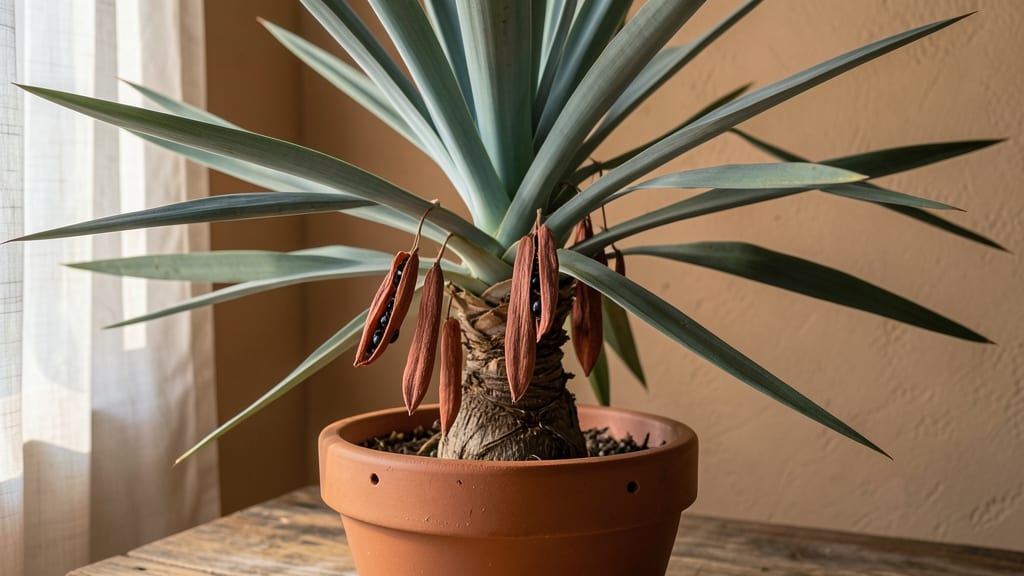
Harvesting red yucca seed pods turns a tough-looking plant into your year-round seed source. 🌱 These pods mature slowly but reliably, giving you seeds that sprout with minimal fuss—no greenhouse or special equipment needed.
The key is patience and knowing exactly when to collect them before the birds get there first. You’ll need sharp pruners, a dry paper bag, and a warm, sunny spot for drying. Once the pods turn from green to tan and start splitting open, they’re ready.
Simply twist them off the plant and let them dry completely before cracking them open—this prevents mold and ensures viable seeds. What you’ll end up with are plump, dark seeds that germinate best with a quick cold treatment.
Plant them in well-draining soil, keep it lightly moist, and you’ll see sprouts within 2-3 weeks. No fancy germination tricks required—just consistent moisture and warmth. Works for both container gardens and in-ground plantings, and the seeds stay viable for years if stored properly.
Here’s how to do it without the usual seed-starting headaches.
📚 In This Guide
- What you need
- Instructions
- Tips and common mistakes
- Wrapping up and next steps
What you need
- ● Mature red yucca plant(s) – Ensure they’ve produced seed pods (typically in late summer/fall).
- ● Sharp pruning shears or garden scissors – For cleanly snipping pods without damaging the plant.
- ● Paper bags or breathable mesh bags – 2–3 medium-sized bags (8x10 inches) to collect and dry pods.
- ● Newspaper or paper towels – For spreading pods to dry (1–2 sheets per batch).
- ● Small bowls or containers – For separating seeds from dried pods (1–2 per batch).
- ● Labeling tags & permanent marker – To mark seed varieties and harvest dates.
- ○ Air-tight seed storage containers – Small jars or envelopes with silica gel packets (optional but recommended for long-term storage).
- ● Glove – Protects hands from prickly pods (red yucca can be slightly spiky!).
- ● Fine-mesh strainer – For sifting seeds from chaff (if pods are fibrous).
- ● Desiccant packets – Extra for storage containers to prevent moisture buildup.
- ● Humidity monitor – Ensures storage conditions stay optimal (30–40% humidity ideal).
- ● Notebook – For tracking germination rates and plant performance over time.
- ● Patience – Seed pods take 4–6 weeks to fully dry indoors.
- ● Dry, well-ventilated space – A warm (70–75°F) area away from direct sunlight.
- ● Basic knowledge of seed viability – Red yucca seeds germinate best when fresh (harvest in fall for spring planting).
How to harvest red yucca seed pods for healthy new plants
Here's my foolproof method for collecting and processing red yucca seed pods—no special tools needed.
🌿 Step 1: Identify and Select Mature Seed Pods
Wait until pods turn a deep brown color and feel slightly papery to the touch—this means they're fully mature. I check plants in late summer or early fall when pods naturally dry on the stalk. Avoid green or partially dried pods; they won't contain viable seeds.
Gently twist the pod at its base until it separates cleanly from the stem. If it resists, let it dry a few more days in the sun. Never cut pods with scissors—this damages the seed chamber inside. You'll know a pod is ready when it releases seeds with just a light tug.
🪴 Step 2: Dry and Clean the Seed Pods
Spread the collected pods in a single layer on a clean, dry surface away from direct sunlight for 3-5 days. This slow drying prevents mold while allowing the pods to open naturally. I use a mesh bag or paper towel for airflow.
After drying, place pods in a paper bag and shake vigorously for 30 seconds to release seeds. Empty the contents onto a white plate—this makes it easy to spot the tiny, dark seeds against the lighter chaff. Discard any hollow pods that produced no seeds.
⏰ Step 3: Store Seeds for Spring Planting
Transfer seeds to a small envelope or airtight container with a moisture absorber like silica gel. Store in a cool, dark place (50-60°F) until spring. I label each container with the harvest date—seeds remain viable for 1-2 years if kept dry.
For best results, plant seeds immediately after stratification in late winter. Place them in a sealed bag with damp sand for 4-6 weeks in the refrigerator to mimic winter conditions. This breaks dormancy and ensures stronger germination.
🌱 Step 4: Prepare for Spring Germination
Fill seed-starting trays with well-draining cactus/succulent mix and moisten lightly. Plant seeds ¼ inch deep in small clusters, as red yucca seeds germinate slowly. Cover trays with plastic wrap to retain humidity but check daily for condensation.
Place trays in a warm spot (70-75°F) with bright, indirect light. Germination takes 4-8 weeks, so patience is key. Remove plastic wrap once sprouts appear—this prevents damping-off. Thin seedlings to 2 inches apart when they reach 1 inch tall for stronger growth.
Tips & tricks for harvesting red yucca seed pods
Took me years of trial-and-error to perfect this process—here's how to avoid the most common mistakes and get the best results every time.
Pod Maturity Check: The deep brown color and papery texture in Step 1 are your best indicators, but there's one more trick: give the pod a gentle squeeze. A mature pod will feel hollow inside with just a slight resistance—like squeezing a deflated balloon. If it feels firm or squishy, it's not ready yet. I've learned this the hard way after trying to harvest green pods that yielded no seeds.
Drying Strategy: For Step 2's 3-5 day drying period, I've found that placing pods on a screen or wire rack elevates them above any potential moisture from condensation. This prevents mold from forming while still allowing airflow. If you're in a humid climate, reduce drying time to 3 days and check daily for any signs of dampness. The key is balancing dryness with natural pod opening—don't rush this step!
Seed Separation Hack: When shaking pods in Step 2, I've discovered that using a clean white paper plate works even better than a bag. The contrast makes it easier to spot the tiny dark seeds against the lighter chaff. Pro tip: Use a soft paintbrush to gently sweep seeds into piles—this prevents losing any in the shaking process. I've saved enough seeds this way to fill multiple planting trays!
Stratification Timing: The 4-6 week cold treatment in Step 3 is crucial, but here's what nobody tells you: start your countdown from when you actually put the seeds in the fridge, not when you mix the damp sand. Many people miscalculate and end up with shorter cold exposure. I mark my calendar the day I seal the bag—this ensures the full 6 weeks even if I forget to check weekly.
Pro Tips for Red Yucca Plant Seed Pods
- Took me years of trial-and-error to perfect this process—here's how to avoid the most common mistakes and get the best results every time.
- Pod Maturity Check: The deep brown color and papery texture in Step 1 are your best indicators, but there's one more trick: give the pod a gentle squeeze.
- Drying Strategy: For Step 2's 3-5 day drying period, I've found that placing pods on a screen or wire rack elevates them above any potential moisture from condensation.
Frequently asked questions
Got questions about harvesting and working with red yucca plant seed pods? You’re not alone! Here are some of the most common queries—plus straightforward answers to keep your gardening game on point.
When is the best time to harvest red yucca seed pods?
Harvest seed pods when they turn tan or light brown and feel slightly papery to the touch—usually late fall to early winter. If left too long, pods may crack open and scatter seeds prematurely. Aim for dry, overcast days to prevent moisture-related issues.
How long does it take for red yucca seed pods to mature?
Seed pods typically mature in 6–8 weeks after flowering, depending on climate. In warmer regions, this process may speed up to 4–6 weeks. Monitor pods closely—overripe ones split easily, so act promptly!
Can I save seeds from store-bought red yucca plants?
Yes! Store-bought red yucca (Hesperaloe parviflora) seeds are viable, but cross-pollination can affect uniformity. For consistent traits, harvest from multiple plants or source seeds from a trusted nursery. Pro tip: Label pods to track parent plants!
What’s the best way to store harvested seed pods?
Store pods in a cool, dry place (like a paper bag with airflow) for 1–2 weeks to dry fully. Avoid plastic—it traps moisture and risks mold. Once dry, remove seeds and store them in an airtight container (e.g., glass jar) in the fridge for up to 2 years.
Why aren’t my red yucca seed pods producing seeds?
Common culprits: lack of pollinators (hand-pollinate with a brush), immature plants (wait until age 2–3 years), or poor growing conditions (ensure full sun and well-draining soil). If pods form but stay green, they’re not ready—patience is key!
Are red yucca seed pods edible or useful for anything else?
While the seeds aren’t edible, the fibrous pods can be used for crafts (e.g., dried arrangements) or as natural mulch. The plant itself is drought-tolerant and attracts pollinators—making it a low-maintenance, eco-friendly choice for gardens!
Wrapping up and next steps
Harvesting red yucca plant seed pods doesn’t have to be a daunting task—with the right timing and tools, you can enjoy a steady supply of viable seeds year-round! 🌱 Whether you’re a seasoned gardener or just starting out, these pods offer a rewarding way to propagate new plants or share with fellow enthusiasts.
Now that you’re armed with pro tips and answers to common questions, it’s time to put your knowledge into action.
Ready to dive in? Start by monitoring your red yucca plants for those telltale seed pods, and soon you’ll be on your way to a thriving garden full of homegrown beauty. Happy harvesting! 🌟