
Lawn
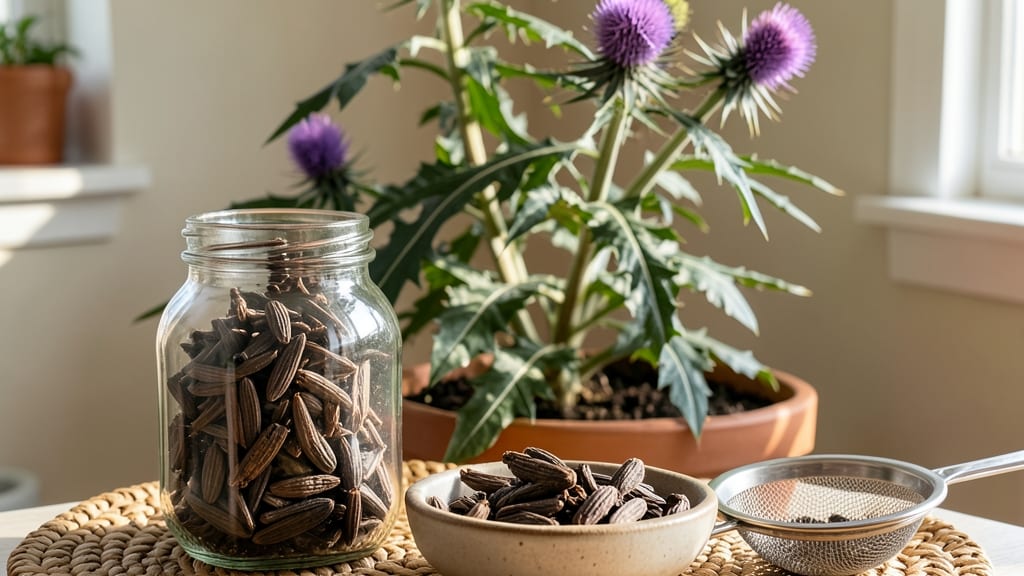
Milk thistle seed tea might sound like a strange brew, but this bitter green tea is packed with liver-loving benefits that go beyond just gut health. 🌿 I first tried it after reading about its ability to support detoxification—turns out, it’s been used for centuries in traditional medicine.
The key is growing milk thistle seeds yourself (or sourcing high-quality ones) to ensure you’re getting the full potency without additives.
Harvesting the seeds is simpler than you’d think—just let the purple flowers on milk thistle plants dry completely before collecting them. Once you’ve got them, steeping them in hot water releases silymarin, the compound linked to liver support.
The taste is strong and earthy, so start with just ½ teaspoon of seeds per cup to avoid an overwhelming bitterness.
What you’ll notice after consistent use is a noticeable difference in digestion and energy levels. Many people report feeling lighter after a few weeks, though results vary. The tea’s antioxidants also help reduce inflammation, making it a great addition to your wellness routine—especially if you’re looking for natural alternatives.
For best results, brew fresh seeds every few days instead of storing tea bags. If you’re growing your own milk thistle, plant seeds in well-draining soil and full sun—just be mindful that it can spread aggressively. A small pot works well for controlled harvesting.
📚 In This Guide
- What you need
- Instructions
- Tips and common mistakes
- Wrapping up and next steps
What you need
- ● Milk thistle seeds (Silybum marianum) – 1–2 teaspoons (3–6 grams) per cup. Opt for organic, whole seeds or pre-ground powder (if available) for maximum potency.
- ● Fresh, filtered water – 1 cup (8 oz or 240 mL) per serving. Avoid tap water if it has strong chlorine or metal tastes.
- ● Tea infuser or fine-mesh strainer – A metal or glass infuser works best to avoid plastic leaching.
- ● Small saucepan or tea kettle – For heating water to 195–205°F (90–96°C) (just below boiling).
- ○ Honey, maple syrup, or raw sugar (optional) – 1 tsp per cup, if you prefer to sweeten your brew.
- ○ Lemon slices or fresh ginger (optional) – A few drops of lemon juice or ½ tsp grated ginger can enhance flavor and digestion.
- ● Mortar and pestle – If using whole seeds, crush them lightly for better extraction (skip if using pre-ground powder).
- ○ Digital thermometer – For precise water temperature control (optional but helpful for beginners).
- ● Glass jar or airtight container – To store seeds for future batches (keep in a cool, dark place).
- ● Cinnamon stick or vanilla extract – A pinch of cinnamon or a drop of vanilla can mask milk thistle’s earthy taste.
- ○ Herbal tea blends (optional) – Pair with dandelion root or turmeric for a liver-boosting combo!
Step-by-Step instructions for brewing milk thistle seed tea
Here's how to make a soothing, liver-supporting tea that's simple yet powerful.
🌿 Step 1: Prepare and Toast the Seeds
Start with 1 tablespoon of milk thistle seeds—this is your base for a single serving. Toast the seeds in a dry skillet over medium-low heat for 2-3 minutes until they release a nutty aroma. This step enhances flavor and reduces bitterness while preserving beneficial compounds like silymarin. Stir constantly to prevent burning—burnt seeds will taste acrid and lose potency.
Once toasted, transfer the seeds to a clean bowl. Let them cool completely before proceeding. You'll notice the seeds darken slightly and smell earthy—this is your cue they're ready. If they're still hot, wait a few minutes; impatient brewing leads to bitter, harsh tea.
💧 Step 2: Steep in Hot Water
Place the toasted seeds in a 1-quart heatproof pitcher or teapot. Pour 1 cup of freshly boiled water (just off the boil at 212°F) over the seeds. Cover immediately to retain heat and steep for 10-15 minutes. The longer you steep, the stronger the liver-supporting compounds—but don't exceed 20 minutes, or the tea may become overly bitter.
Watch the water as it steeps; it should turn a pale golden hue. If you prefer a milder flavor, steep for 10 minutes. For a more robust brew, extend to 15 minutes. Stir gently once halfway through steeping to ensure even extraction of beneficial compounds.
☀️ Step 3: Strain and Sweeten (Optional)
Strain the tea through a fine-mesh sieve or cheesecloth into a clean glass or mug. Press the seeds lightly with a spoon to extract every last drop of liquid—this ensures you capture all the beneficial compounds. The strained seeds can be composted or dried for future use.
For a balanced flavor, add 1 teaspoon of raw honey or a slice of lemon to reduce bitterness. Stir well and let the tea sit for 1-2 minutes to allow flavors to meld. You'll notice the aroma becomes more complex and inviting—this is your signal the tea is ready to drink.
⏰ Step 4: Serve and Enjoy
Pour the tea into a mug and enjoy it warm, ideally in the morning or early afternoon. Sip slowly, savoring the earthy, slightly bitter notes. For best results, drink 1-2 cups daily, spaced out over the day. Store any leftover tea in the refrigerator for up to 24 hours, but reheat gently to preserve its properties.
If you find the tea too strong, dilute it with an equal part of hot water. The key is consistency—regular consumption supports liver health and digestion over time. Notice how the tea feels warming and grounding, a perfect companion to your daily routine.
Tips & tricks for perfect milk thistle seed tea
These simple yet powerful tricks will help you brew a tea that's both delicious and packed with liver-supporting benefits every time.
Toast Time Precision: In Step 1, those 2-3 minutes of toasting are crucial—they're what unlocks the earthy, nutty flavor while preserving silymarin. I've learned the hard way that going beyond 3 minutes risks burning, which turns your tea acrid rather than aromatic. Watch for that nutty aroma as your cue to stop, not the clock.
Steeping Strategy: The 10-15 minute steep in Step 2 is your flavor sweet spot, but timing matters. For a milder taste, stick with 10 minutes; for maximum liver benefits, go to 15. Here's my trick: set a timer and stir gently at the halfway mark—this ensures even extraction of those beneficial compounds without oversteeping.
Sweetening Secret: When you add that optional 1 teaspoon of raw honey in Step 3, let it sit for those full 1-2 minutes before drinking. This short wait allows the honey's enzymes to mellow the tea's bitterness while enhancing its natural sweetness. It's this small pause that transforms a medicinal drink into something truly enjoyable.
Storage Wisdom: That 24-hour fridge storage limit in Step 4 is non-negotiable for preserving potency. I store my brewed tea in a sealed glass jar, and when reheating, I only go up to 150°F—any hotter and you risk breaking down those beneficial compounds. Think of it as treating your tea like a delicate herbal remedy, which it essentially is.
Pro Tips for Milk Thistle Seed Tea
- These simple yet powerful tricks will help you brew a tea that's both delicious and packed with liver-supporting bene...
- Toast Time Precision: In Step 1, those 2-3 minutes of toasting are crucial—they're what unlocks the earthy, nutty fla...
- Steeping Strategy: The 10-15 minute steep in Step 2 is your flavor sweet spot, but timing matters. For a milder taste...
Frequently asked questions
Got questions about milk thistle seed tea?
You’re not alone! Here are some of the most common queries—plus straightforward answers to help you brew with confidence.
How long does it take for milk thistle tea to support liver health?
Consistency is key! While some people feel benefits within a few weeks, noticeable liver support typically takes 4–8 weeks of regular consumption (1–3 cups daily). Think of it like a long-term ally for your gut—patience pays off!
When’s the best time to drink milk thistle seed tea?
Morning or evening works best! Sip it first thing in the morning for an energy boost (thanks to silymarin) or before bed to aid digestion overnight. Avoid drinking it on an empty stomach if it causes mild stomach upset—pair it with a light snack like toast or fruit.
Can I use milk thistle seeds instead of tea bags?
Whole seeds work too—just crush ½–1 tsp before steeping in hot water for 10–15 minutes. For stronger flavor, try a double infusion: steep once, then reuse the seeds with fresh hot water. Pro tip: Store seeds in an airtight container to preserve potency.
What should I do if the tea tastes too bitter?
Bitter = potent, but too much can be off-putting! Balance it by:
- Adding a pinch of honey or cinnamon (both complement liver-supportive flavors).
- Mixing with ginger tea or peppermint to soften the taste.
- Steeping for shorter (5–8 mins) if bitterness is overwhelming.
Can I drink milk thistle tea if I’m on medication?
Caution is key! Milk thistle may interact with drugs like:
- Blood thinners (e.g., warfarin)
- Diabetes medications
- Immunosuppressants
Wrapping up and next steps
Incorporating milk thistle seed tea into your routine could be a simple yet powerful way to nurture your liver and gut health—nature’s way! 🌱 With its rich antioxidants and silymarin content, this bitter brew offers a gentle, science-backed boost without the harshness of synthetic supplements.
Whether you’re looking to detoxify, support digestion, or just explore a new wellness habit, this tea is a delicious starting point.
Ready to give it a try? Start small—brew a cup, savor the flavor, and listen to your body. If you’re curious about deeper benefits or recipes, dive into our FAQs or experiment with flavors to make it your own. Here’s to your health—one sip at a time! ☕✨